The Lead
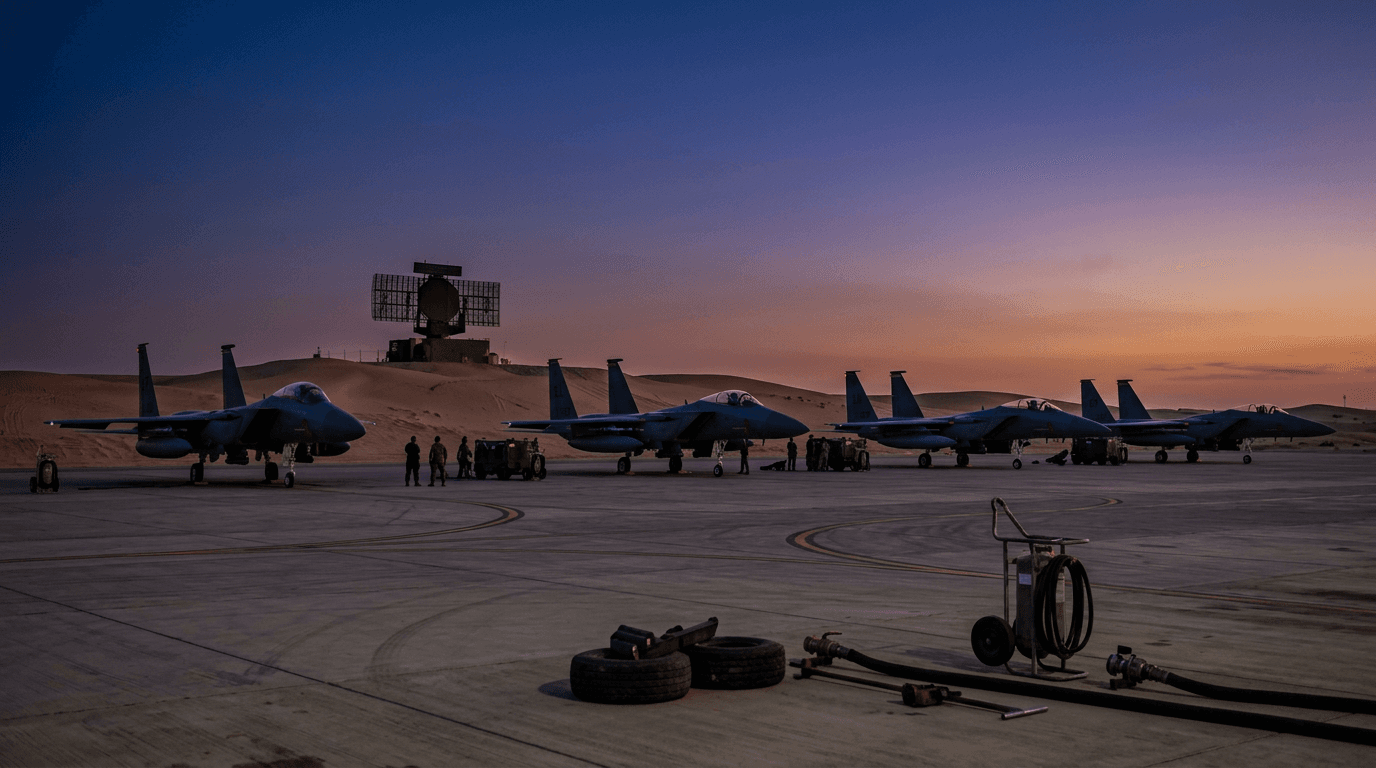
A US official confirmed Saturday that Iran launched missiles targeting the Yanbu port in Saudi Arabia, a critical oil export terminal on the Red Sea. The attack, which follows a confirmed ballistic missile strike on an American military base in the Kingdom earlier today, marks the first direct Iranian assault on Saudi territory in approximately four months. According to the official, the targeting of Yanbu appears intended to bypass the Strait of Hormuz and disrupt Saudi oil exports as regional tensions escalate into direct kinetic warfare.
Strategic Targeting of Energy Infrastructure
According to material reviewed by The Zioneer Intelligence Desk, the Iranian missile attack on the Yanbu port represents a calculated expansion of the current conflict. Yanbu serves as a vital strategic asset for Saudi Arabia, allowing the Kingdom to export crude oil via the Red Sea, thereby bypassing the volatile Strait of Hormuz. By targeting this specific terminal, Tehran appears to be attempting to squeeze Saudi Arabia's economic lifeline at a time when the Strait of Hormuz remains closed due to the ongoing war between the Islamic Republic and the United States.
Earlier on Saturday, sirens were reported in the vicinity of Yanbu and Al-Kharj, coinciding with reports of a ballistic missile launch directed at a U.S. military installation within Saudi borders. While the full extent of the damage at the port remains unconfirmed, the resumption of direct fire into Saudi territory signals a significant shift in Iranian strategy, ending a four-month period of relative restraint toward the Kingdom.
Regional Context and Escalation
The strike occurs against the backdrop of a broader state of war that has intensified throughout July 2026. Following the collapse of the 'Islamabad' memorandum, the U.S. military has conducted nightly airstrikes on Iranian strategic infrastructure, including 'missile cities' and underground facilities. Iran has responded with retaliatory barrages across the region, previously targeting U.S. and allied positions in Jordan and Kuwait. The inclusion of Saudi energy infrastructure in the target bank suggests that Tehran is no longer distinguishing between American military assets and the strategic interests of regional partners.
Analysis and Outlook
Analysts at The Zioneer note that the attack on Yanbu is likely designed to demonstrate that Saudi Arabia's alternative export routes are within reach of Iranian ballistic capabilities. This move places the Kingdom in a precarious position as it attempts to balance its role as a Western strategic partner with the risks of direct Iranian aggression. As of Saturday morning, the situation remains developing, with security officials monitoring for further launches. The international community will be watching closely to see if this escalation prompts a direct Saudi military response or further intensifies the ongoing U.S.-led operations against the Iranian regime.
6 developments
- The Zioneer Intelligence Desk
- IRGC strikes Muwaffaq Salti Air Base in Jordan; interceptions reported over Zarqa
- Iranian general gives US 48-hour ultimatum to return to diplomacy or face war
- New York City Mayor Mamdani: Netanyahu's place is in The Hague, he is holding discussions to bring about his arrest
- IRGC threatens to strike Arab leaders at home for enabling assassination of Iran's leader