The Lead
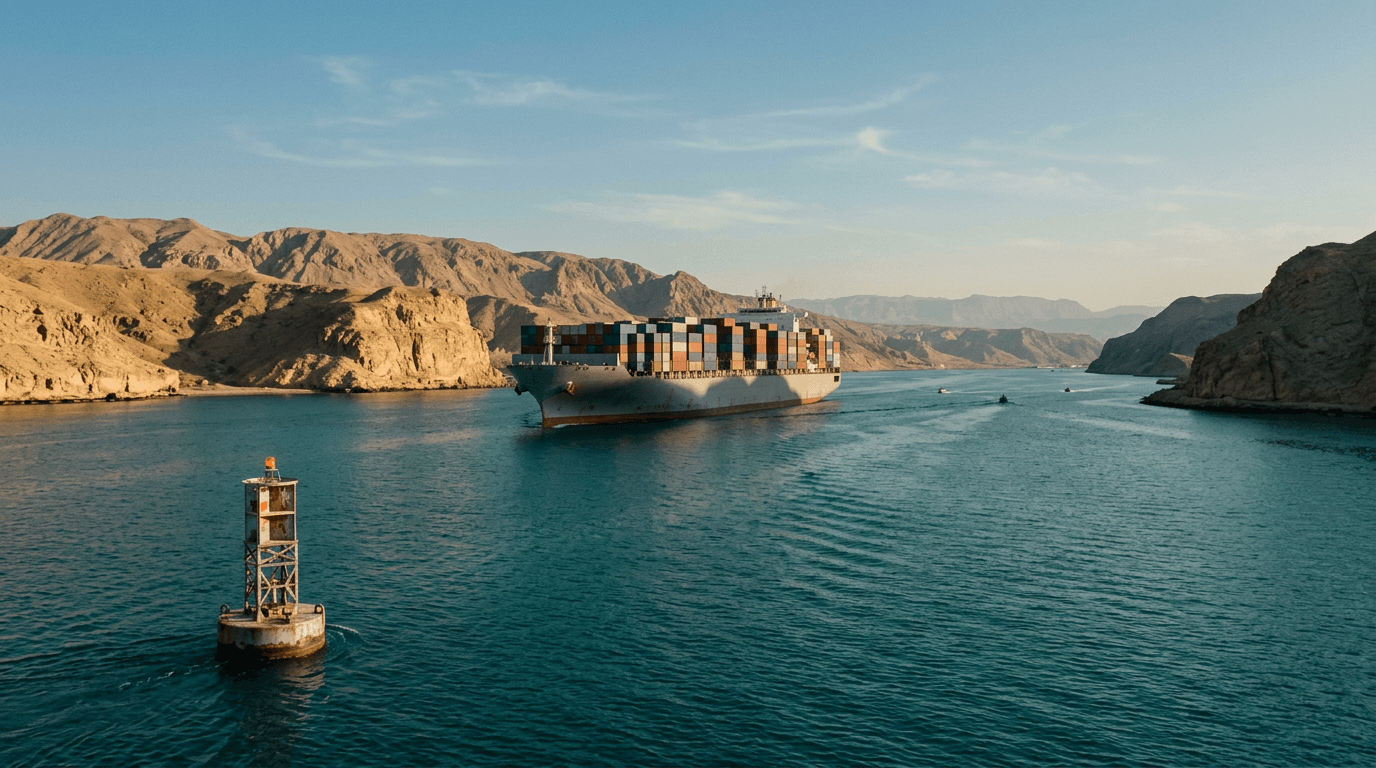
Oman has announced the establishment of a temporary maritime route through the Strait of Hormuz, coordinated with the International Maritime Organization (IMO). According to Omani state media, vessels wishing to utilize this specific lane will be required to coordinate their passage directly with the IMO to ensure safe and lawful transit through the strategic chokepoint.
The Sultanate of Oman is moving to stabilize maritime traffic in one of the world's most sensitive waterways. By establishing a temporary route in coordination with the International Maritime Organization (IMO), Muscat aims to uphold the principles of freedom of navigation as anchored in international law and the Law of the Sea. This development follows a period of heightened uncertainty regarding the status of the Strait of Hormuz, which serves as a critical artery for global energy supplies.
Legal and Strategic Context
The Omani announcement emphasizes that the move is designed to protect the right of innocent passage without the imposition of transit fees—a point of contention in recent regional discourse. The requirement for vessels to coordinate with the IMO suggests a shift toward international oversight to mitigate risks of disruption. This initiative appears to be a response to competing claims over the waterway; while international law treats the strait as an international passage, recent rhetoric from Tehran has challenged this status, with Iranian officials previously asserting that the strait constitutes shared territorial waters rather than an open international route.
Analysis and Outlook
By involving the IMO, Oman is positioning itself as a responsible steward of the strait, leaning on international institutional frameworks to maintain order. The "temporary" nature of the route indicates that this is a reactive measure to current regional instability or specific maritime threats. For Israel and the broader international community, the stability of the Strait of Hormuz is a primary security concern, as any closure or restriction on navigation directly impacts global markets and regional deterrence. The effectiveness of this new coordination mechanism will depend on the cooperation of all regional actors and the willingness of commercial shipping companies to adhere to the new IMO-led protocols.
- The Zioneer Intelligence Desk