The Lead
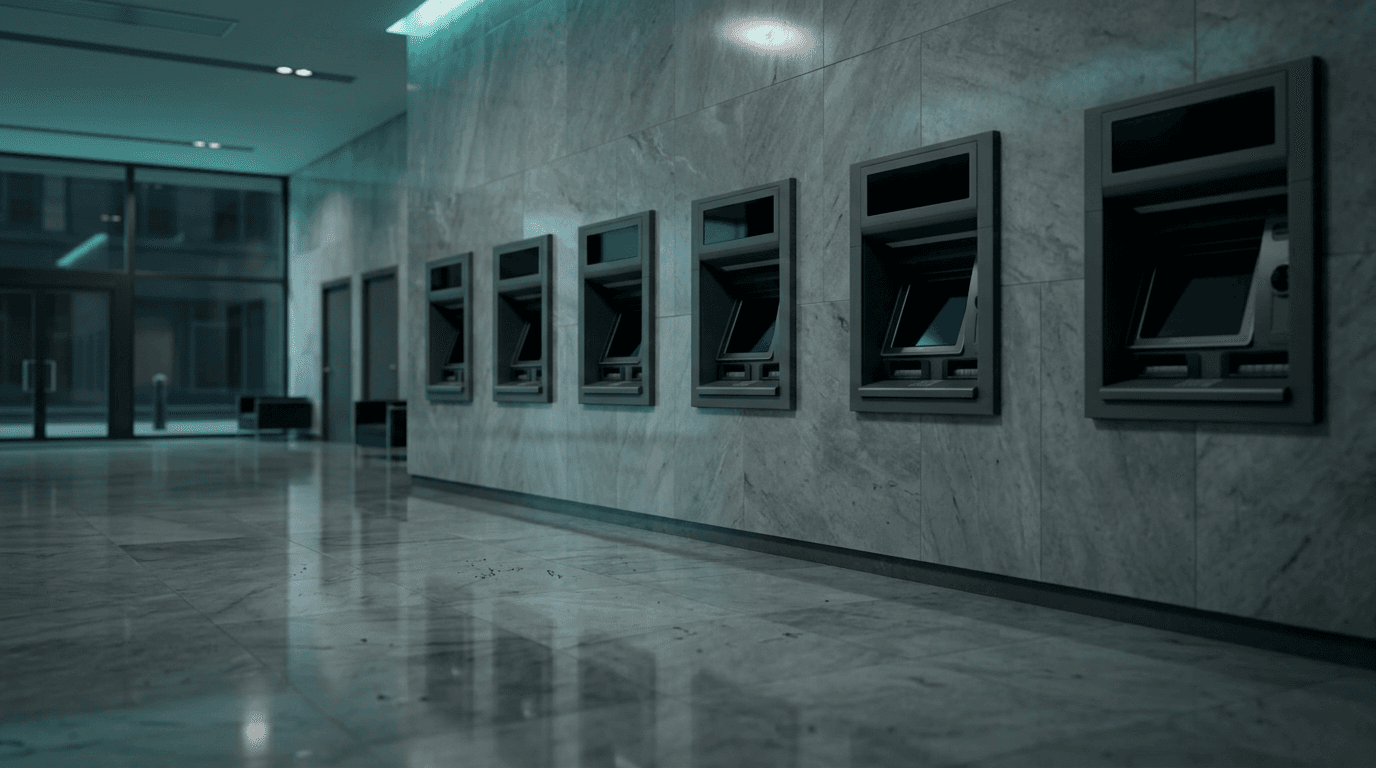
At least eight Iranian banks, including the country's three largest financial institutions, are experiencing severe service disruptions following what state media has acknowledged as a major cyberattack. The outages, which began earlier this week, have paralyzed ATMs, mobile banking applications, and point-of-sale terminals across the Islamic Republic, marking the second such systemic failure in June 2026.
The cyberattack has targeted the core of Iran's financial infrastructure, with state television confirming that Bank Melli, Bank Saderat, and Bank Tejarat are currently under assault. According to reports reviewed by The Zioneer Intelligence Desk, authorities have been forced to temporarily freeze card-based services to prevent unauthorized access and protect customer assets. While the state broadcaster admitted to the attack on the three largest banks, officials attributed outages at five additional institutions to a "central switch update," a claim that has met with skepticism given the timing and scale of the disruptions.
Systemic Fragility
This incident follows a similar wave of disruptions reported on June 13 and June 16, when Bank Melli and three other institutions faced persistent payment failures. The recurring nature of these attacks highlights the vulnerability of the Islamic Republic's financial nodes. The impact has reached the daily lives of Iranian citizens; a spokesperson for the national fuel station union advised the public to pay in cash, noting that the likelihood of a successful electronic transaction at the pump is currently low.
Strategic Context
The disruptions occur as Iran navigates a high-stakes diplomatic period, including negotiations over the 'Islamabad Agreement' and ongoing regional tensions. While no group has yet claimed responsibility, the precision of the strikes on core banking switches suggests a sophisticated adversary. For Israel and the international community, these events underscore the ongoing shadow war in the digital domain, where the stability of the Iranian regime's domestic infrastructure remains a primary point of friction. The Zioneer Intelligence Desk will continue to monitor the restoration of services and any further escalation in the cyber arena.
3 developments