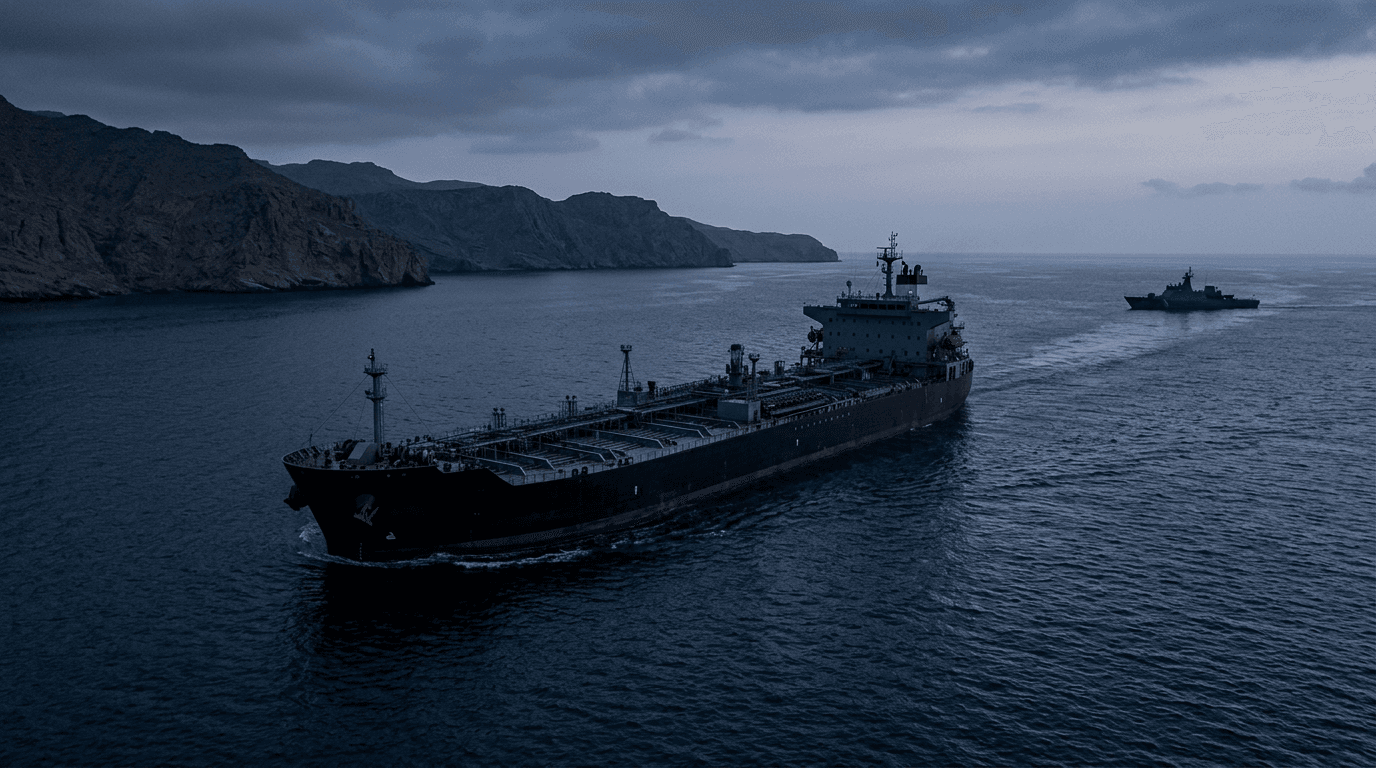
A Zioneer analysis argues that the US administration's response to the killing of American soldiers in Jordan—and its broader avoidance of ground operations in the Strait of Hormuz due to casualty aversion—projects a dangerous weakness that emboldens adversaries from Beijing to Moscow. The analysis warns that a superpower unable to absorb losses is perceived as a vulnerable and frightened entity.
The Zioneer published a commentary arguing that the US administration's reaction to the killing of three American soldiers in Jordan—and its broader reluctance to sustain casualties in a ground operation in the Strait of Hormuz—sends a dangerous signal of weakness. The analysis contends that for a superpower, the death of two or three soldiers should be strategically inconsequential, yet the US's behavior suggests an inability to absorb losses, making it appear vulnerable to adversaries from Beijing to Moscow. The piece warns that this perception emboldens enemies and undermines deterrence.
- DevelopingAnalysis: Trump ground-operation refusal for Hormuz poses global security risk, commentator argues
- DevelopingAnalyst warns US failure to conclude Iran war sends danger signal to foes worldwide
- StrongAnalysis: US coastal strikes on Iran aim to disable Hormuz shipping threat
- DevelopingThe Zioneer analysis: US strikes on Iran not deterring regime, Hormuz blockade continues
Source and signal
A single-sourced dispatch is never rated Confirmed or Strong. Its Signal strengthens only when a second, independent source corroborates it.
- Internal intake