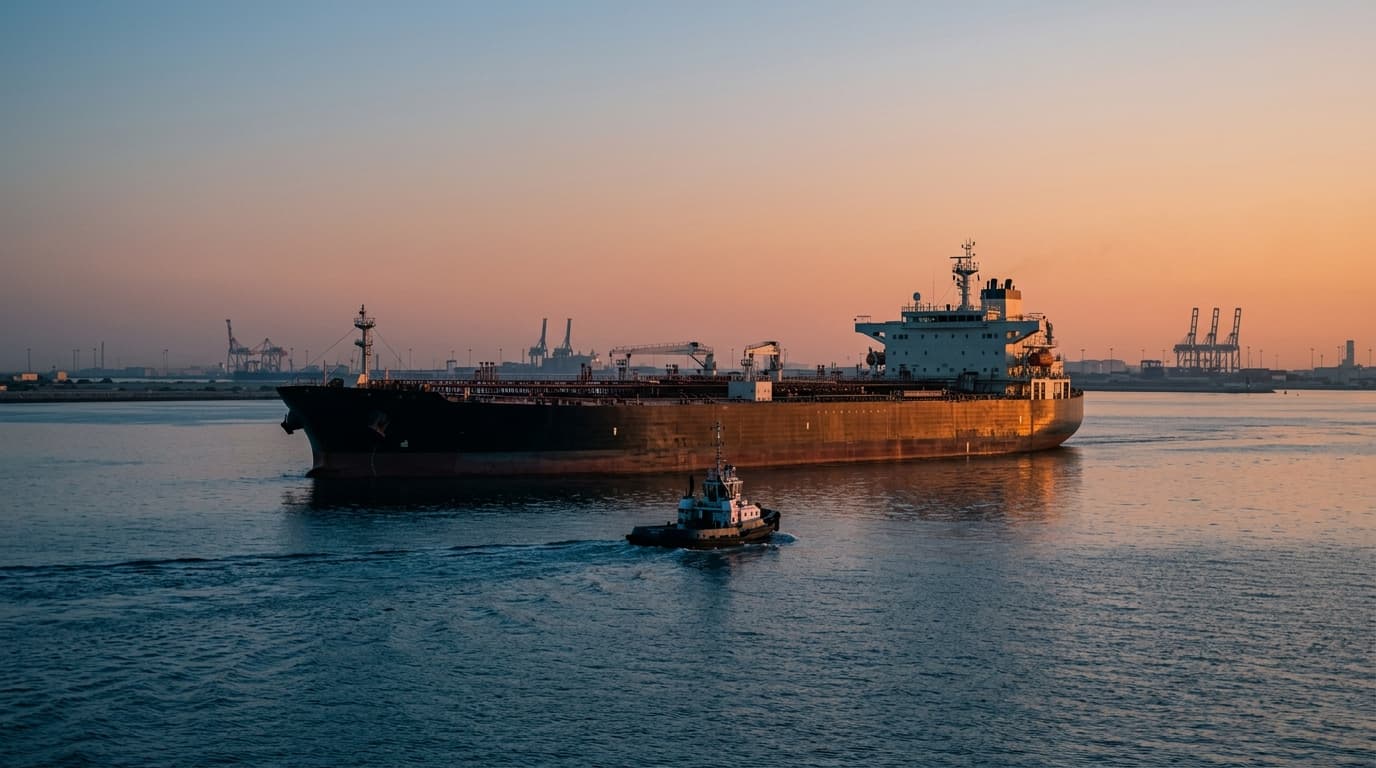
Iran's Industry Minister acknowledged that the naval blockade has shifted goods transport from sea to land, raising costs and increasing price pressure on Iranian citizens. He blamed the United States for the situation.
Iran's Industry Minister acknowledged in remarks broadcast Tuesday evening that the ongoing naval blockade has forced a shift in goods transport from maritime to overland routes, driving up costs and worsening inflation for Iranian citizens. The minister attributed the price rise directly to the blockade, saying it has increased the cost of living and public pressure. He placed blame on the United States.
The admission marks a rare public acknowledgment from within the Iranian government that the blockade — part of the broader US-led pressure campaign linked to the Strait of Hormuz closure and military escalation — is having tangible economic consequences. The Zioneer has previously reported on Tehran's struggles with fuel shortages, suspended gasoline subsidies, and rising food costs as the conflict deepens.
No specific new policy response from Tehran was reported alongside the remarks.
- DevelopingIran cancels subsidized gasoline quota as war and blockade bite
- DevelopingIran says US has begun lifting naval blockade on its ports
- DevelopingIDF brass tell Israeli cabinet: maintaining naval blockade would have broken Iran
- DevelopingAraghchi: Sanctions on Iranian oil exports lifted, naval blockade removed
Source and signal
A single-sourced dispatch is never rated Confirmed or Strong. Its Signal strengthens only when a second, independent source corroborates it.
- Internal intake