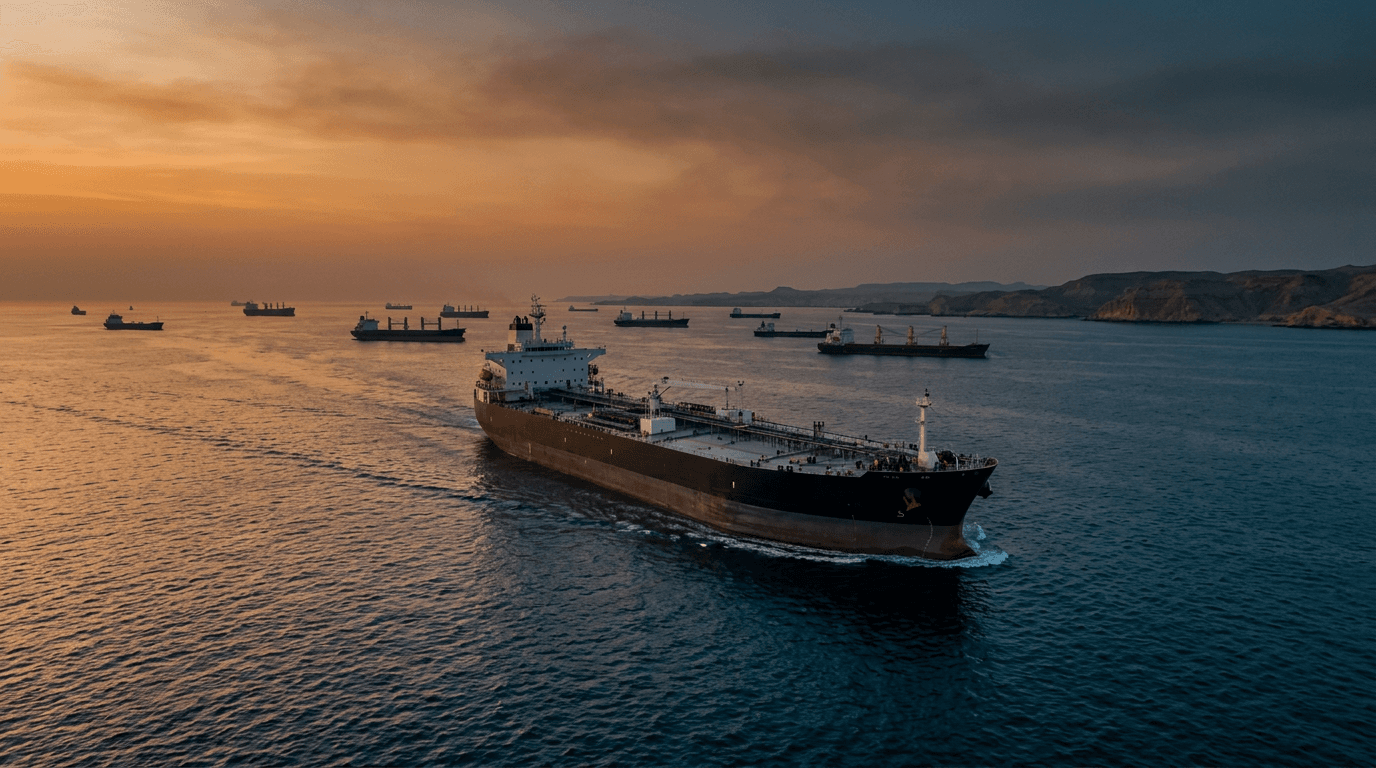
UN data published by Reuters shows that 57 ships carrying about 1,100 sailors and crew members transited the Strait of Hormuz over the past two days, according to a report cited by Israeli journalist Asaf Rozentzweig (N12). The transit count is the highest reported in a single period since tracking intensified during the ongoing Iranian blockade.
New UN data published by Reuters and cited by Asaf Rozentzweig (N12) on Thursday indicates that 57 ships with approximately 1,100 sailors and crew members transited the Strait of Hormuz over the past two days. The figure marks a significant increase from earlier single-day counts — as The Zioneer reported on Wednesday, five South Korean vessels exited the strait in a separate movement. The latest transit data reflects a continuing recovery of commercial and crewed shipping through the strategic waterway, which Iran's IRGC has sought to restrict since closing the strait last month. U.S. Central Command had previously reported 55 merchant vessels carrying over 17 million barrels of oil transiting the strait on Saturday, June 20. The UN data provides a fresh, institution-sourced snapshot of shipping activity amid the ongoing blockade, though no breakdown by vessel type or flag has been published.
- DevelopingEight vessels transited Strait of Hormuz over weekend, maritime tracker reports
- Developing25 commercial vessels cross Strait of Hormuz on Thursday — highest since mid-April
- DevelopingCENTCOM: 55 commercial ships transit Strait of Hormuz, traffic increases
- DevelopingUN begins evacuation of ships from Strait of Hormuz
Source and signal
A single-sourced dispatch is never rated Confirmed or Strong. Its Signal strengthens only when a second, independent source corroborates it.
- Internal intake