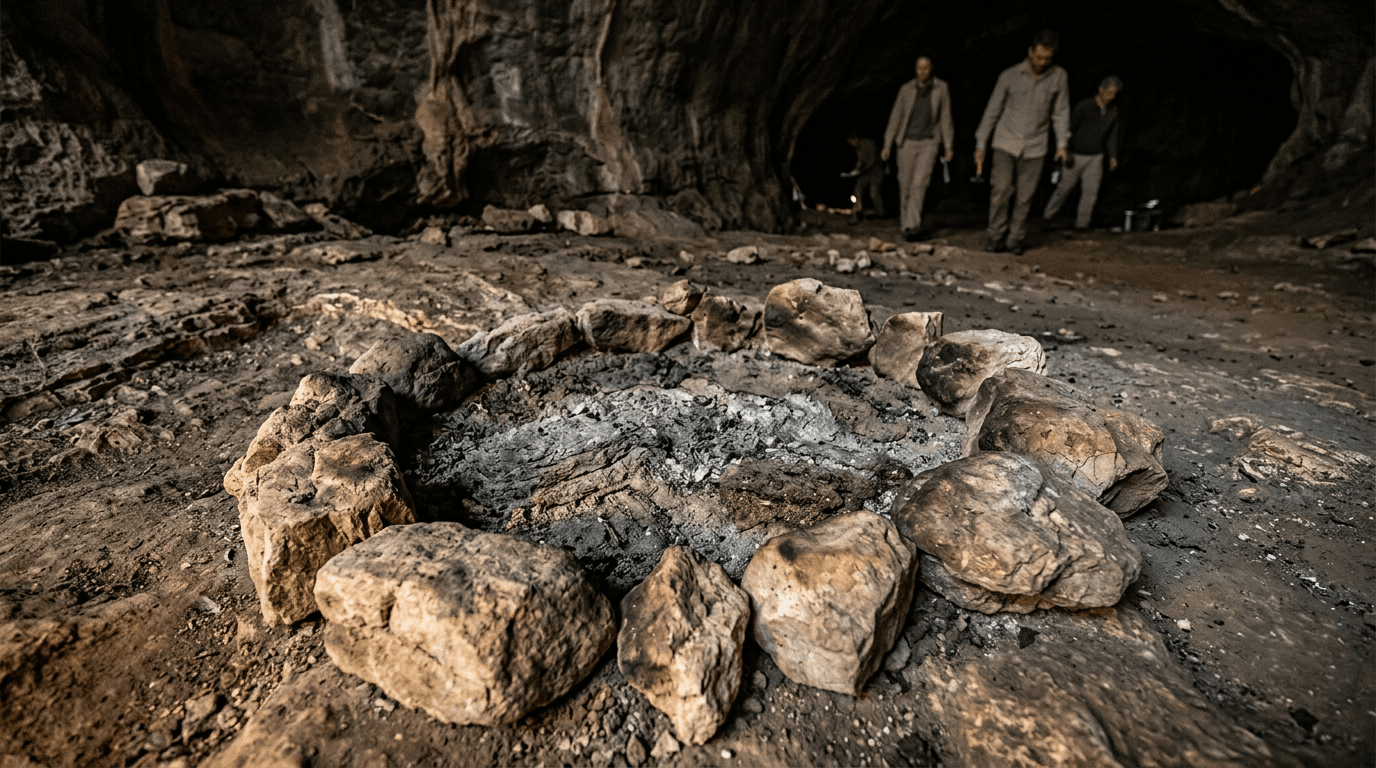
A study co-led by the University of Haifa, analyzing mud cores from the Carmel coast, finds that ancient Levantine communities adapted to drought through flexible strategies rather than collapsing or migrating away. The findings shed light on a 4,000-year record of human resilience in the face of climate change.
A new interdisciplinary study co-led by the University of Haifa has reconstructed 4,000 years of climate history and human adaptation along Israel's Carmel coast. By analyzing sediment cores extracted from the coastal marshland, researchers identified repeated drought episodes and concluded that ancient Levantine societies coped through adaptive strategies rather than abandoning their settlements or relocating. The findings challenge prevailing narratives that associate climatic stress primarily with societal collapse. The study, reported by The Times of Israel, offers a rare continuous record of human-environment interaction in the southern Levant spanning the Bronze Age through the Byzantine period.
- DevelopingSatellite images show a decade of transformation at Givat Kochav HaShachar in Judea and Samaria
- StrongNewly described prehistoric cave near Zikhron Ya'akov dates back 400,000 years
- DevelopingIDF Navy prepares for potential Hamas sea infiltration attempts from Gaza
- DevelopingVolunteer rescuers train for major earthquake they say is overdue
Source and signal
A single-sourced dispatch is never rated Confirmed or Strong. Its Signal strengthens only when a second, independent source corroborates it.
- Internal intake