The Lead
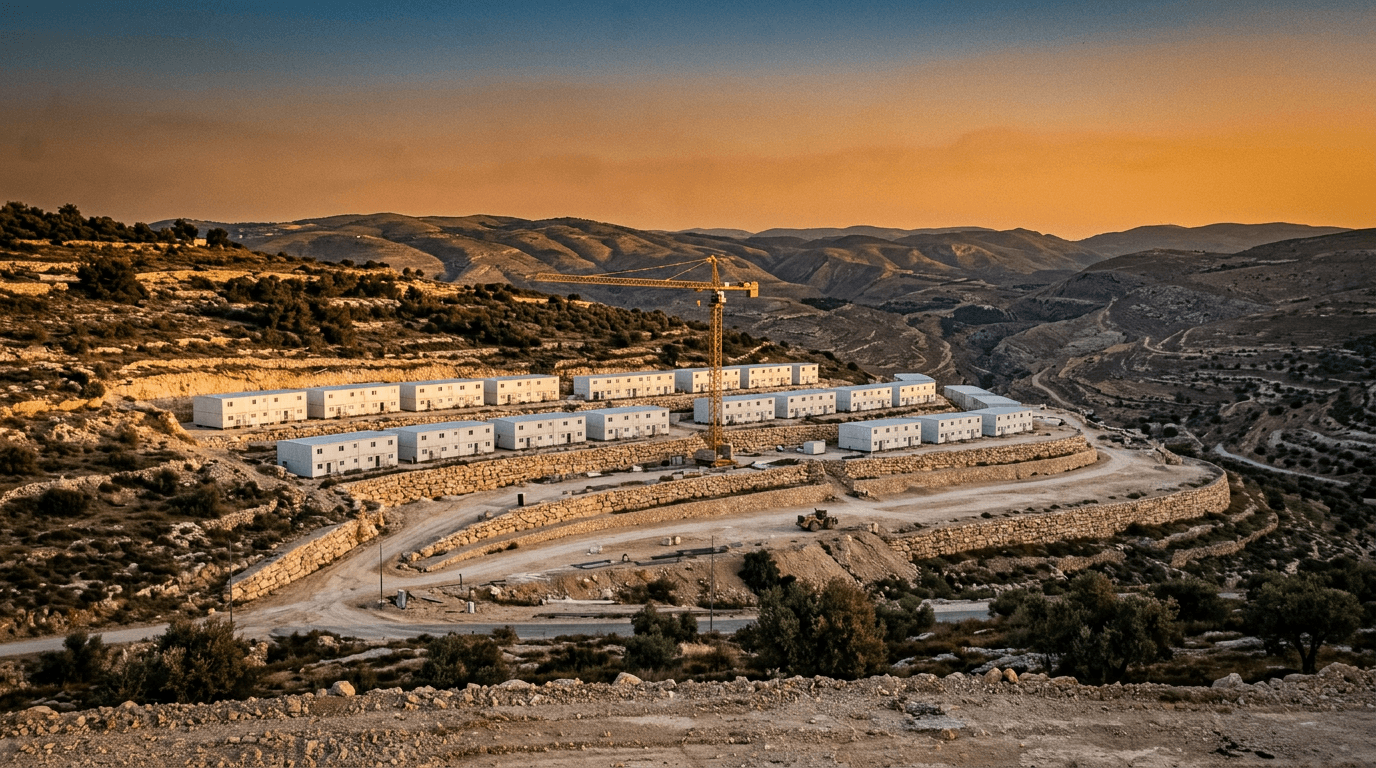
Finance Minister Bezalel Smotrich announced on Tuesday the declassification of a March security cabinet decision to establish 34 new settlements across Judea and Samaria. The move is backed by a total budgetary allocation of NIS 2.3 billion, designated for the rapid development of "pioneer neighborhoods" and critical access infrastructure. The announcement marks a significant step in the government's stated policy of strengthening Israeli presence in strategic areas of the region.
The declassified decision outlines a comprehensive expansion of Israeli communities in Judea and Samaria. According to the announcement, the 34 new settlements will be distributed across several regional councils: nine in Samaria, seven in Benjamin, four in the Hebron Hills, seven in the Jordan Valley, six in Gush Etzion, and one in the Megilot region. This brings the total number of settlements approved during the current government's tenure to 103.
Budgetary Breakdown and Infrastructure
The NIS 2.3 billion total budget is divided into two primary components. Approximately NIS 1.3 billion is allocated for the immediate establishment of "pioneer neighborhoods" and initial infrastructure development. This funding, advanced by Smotrich and Minister Orit Strock, aims to facilitate rapid physical presence on the ground while permanent planning processes continue.
An additional NIS 1 billion is designated for the paving of access and security roads. This infrastructure plan, which the government is expected to finalize tonight, includes routes serving the four communities in northern Samaria that were evacuated during the 2005 disengagement. The road budget will be managed jointly by the Ministry of Defense and the Ministry of Transport.
Strategic Objectives
Minister Smotrich characterized the decision as a "security-strategic" move intended to bolster national resilience. He stated that the establishment of these communities is a fundamental part of a broader effort to prevent the creation of a Palestinian state, which he described as a "terror state in the heart of Israel." The use of the security cabinet to initially approve these measures in March allowed the government to advance the planning while maintaining confidentiality during a sensitive diplomatic period. The declassification now signals a transition to the active implementation phase of these projects.
4 developments
- The Zioneer Intelligence Desk
- IDF promotes most senior female pilot to brigadier-general, appoints air force attaché in Washington
- U.S. inflation unexpectedly drops 0.4% to 3.5% in June
- Defense Minister Katz votes to cancel arrests; Goldknopf makes special visit to thank him
- Ahmadinejad spotted at Khamenei memorial ceremony, day after NYT investigation