The Lead
U.S. Central Command (CENTCOM) officially announced on Thursday evening that the naval blockade on all Iranian ports and coastal areas has been lifted, following a direct presidential directive. Simultaneously, Iran's Supreme Leader Ali Khamenei issued a formal statement endorsing the Islamabad Memorandum of Understanding (MoU), marking a definitive shift from reported diplomatic talks to formal implementation.
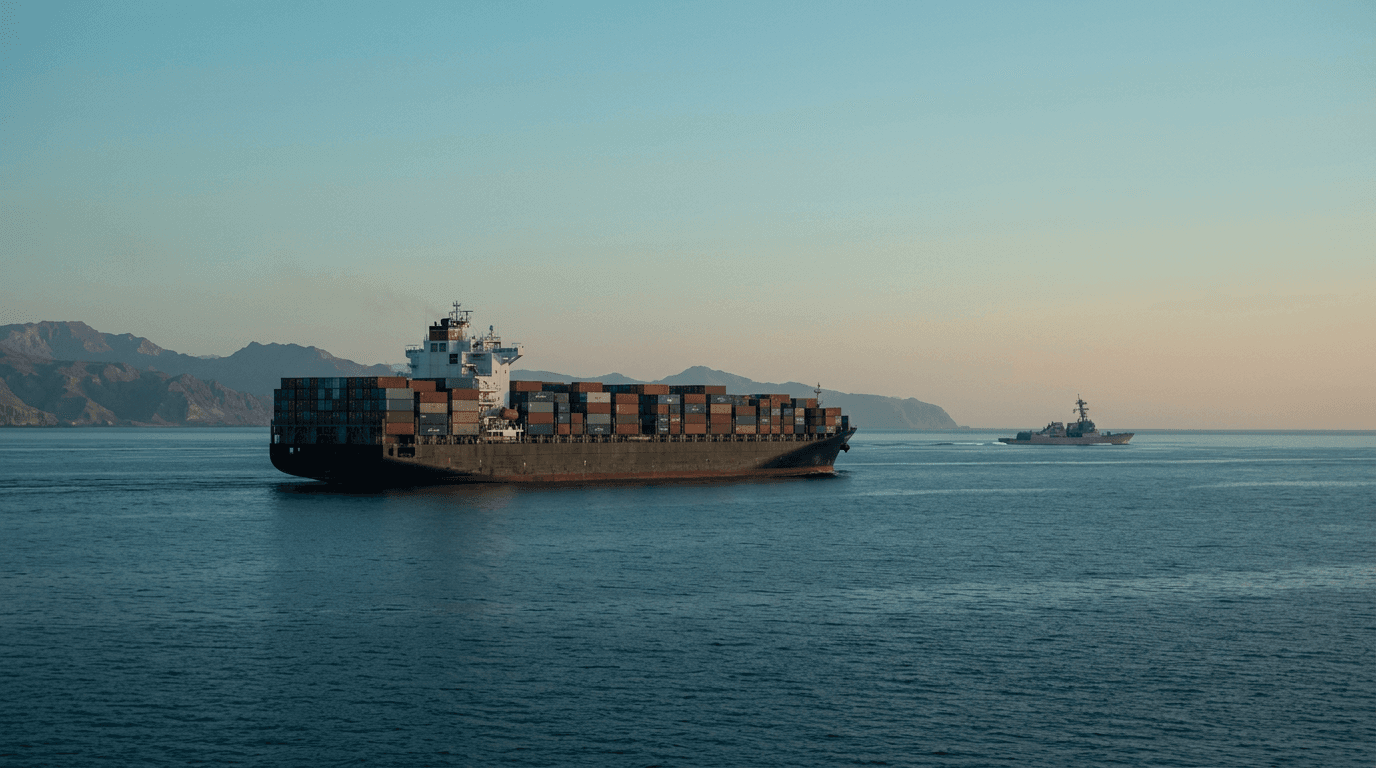
U.S. Central Command confirmed tonight at 19:58 Jerusalem time that American forces have ceased all efforts to enforce the naval blockade on Iranian maritime traffic. According to the announcement, U.S. assets will no longer interfere with vessels entering or exiting Iranian ports in the Persian Gulf and the Gulf of Oman. While active enforcement has ended, major naval vessels will remain in the region to monitor compliance with the broader agreement. This move follows weeks of intense maritime friction during which U.S. forces had actively interdicted shipping. ### Khamenei's Formal Endorsement Concurrently, Iranian Supreme Leader Ali Khamenei issued a rare formal statement confirming the signing of the Islamabad Memorandum of Understanding. While endorsing the deal, Khamenei maintained a defiant tone, warning that Iran "will not yield to excessive demands." This acknowledgment provides the necessary religious and political cover within the Iranian establishment for the agreement's execution. The dual announcements resolve days of uncertainty regarding the status of the blockade, which Iranian officials had previously claimed was already being phased out. ### Regional Implications and Analysis The formalization of these understandings represents a significant de-escalation in the direct military confrontation between Washington and Tehran. However, the continued presence of U.S. Navy assets suggests a policy of "trust but verify," with the military remaining positioned to resume enforcement if the diplomatic track falters. For Israel and regional allies, the lifting of the blockade is a critical indicator of the new strategic reality under the Islamabad MoU. The focus now shifts to the 60-day negotiation phase and the extent to which Iran adheres to the underlying security assurances.
5 developments
- The Zioneer Intelligence Desk
- Iranian delegation cancels trip to Switzerland, citing Israeli ceasefire violations in Lebanon
- Oil depot in Moscow reportedly struck by missile
- Israeli officials stunned by Vance's attack, choose silence to avoid deepening rift with Trump
- Report: Three Saudi oil tankers with 6 million barrels cross Strait of Hormuz