The Lead
Eight men have been indicted on federal charges including conspiracy to commit murder and conspiracy to commit an act of terrorism for allegedly planning a drone attack on President Trump's White House UFC event. The indictment, which follows a multi-stage investigation by federal law enforcement, also includes charges of providing material support to terrorism.
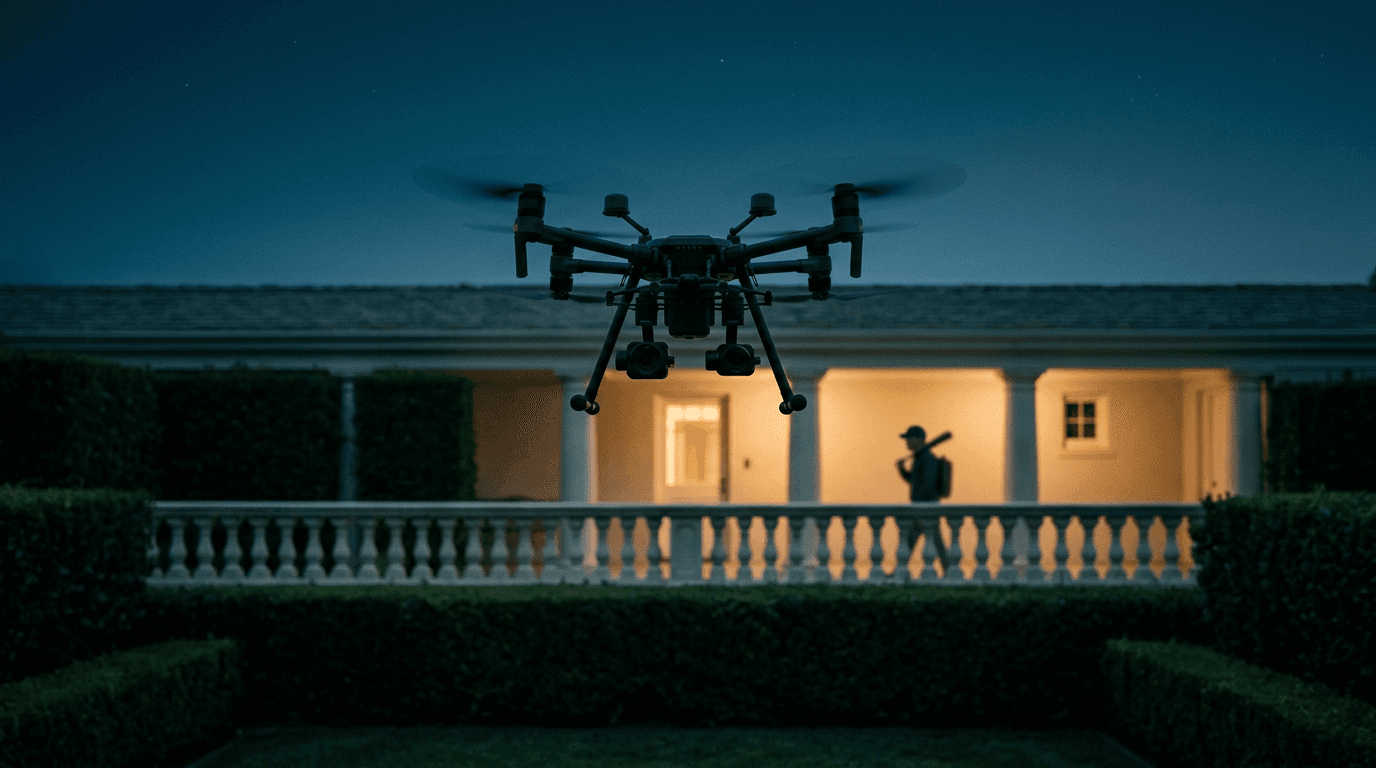
Federal prosecutors have formally indicted eight individuals in connection with a sophisticated plot to attack a high-profile UFC event held at the White House. According to the indictment, the group planned to utilize drones to carry out an act of terrorism during the event, which was attended by President Trump. The charges brought against the defendants include conspiracy to commit murder and conspiracy to commit an act of terrorism across state lines.
Context of the Thwarted Attack
This indictment is the latest development in a case that first came to light in mid-June. Previous reports reviewed by The Zioneer Intelligence Desk indicated that the FBI had foiled a multi-stage conspiracy involving explosive-laden drones and pre-staged sniper teams. The plot was reportedly timed to coincide with the nation's 250th anniversary celebrations. Earlier disclosures suggested that the suspects utilized social media platforms like TikTok for recruitment and encrypted messaging services to coordinate their movements.
Allegations and Material Support
Beyond the primary conspiracy charges, the eight men are accused of providing material support to terrorism. Investigators have previously linked members of the group to extremist ideologies, with some suspects allegedly compiling hit lists of congressional members based on their support for Israel. One suspect, Abraham Hermosillo Alvarez, was identified by the Department of Homeland Security as a key figure in the operation. The indictment formalizes the legal framework for prosecuting the group for what officials describe as a coordinated attempt to strike at the heart of the U.S. executive branch.
Security Implications
The case highlights the evolving threat posed by small, commercially available drones used as improvised weapon systems. For security analysts, the integration of aerial technology with traditional sniper and ground assault tactics represents a significant challenge to high-level dignitary protection. As the legal proceedings move forward, federal authorities are expected to provide further clarity on the full scope of the network and any potential foreign or domestic organizational ties that facilitated the plot.
- Iran buries Khamenei in Mashhad after dayslong funeral procession
- Andy Burnham apologizes for Labour's Gaza response, calls for more pressure on Israel
- American official: Iran rebuilt defense capabilities near Strait of Hormuz since April ceasefire
- IRNA: Bushehr explosion attributed to air defense, military site hit by US-Israeli missile