The Lead
CNN reported on Wednesday that it has obtained a classified 14-clause draft of the memorandum of understanding between the United States and Iran, which has already been signed digitally. The document, sourced from an American official, outlines specific terms for a regional ceasefire, the reopening of the Strait of Hormuz, and significant economic relief for Tehran. Formal signing of the agreement is reportedly scheduled to take place this Friday in Switzerland.
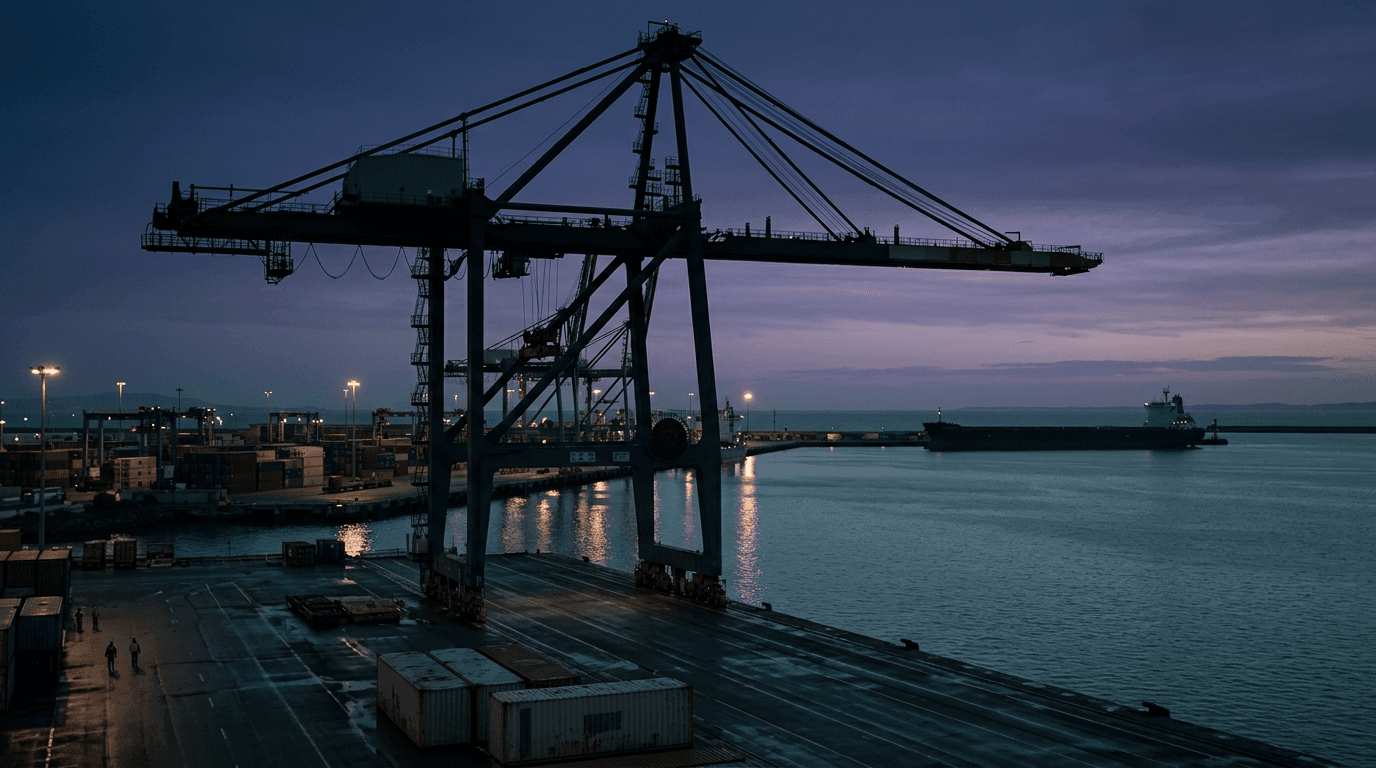
The emergence of the 14-clause draft provides a concrete framework for the diplomatic pivot currently underway between Washington and Tehran. According to the material obtained by CNN, the agreement focuses on immediate de-escalation measures, including a ceasefire across multiple fronts and the restoration of maritime traffic through the Strait of Hormuz. In exchange, the United States has reportedly agreed to provide economic relief, which prior reports have linked to the release of frozen assets and the resumption of oil exports. While the document has been digitally signed, the formal ceremony in Switzerland is intended to solidify the 60-day negotiation window toward a final status agreement.
Verification and Security Gaps
Despite the specific details in the leaked draft, significant verification gaps remain. Israeli intelligence assessments, as reported by Channel 12, suggest that the Iranian leadership—specifically Mojtaba Khamenei—may be viewing the framework primarily as a mechanism for economic survival rather than a genuine commitment to nuclear rollbacks. Furthermore, reports from U.S. officials cited by NBC indicate that the Islamic Revolutionary Guard Corps (IRGC) has continued to target merchant vessels with drones even after the digital signing on Sunday, raising questions about Tehran's command-and-control and its adherence to the spirit of the memorandum.
Strategic Outlook for Israel
For Jerusalem, the publication of these 14 clauses confirms fears of a deal that prioritizes regional stability and maritime commerce over irreversible nuclear concessions. Critics within the Israeli security establishment argue that reopening the Strait of Hormuz validates Iran's use of maritime pressure as a successful negotiation lever. As the parties prepare for the Friday signing in Switzerland, Israel remains focused on whether the 60-day window will be used by Iran to advance its nuclear breakout capability while shielded by the new diplomatic umbrella.
5 developments