The Lead
Iran is experiencing severe economic strain, with annual inflation reaching 89%, long queues at gas stations, and a sharp rise in food prices, according to reports Tuesday. The development marks the latest phase in a deepening cost-of-living crisis that has seen the national currency collapse and multiple sectors disrupted.
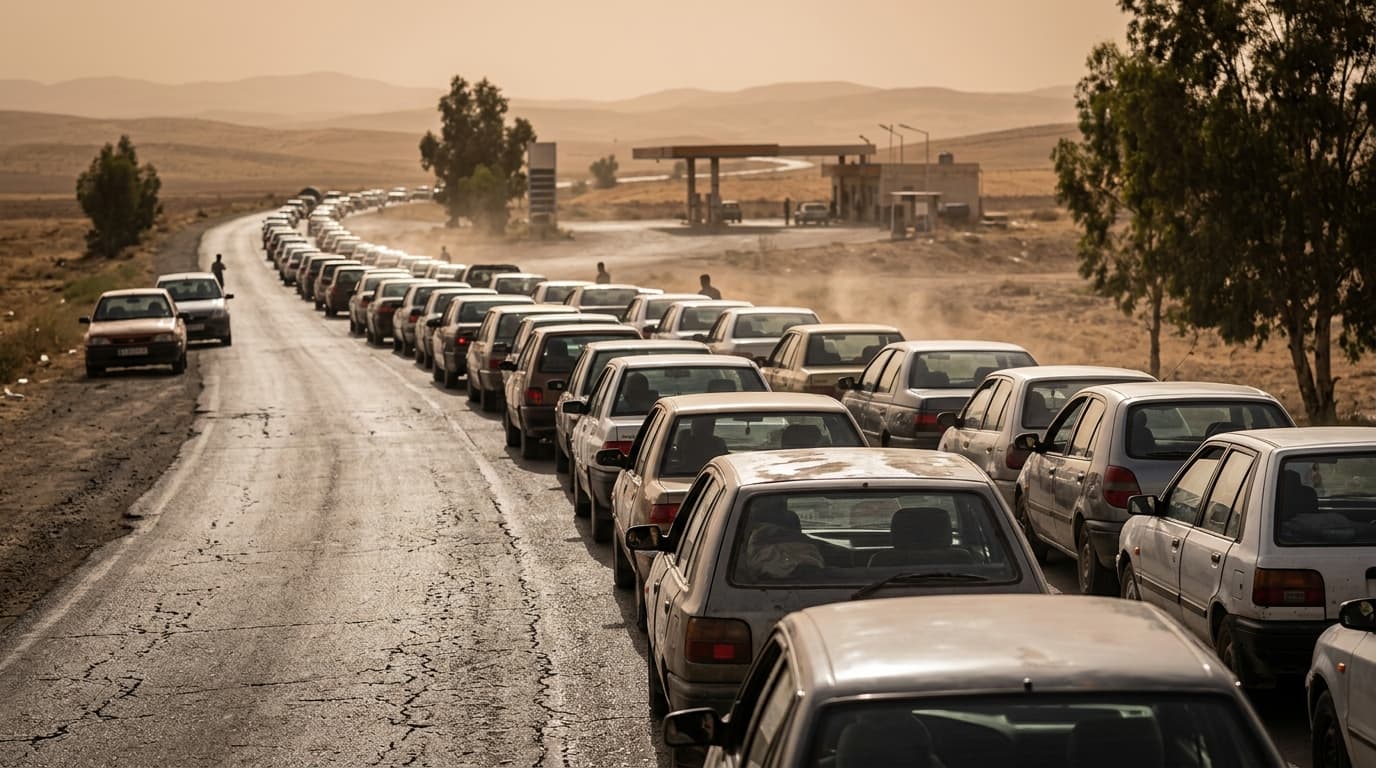
The Iranian economy is showing signs of significant distress as new data indicates annual inflation has climbed to 89%. This surge is accompanied by visible disruptions in daily life, including extensive queues of vehicles at gas stations and a sharp increase in the cost of essential food items. The situation reflects a persistent downward trend for the Iranian Rial and a broader failure to stabilize domestic markets amid regional tensions.
Context of the Crisis
This economic deterioration follows a pattern of accelerating price hikes and supply shortages. As The Zioneer reported earlier, official data from the Statistical Center of Iran previously showed food and beverage prices surging by over 134% year-over-year in certain sectors, with meat prices recording even higher increases. The current 89% headline inflation figure suggests that the regime's efforts to curb the cost-of-living crisis have yet to yield results, particularly as rural populations and basic staples remain the most affected.
Energy and Infrastructure Strain
The reports of long fuel queues indicate that Iran's energy sector—traditionally a cornerstone of its economy—is facing logistical or supply-side challenges. While Iran is a major oil producer, its domestic refining capacity and distribution networks have frequently struggled under the weight of sanctions and mismanagement. Similar scenes of hundreds of cars waiting at gas stations were documented in recent weeks, suggesting that the shortage is becoming a chronic feature of the current crisis.
Outlook and Regional Impact
The economic instability in Tehran occurs against a backdrop of renewed U.S. sanctions and regional military friction. The collapse of the Rial and the triple-digit inflation in some provinces have historically led to domestic unrest, a factor that the Iranian leadership must weigh alongside its regional security objectives. For Israel and the international community, the depth of this economic contraction—which the IMF previously projected could be the worst since the 1980s—remains a critical indicator of the regime's internal resilience and its ability to sustain long-term proxy funding.