The Lead
The Islamic Revolutionary Guard Corps (IRGC) confirmed on Tuesday that two commercial vessels struck in the Strait of Hormuz have been disabled. The IRGC alleged the ships ignored warnings and attempted to navigate an "illegal route" it considers a minefield, while warning that continued cooperation with the United States would further delay the reopening of the strategic waterway.
IRGC Claims and Allegations
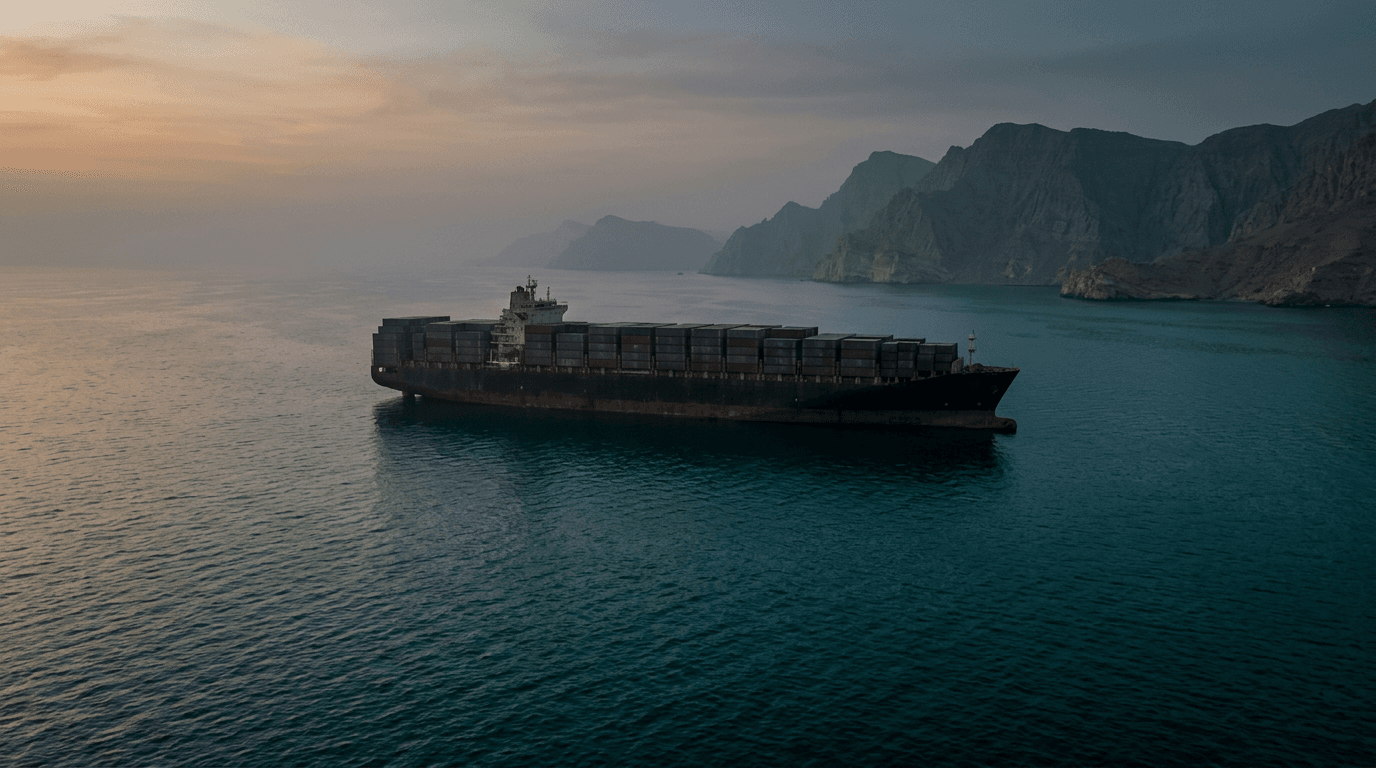
In a statement released Tuesday, the Public Relations Department of the Islamic Revolutionary Guard Corps (IRGC) confirmed that its naval forces disabled two "supertankers" in the Strait of Hormuz. According to the IRGC, the vessels had disabled their navigation systems and disregarded repeated warnings from the Iranian security control center. The paramilitary organization accused the United States of attempting to compel the vessels to deviate from legal courses, characterizing the tankers as victims of "American deception."
The IRGC further alleged that the vessels attempted to use an unauthorized route that Iran considers a minefield. This confirmation follows earlier reports on Tuesday of kinetic strikes against maritime targets in the region. The IRGC warned that any further cooperation with the "aggressor enemy" would result in additional damage and prolong the closure of the strait, which they claim could precipitate a global energy crisis.
Strategic Context and Analysis
This incident marks a significant escalation in Tehran's efforts to enforce a maritime blockade in the Strait of Hormuz. Previous reporting by The Zioneer Intelligence Desk has documented Iranian claims of a "temporary closure" of the waterway (see [July 12 report](https://thezioneer.com/en/article/iran-says-strait-of-hormuz-is-closed-claims-it-struck-vessel-using-unauthorized-route-0265f80e)). The current rhetoric frames the IRGC's actions as a defensive response to U.S. naval activity in the Persian Gulf, where the United States has recently reinstated a naval blockade following the collapse of the "Islamabad Agreement."
While the IRGC has confirmed the vessels are disabled, independent verification of the ships' identities, flags, or the extent of the damage remains unavailable. The IRGC's narrative seeks to place the burden of the resulting maritime disruption on American "provocation" while asserting total Iranian sovereignty over the transit routes.
Outlook
The situation in the Strait of Hormuz remains highly volatile. The IRGC's explicit threat to delay the reopening of the strait suggests that Tehran intends to use its control over the chokepoint as leverage against international pressure. Observers are monitoring for a potential U.S. military response, as the United States is currently engaged in direct kinetic confrontation with the Iranian regime across multiple locations. The impact on global oil prices and maritime insurance rates is expected to be immediate as the status of the waterway remains unconfirmed by neutral parties.
2 developments
- Houthis warn airlines: Saudi airspace is closed
- CIA Deputy Director Reportedly Admits to Bitcoin Use for Intelligence Gathering
- Czech foreign minister: Czech Republic in talks with Israeli firms for air defense systems
- National Cyber Directorate, National Digital Directorate warn of phishing scam impersonating official GOV.IL SMS