The Lead
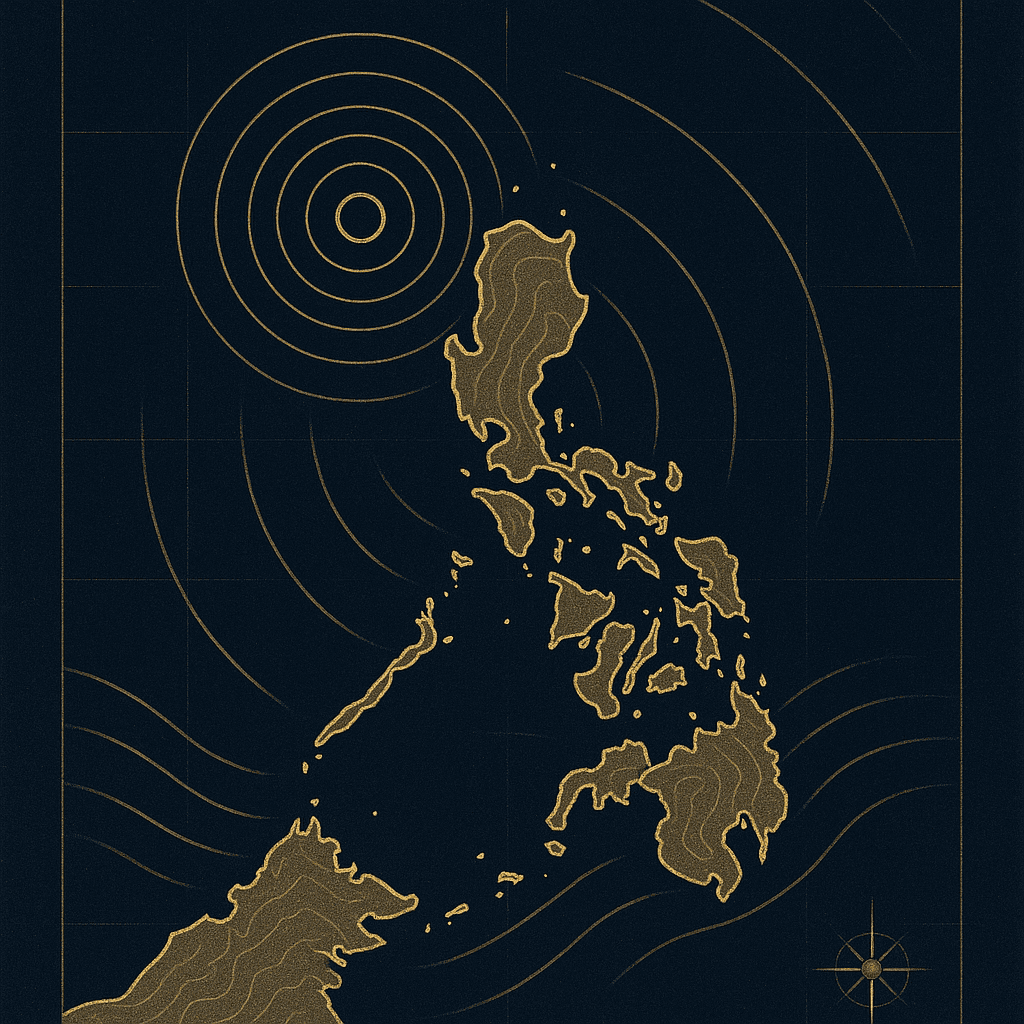
A massive magnitude-8 earthquake struck the southern Philippines early Monday, significantly increasing the casualty count and triggering urgent tsunami warnings across the region. Initial reports indicate that dozens have been killed and hundreds injured as the picture of destruction continues to develop in the Mindanao region.
The seismic event, initially recorded at magnitude 7.8 and subsequently updated to 8.0 by monitoring agencies, occurred at approximately 7:37 AM local time. The epicenter was located offshore near the island of Mindanao at a depth of roughly 20 to 35 kilometers. This massive release of energy has caused widespread structural failure in urban centers and triggered landslides in rural provinces.
Context and Background
The Philippines is situated on the 'Pacific Ring of Fire,' making it one of the most seismically active nations in the world. However, a magnitude-8 event represents a rare and catastrophic escalation compared to the region's typical activity. Mindanao, the country's second-largest island, has faced several significant tremors in recent years, but the scale of the current disaster has prompted a full-scale national emergency response. The Office of Civil Defense (OCD) is currently coordinating rescue efforts in General Santos City and surrounding areas, where the impact was most severe.
Analysis and Current Situation
The situation remains fluid as communication with remote coastal villages is still being restored. While early reports confirmed 19 fatalities, updated figures from material reviewed by The Zioneer Intelligence Desk suggest the death toll has reached at least 35, with dozens more missing. Tsunami waves of approximately one meter have been reported hitting nearby coasts, and warnings remain in effect for parts of Indonesia and Japan. Footage from the scene shows the partial or total collapse of commercial buildings, including a branch of the 'Jollibee' fast-food chain in General Santos. Authorities are warning residents to remain in open spaces due to the high frequency of strong aftershocks, which continue to threaten compromised structures.
What It Means and Outlook
The immediate priority for the Philippine government is the search and rescue of those trapped under rubble. For the international community, including Israel—which maintains significant labor and security ties with the Philippines—the focus remains on the safety of foreign nationals and the potential for a larger humanitarian crisis. The Zioneer will continue to monitor the situation as official casualty counts are verified and the tsunami threat is assessed across the Pacific basin.
2 developments