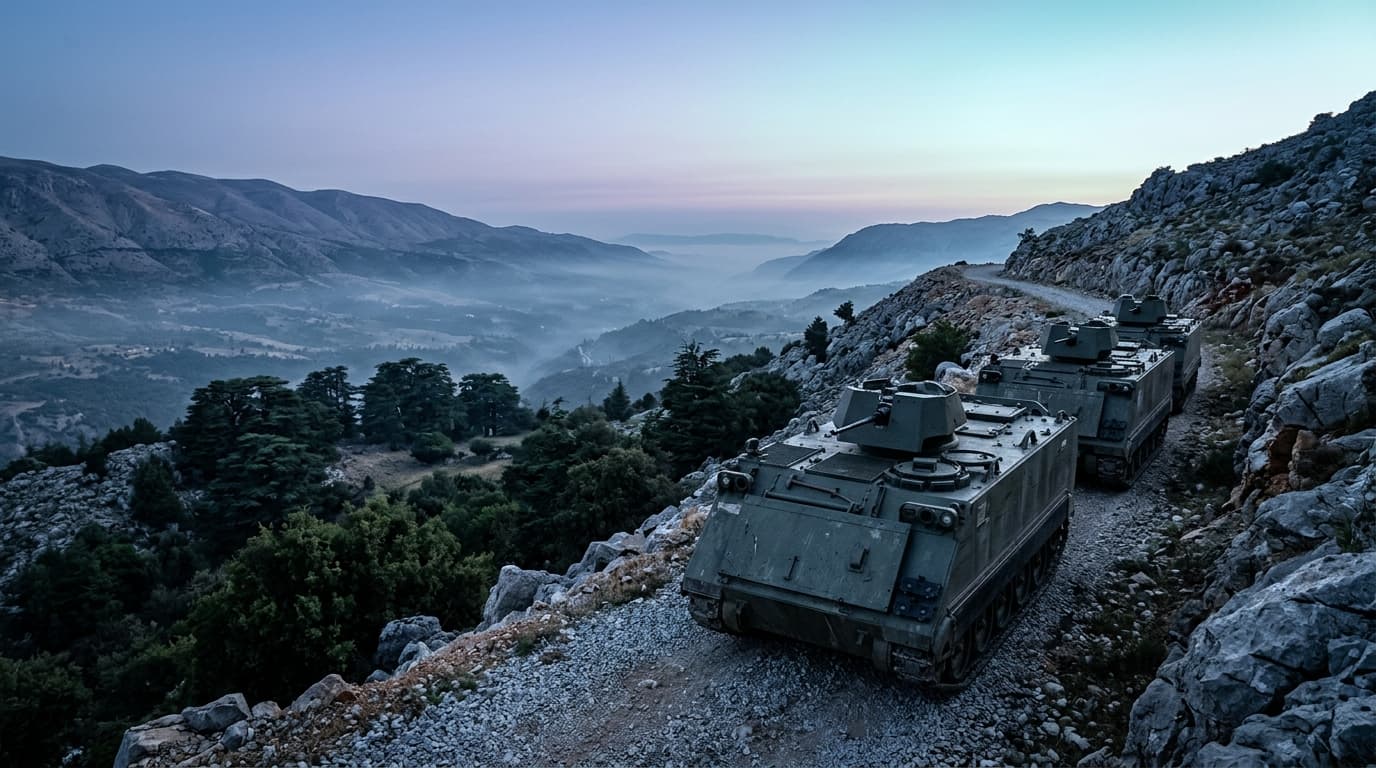
The Lead
Prime Minister Benjamin Netanyahu publicly vowed on Thursday to maintain an Israel Defense Forces (IDF) military presence in Lebanon, signaling a firm rejection of pressure from both the United States and Iran to withdraw. The statement, reported by Israel Hayom, reinforces the Prime Minister's stance conveyed to ministers earlier this week as diplomatic maneuvers over the northern front intensify.
Strategic Defiance
Prime Minister Benjamin Netanyahu has signaled that Israel will not be moved by international or regional pressure regarding its operational control in southern Lebanon. According to reports reviewed by The Zioneer Intelligence Desk, Netanyahu explicitly cited pressure from Washington and Tehran as factors he is currently resisting. This public commitment serves as a direct response to ongoing diplomatic discussions that have reportedly sought an Israeli withdrawal as part of broader regional understandings.
Context of the Northern Front
The Prime Minister's remarks come at a critical juncture for Israel's northern security. Internal Zioneer records indicate that Netanyahu has previously informed U.S. President Trump that Israel is not bound by specific clauses in emerging U.S.-Iran deals that would mandate an IDF pullout. The Israeli leadership maintains that the security of northern residents—many of whom remain evacuated—cannot be guaranteed without a continued military buffer to prevent the resurgence of Hezbollah or other Iranian proxies.
Analysis of Diplomatic Pressure
The mention of "atomic" pressure from Iran, as noted in recent intelligence reports, highlights the stakes of the current negotiations. While the United States has sought to stabilize the region through diplomatic frameworks, the Israeli security establishment remains skeptical of any arrangement that relies on international guarantees rather than IDF boots on the ground. By framing the refusal to withdraw as a stand against both an ally (the U.S.) and an adversary (Iran), Netanyahu is positioning the Lebanon presence as a non-negotiable pillar of Israeli national resilience.
Outlook
As of Thursday evening, the situation remains developing. The Prime Minister's firm stance sets the stage for potential friction with the Trump administration, which has reportedly been pushing for a conclusion to the northern hostilities. Observers should watch for whether this rhetoric translates into a long-term "security zone" policy similar to Israel's historical presence in Lebanon, or if it serves as a high-stakes bargaining chip in the finalization of a regional ceasefire agreement.
- Vance: Iran's nuclear program destroyed, no enrichment capability left
- VP Vance: pragmatists winning internal Iran debate, expects final deal to block long-range missiles
- Trump expresses satisfaction with Iran deal, citing oil, security, and economy
- Minister Ben Gvir responds to Vance: 'Must confront the Nazis of the 21st century'