The Lead
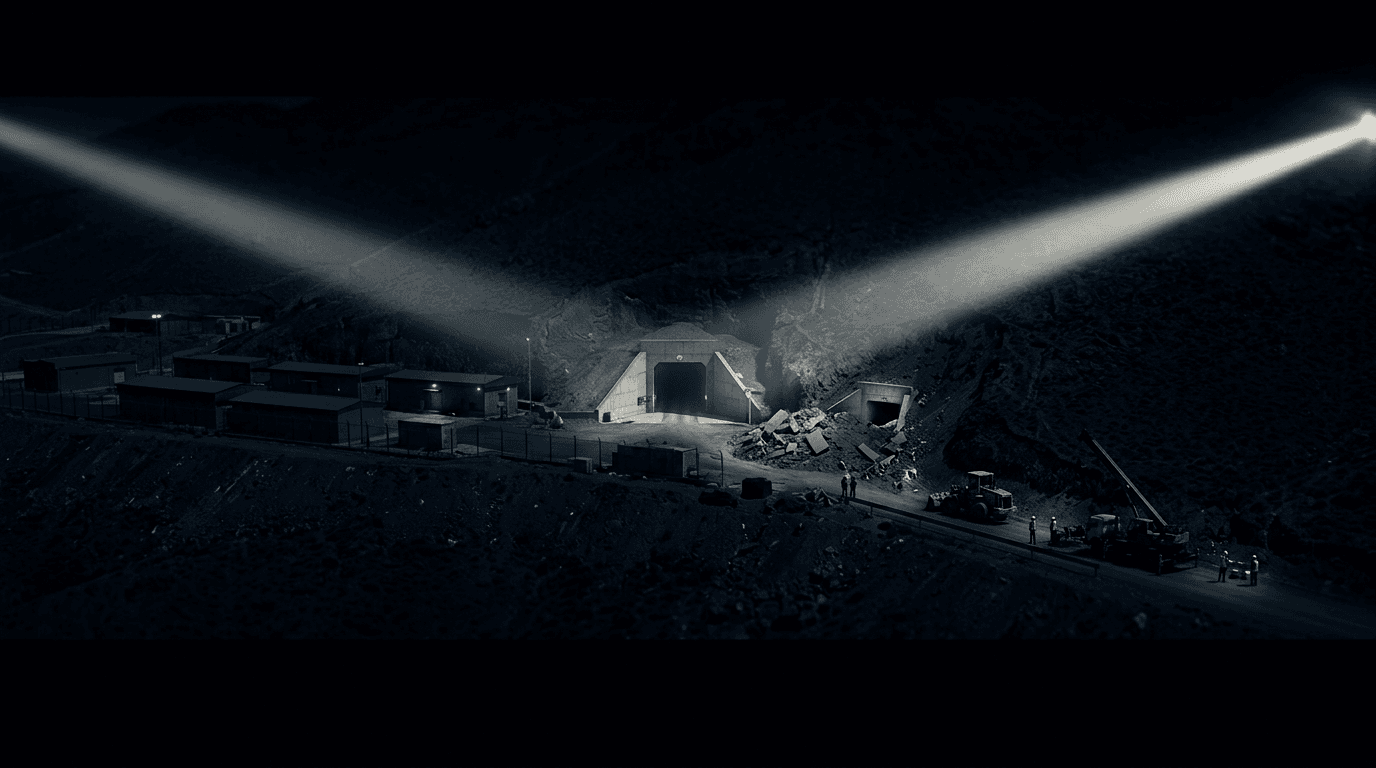
High-resolution satellite imagery from Vantor reveals that the main tunnel entrances at Iran's Isfahan nuclear facility remain entirely buried under dirt and rubble, nearly a year after the site was targeted in Israeli and U.S. military operations.
New visual evidence indicates that the underground infrastructure at the Isfahan nuclear facility remains inaccessible. According to high-resolution satellite imagery from Vantor, published by Abu Ali Express on Thursday, the primary tunnel entrances at the site are still covered by significant mounds of earth. This status persists nearly a year after the facility was struck during the Israeli Operation Rising Lion (מבצע עם כלביא) and the U.S. operation "Midnight Hammer" in June 2025.
Defensive Obstruction
Reports indicate that Iran did not merely leave the damage from the 2025 strikes unrepaired. Instead, Tehran reportedly took proactive steps in early 2026 to intentionally fill the tunnel shafts with dirt. This maneuver appears designed to create a physical buffer against future kinetic strikes and to secure the underground complexes. Intelligence assessments previously published by The Zioneer suggest that these tunnels house hundreds of kilograms of uranium enriched to 60%, a level that is technically close to weapons-grade.
Strategic Implications
The continued burial of these entrances complicates both international monitoring and potential military or diplomatic efforts to address the stockpile. By entombing the material, Iran has made the uranium far more difficult to access or remove, effectively shielding its most sensitive nuclear assets behind layers of earth and debris. This development aligns with prior reports that Iran has also utilized mines and internal collapses to reinforce its defensive posture at strategic nuclear sites. Observers note that while the material remains "entombed," it also remains outside the immediate reach of international inspectors, further obscuring the true status of Iran's breakout capabilities.
- The Zioneer Intelligence Desk
- US weighs moving CENTCOM forces to Israel, establishing Negev base
- Jaffa school principal indicted for years of sexual abuse against teachers and students
- Iran warns US: Strait of Hormuz 'not a playground', threatens military response
- Syrian foreign minister in Beirut: Syria opposes Israeli attacks on Lebanon