The Lead
U.S. President Donald Trump and Iranian President Masoud Pezeshkian have electronically signed a bilateral memorandum of understanding (MOU), marking the first known direct agreement between the leaders of the two nations. The digital signing, confirmed early Thursday morning, brings the agreement into full force and triggers implementation clauses, including the immediate reopening of the strategic Strait of Hormuz.
The diplomatic track between Washington and Tehran reached a historic milestone overnight as President Donald Trump and President Masoud Pezeshkian finalized the 'Islamabad Agreement' via electronic signature. According to material reviewed by The Zioneer Intelligence Desk, the decision to move to a digital format allowed the parties to bypass a planned face-to-face ceremony in Switzerland, which had been scheduled for Friday. Iranian Foreign Ministry spokesperson Esmail Baghaei confirmed the development, stating that the text reached both presidents for signature to ensure that any subsequent violation would carry a "higher cost."
Immediate Strategic Impact
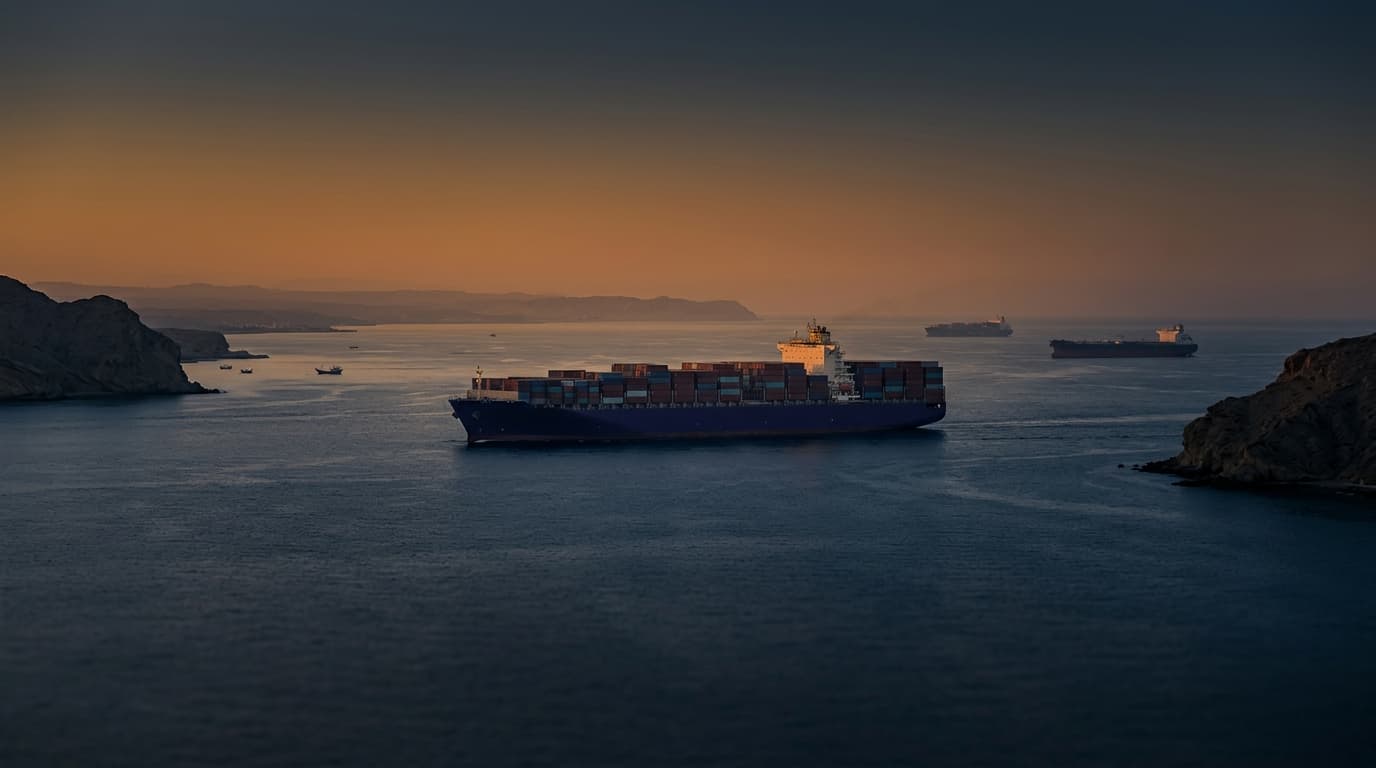
The primary consequence of the signing is the immediate activation of clauses regarding the Strait of Hormuz. The agreement necessitates the lifting of the U.S. naval blockade and the restoration of maritime traffic through the world's most critical energy chokepoint. This follows a period of intense kinetic confrontation in the Gulf, which had previously seen the waterway closed due to IRGC activity and subsequent U.S. military pressure. Reports indicate that the U.S. may now move toward publicizing the full text of the MOU, which has remained largely classified during the negotiation phase.
Analysis and Regional Outlook
While the electronic signing represents a formal end to the current state of hostilities, the diplomatic atmosphere remains fraught. Iranian officials emphasized that the remote signing was a deliberate choice, with Baghaei noting that Tehran would not "shake hands with enemies." For Israel, the transition from military confrontation to a formalized U.S.-Iran framework presents a complex security reality. While the reopening of the Strait may stabilize global energy markets, the long-term implications of the deal—which reportedly includes a 60-day ceasefire and sanctions relief—remain a subject of intense scrutiny in Jerusalem. The Zioneer will continue to monitor the implementation of the MOU's nuclear and regional proxy clauses as they take effect.
14 developments
- The Zioneer Intelligence Desk