The Lead
President Donald Trump clarified on Wednesday that the current diplomatic understanding with Iran is a non-binding memorandum of understanding (MOU) with a strict 60-day window for progress. Speaking on the regional situation, Trump warned that if negotiations fail to advance within this timeframe, the United States will immediately resume military strikes against Iranian targets.
President Donald Trump has provided new details regarding the diplomatic framework between Washington and Tehran, emphasizing that the current pause in kinetic activity is conditional and temporary. According to remarks reviewed by The Zioneer Intelligence Desk, the President described the agreement as a memorandum of understanding rather than a final treaty, establishing a 60-day 'clock' for diplomatic breakthroughs. "If we don't make progress in the next sixty days, we'll just go back to bombing them," Trump stated, adding that while he hopes to avoid further escalation, the military option remains fully prepared.
Strategic Context and Regional Friction
The President's comments come amid visible friction with the Israeli leadership. Trump acknowledged a disagreement with Prime Minister Benjamin Netanyahu regarding the ongoing campaign in Lebanon. While the U.S. has entered a phase of direct confrontation with the Iranian regime following the downing of an American helicopter earlier this month, the President suggested a more restrained approach to the northern front. Trump reportedly told Netanyahu that Israel could act "more softly" in Lebanon, questioning the necessity of destroying buildings in every strike.
Analysis: The 60-Day Ultimatum
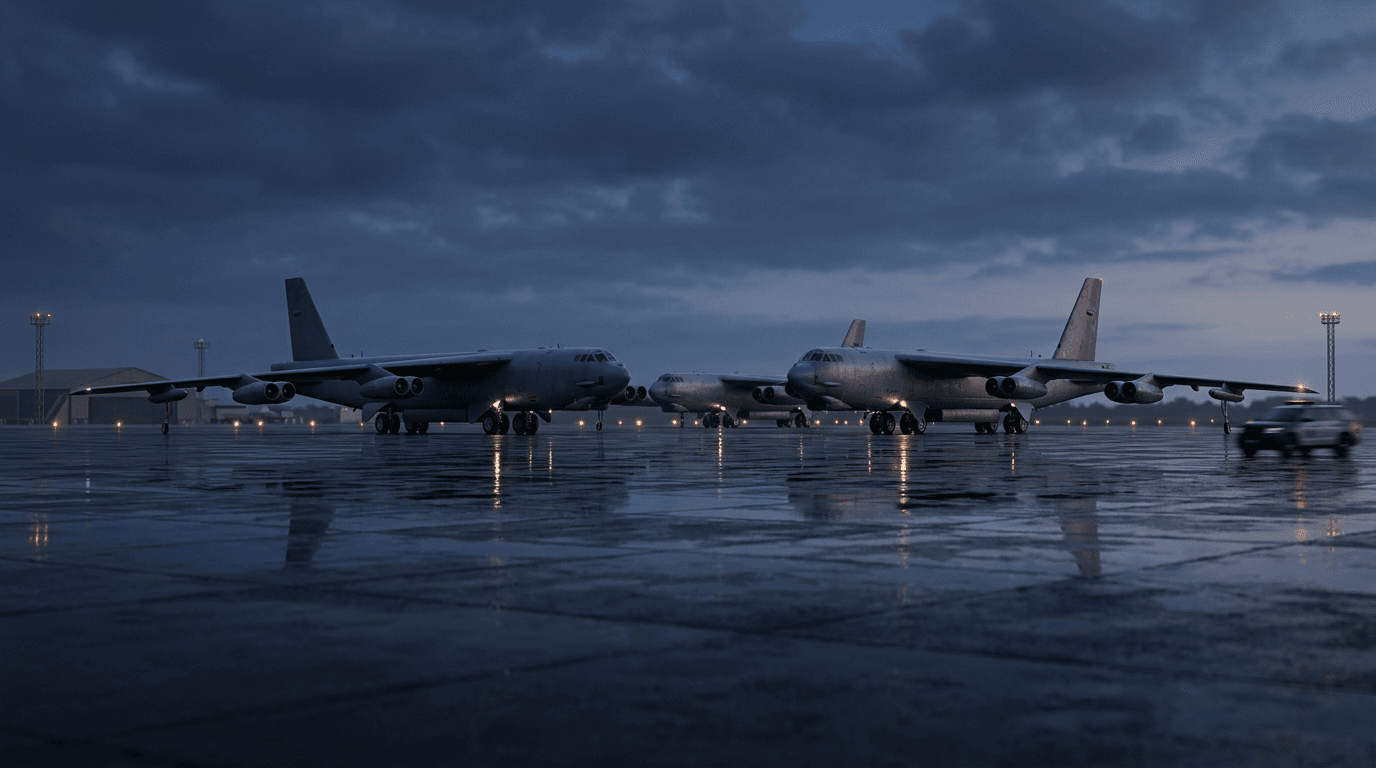
By framing the agreement as a memorandum of understanding, the Trump administration appears to be balancing domestic and international pressure to avoid a total regional collapse with the need to maintain a credible military threat. Trump defended the move against critics who favor immediate and continuous strikes, arguing that a full-scale war at this juncture could lead to a global economic disaster and the destruction of the Middle East, including Israel. However, by setting a 60-day deadline, the administration signals to Tehran that the current relief from American B-2 bombers and other kinetic assets is not indefinite.
Outlook for the Northern Front
For Israel, the President's remarks highlight a complex dual-track reality. While the IDF continues high-intensity operations against Hezbollah infrastructure in Lebanon—including recent strikes in Tyre and the Dahiyeh—the U.S. is exerting pressure to calibrate the intensity of these operations. The coming 60 days will be critical in determining whether the diplomatic track can produce a verifiable shift in Iranian behavior or if the region will return to a state of direct, high-intensity American military intervention.
3 developments
- US official says MOU signed but either side can withdraw until binding deal
- IDF may cut pre-draft service year and extend yeshiva students' service amid fighter shortage
- Source: Mojtaba Khamenei to sign Iran deal only if Trump provides security umbrella
- Israeli arrested in Cyprus on suspicion of attempted murder