The Lead
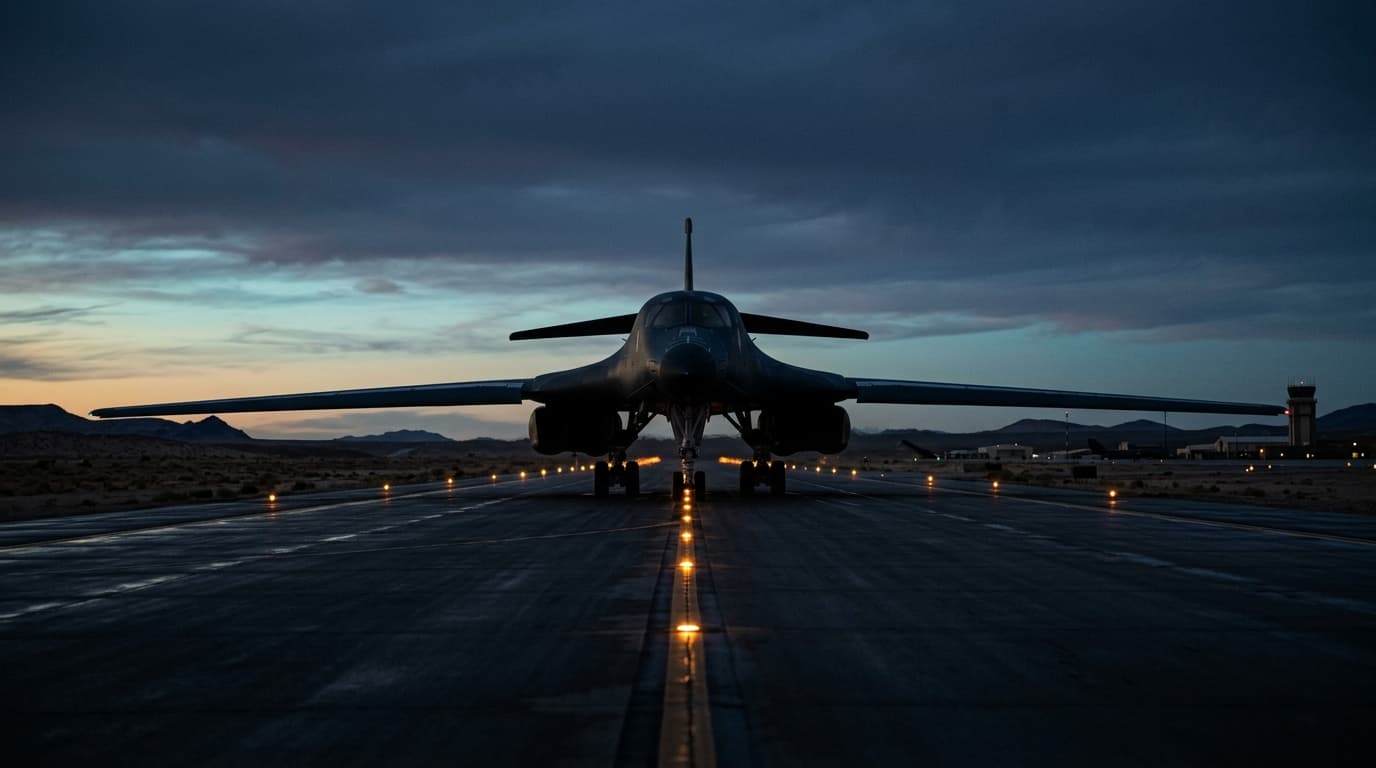
The United States military launched its 13th consecutive wave of airstrikes against Iranian military targets early Friday morning, focusing on Islamic Revolutionary Guard Corps (IRGC) bases across southern and western Iran. Reports indicate the involvement of strategic B-1 bombers in the operation, which US Central Command (CENTCOM) described as an effort to hold Tehran accountable for threats to commercial shipping.
Sustained Aerial Campaign
The 13th wave of US strikes began at approximately 01:45 Jerusalem time (18:45 ET), marking a continued escalation in the direct kinetic confrontation between Washington and the Iranian regime. According to material reviewed by The Zioneer Intelligence Desk, the strikes targeted a wide geographical area, with the most intense activity reported in the strategic hub of Ahvaz. Residents there reported dozens of explosions as aerial assets targeted IRGC infrastructure. Other confirmed strike locations include the port city of Bandar Abbas, Qeshm Island, Jask, Konarak, and Khorramabad.
Strategic Assets and Unverified Claims
Security analysts, including Yair Goldblatt, noted that the scale of tonight's operation appeared exceptionally heavy, with unconfirmed reports suggesting the use of B-1 Lancer strategic bombers to penetrate hardened targets. While the primary focus remained on the southern coast and Khuzestan province, unverified reports also emerged of strikes further inland in Yazd, Firuzabad, and Khandab. In Tehran, the capital's air defense systems were reportedly activated, though no strikes have been confirmed in the city itself.
Competing Narratives
Iranian state-linked channels claimed that their forces successfully hit a US aircraft over Qeshm Island prior to the main wave of strikes. However, no evidence or specific details have been provided to support this claim, and it remains unverified. This follows a pattern of Iranian claims regarding the interception of Western assets during the ongoing campaign.
Strategic Context
This operation follows the collapse of the 'Islamabad' memorandum earlier in July 2026 and the subsequent US naval blockade of the Persian Gulf. The sustained nature of these nightly strikes—now entering their second full week—indicates a US strategy aimed at systematically degrading the IRGC's command and control capabilities and its ability to project power over the Strait of Hormuz. Observers are closely monitoring whether this 13th wave signals a transition toward targeting more sensitive inland facilities or if it remains focused on coastal military infrastructure.
4 developments
- Map expands list of US strike locations in Iran to 14 confirmed sites, nine more unconfirmed
- WSJ: Trump losing patience with Iran, described as in 'revenge mode'
- Hananel Aviv corrects: Launches toward US bases in Jordan were long-range
- Early Friday: Israeli Air Force strikes central Gaza Strip; Palestinian sources report casualties