The Lead
A new report from the Homeland Security Inspector General has revealed that the U.S. Secret Service failed to receive 102 radio transmissions from local law enforcement regarding the gunman before the July 2024 assassination attempt on Donald Trump in Butler, Pennsylvania. The findings, released Friday, also detail a critical failure in the agency's anti-drone defense system, which was offline during the event due to an untrained operator.
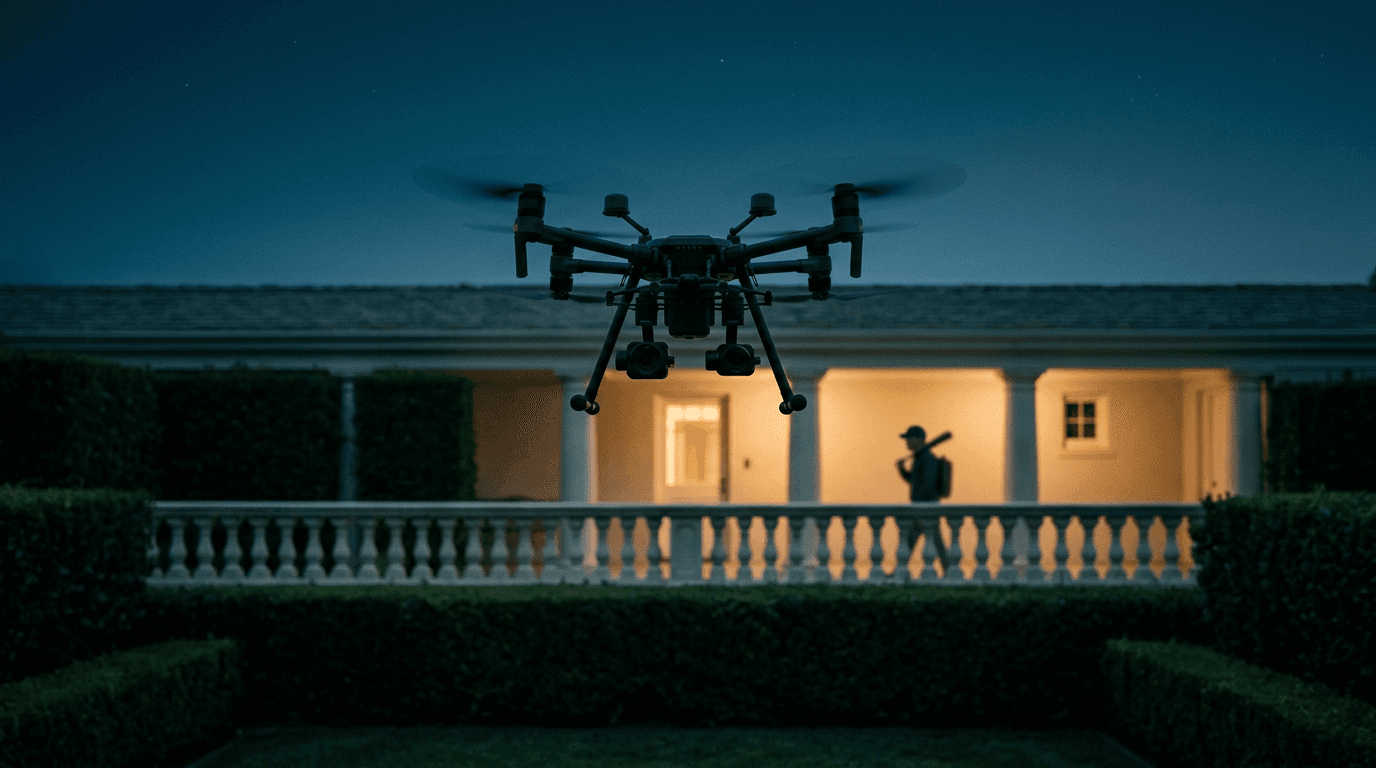
The investigation into the security failures surrounding the July 2024 assassination attempt on Donald Trump has uncovered a massive gap in operational communication. According to the Homeland Security Inspector General, the U.S. Secret Service was not monitoring local radio channels that carried over 100 transmissions concerning a suspicious individual—later identified as Thomas Crooks—who eventually opened fire from a nearby rooftop. ### Communication Breakdown The report indicates that while local law enforcement officers were actively communicating about the presence and movements of the gunman, this information did not reach the Secret Service's command post effectively. The agency received only five phone calls and three text messages regarding Crooks, missing the 102 radio transmissions that detailed the intensive search. The report states that had the Secret Service been aware of the ongoing search, it would have delayed Trump's speech or removed him from the stage. ### Technical and Training Failures Beyond communication gaps, the watchdog found that the Secret Service's anti-drone system was offline due to a malfunction. The sole operator assigned to the event was reportedly not trained to fix the technical issue. This allowed Crooks to fly a drone over the rally site for nearly nine minutes, approximately two hours before the shooting, to survey the stage and the roof he would later use. ### Analysis and Implications These findings highlight a systemic failure in the integration of local and federal security protocols. The breakdown was not merely physical but informational, as the Secret Service remained unaware of warnings broadcast by local partners. The report serves as a stark reminder of the risks inherent in fragmented security operations and underscores the need for unified communication infrastructures during high-profile events.
3 developments
- Analysis questions IDF's 'about 10 Hezbollah targets' claim in Friday strike
- Naftali Bennett: I am in a sharp dispute with Gadi Eisenkot over the Fayyad plan
- Maj. Gen. (res.) Tamir Heyman: Israel must not abandon the arena; assessment that Iran will lie further
- First Haredi cadets complete initial officers course in Hasmonean Brigade