The Lead
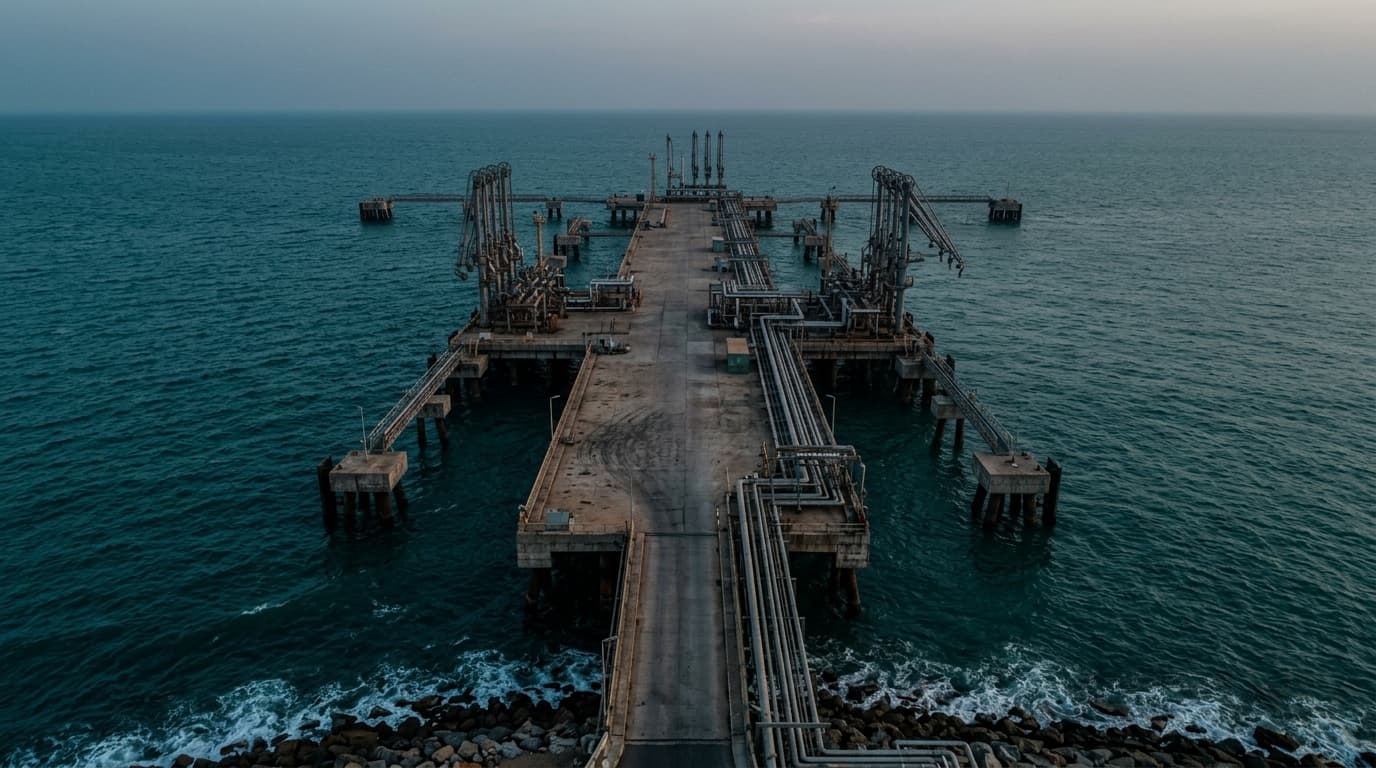
Radar imagery from August 1 indicates that all three oil export terminals on Iran's Kharg Island are currently empty, according to maritime data firm Windward. The report highlights a significant disruption in Iranian energy exports, with the western terminal remaining idle for 14 consecutive days and the LNG terminal for five, as a U.S.-led naval blockade continues to exert pressure on the Islamic Republic's primary revenue source.
The latest maritime intelligence suggests a tightening of the economic constraints on Tehran. According to Windward, the total absence of vessels at the Kharg Island terminals—the gateway for the vast majority of Iranian crude exports—reflects the ongoing impact of the maritime blockade. While the western terminal has seen no activity for two weeks, the nearby holding area has seen an increase in 'dark' vessels. Reports indicate that 19 tankers are currently stationed near the island with their Automatic Identification Systems (AIS) disabled, an increase from 17 tankers reported just two days earlier.
Context of the Blockade
Kharg Island has long been a focal point of the kinetic and economic confrontation between Washington and Tehran. As The Zioneer has previously reported, the U.S. naval blockade has periodically slashed Iranian exports by up to 85%, reducing daily outflows from 2 million barrels to approximately 300,000. This pressure follows the cancellation of U.S. sanctions waivers and a series of maritime incidents in the Persian Gulf, including the seizure of tankers attempting to bypass the blockade. The use of 'ghost fleet' tactics—where tankers disable transponders to avoid detection—has become a standard Iranian response to these restrictions.
Analysis and Outlook
The current vacancy at the terminals suggests that even these 'dark' maneuvers are facing increased difficulty. The rise in idle tankers with disabled AIS indicates a growing backlog of oil that cannot be safely or legally moved to international markets. For Israel and regional security, the continued suppression of Iranian oil revenue is a critical factor in limiting the financial resources available to the IRGC and its regional proxies. Observers should monitor whether this halt leads to further Iranian attempts to challenge the blockade through kinetic means in the Strait of Hormuz, a tactic Tehran has employed during previous periods of high economic distress.
- Al-Arabiya: Statement on Opening of Strait of Hormuz Expected Within Hours
- Report: Senior Trump official leaked rejected Iran strike plan; Israeli intelligence was unaware
- Times of Israel analysis argues Israel is 'boxed in' by Trump's pursuit of flimsy agreements
- Police seek 5-day remand extension for suspect, present video of incident