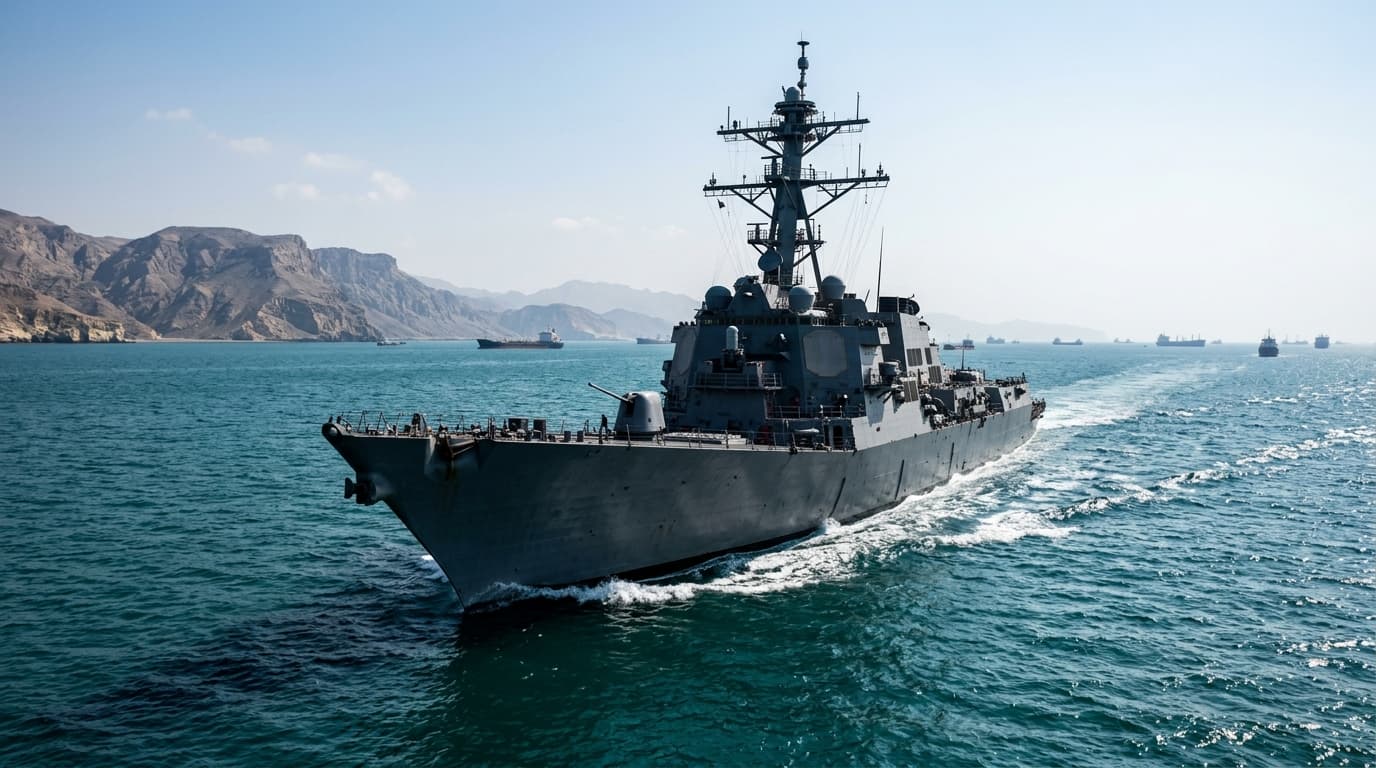
According to an analysis by Abu Saleh, the Arab Desk, President Trump's four stated objectives regarding Iran — preventing nuclear weapons, eliminating ballistic missiles, destroying the navy, and cutting off proxies — have largely not been achieved. The assessment notes that while the Strait of Hormuz is now under US control, the "big money" issues of nuclear and missile capabilities remain unresolved.
Abu Saleh, a commentator at the Arab Desk, published an assessment late Monday night analyzing the Trump administration's strategic objectives in the Iran campaign. The analyst argues that the four core goals laid out by the President at the outset — preventing an Iranian nuclear weapon, eliminating ballistic missile capabilities and production infrastructure, destroying the navy and maritime strike capabilities, and severing Iran's proxy network — have seen only partial success.
According to the assessment, the nuclear goal is "nonsense" (חרטא בפיתה), the ballistic missile campaign had some impact but remains far from its target, the navy was largely destroyed in terms of major vessels but hundreds of lethal small craft remain operational, and the proxy campaign has failed to deter the Houthis, Iraqi militias, and others. The analyst notes that the entire situation now rests on the Strait of Hormuz, which he describes as having "fallen from the sky" into US hands — a reference to the Trump administration's recent assertion of full control over the waterway, as The Zioneer reported on August 3.
Abu Saleh concludes by posing a rhetorical question: what will happen when Trump moves to the "big money" issues — nuclear weapons, ballistic missiles, and proxies? The analysis suggests that the current military gains have not yet translated into a strategic resolution of the core threats.
Source and signal
A single-sourced dispatch is never rated Confirmed or Strong. Its Signal strengthens only when a second, independent source corroborates it.
- Open-source intake