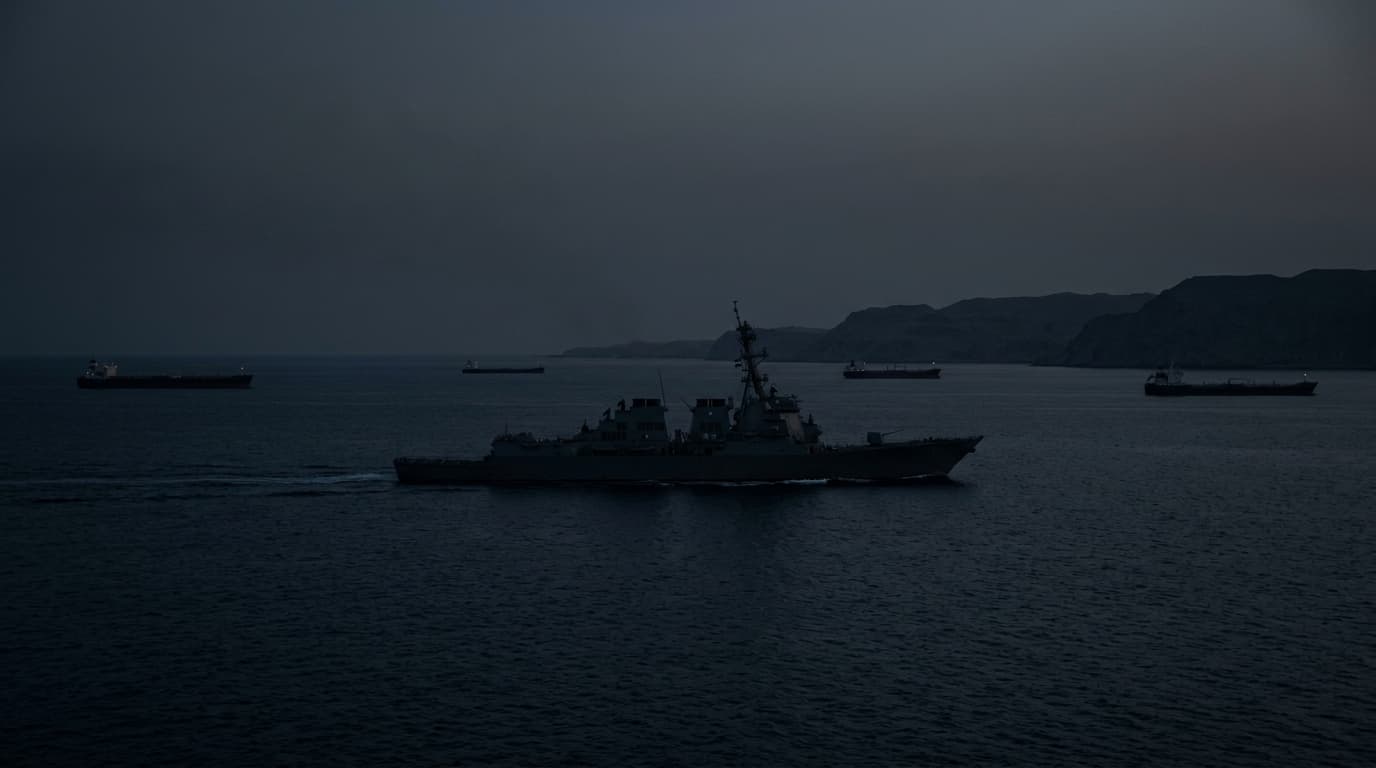
U.S. Treasury Secretary Scott Bessent said in a CNBC interview that President Trump's threat of a major military operation brought the Iranian regime to the negotiating table. Bessent stated there is a possibility of reaching an agreement within 1-2 days to reopen the Strait of Hormuz and reduce tensions, adding that U.S. pressure has significantly degraded Iran's military capabilities, including its navy, missile arsenal, and missile production capacity.
U.S. Treasury Secretary Scott Bessent stated in a CNBC interview Tuesday that President Donald Trump's threat to conduct one of the largest military operations since World War II against the Iranian regime paved the way for the start of negotiations with Tehran. Bessent said the pressure led both sides to talks, and there is now a possibility of reaching an agreement within one to two days to reopen the Strait of Hormuz and move toward de-escalation.
Bessent also asserted that as a result of U.S. pressure, a significant portion of Iran's military capability has been damaged, including its navy, missile arsenal, and especially missile production capacity. He added that any reduction in tension in the Persian Gulf could benefit the global economy.
The remarks come amid ongoing U.S. military operations against Iran, which have included strikes and a naval blockade. As The Zioneer has reported, Bessent previously warned that Iran would 'lose the zero-sum game' and that any damage to Gulf allies would be paid from Iranian accounts. The possibility of a near-term agreement to open the Strait of Hormuz would mark a significant shift in the conflict, though no formal deal has been announced.
- StrongTrump: US and Iran close to 60-day ceasefire deal, Strait of Hormuz to reopen
- DevelopingUS Treasury Secretary: Iran deal could be signed by early next week
- DevelopingTrump: Without a deal, US military actions could shut Hormuz for extended period
- DevelopingUS Treasury Secretary Bessent warns Iran will lose the zero-sum game
Source and signal
- Open-source intake