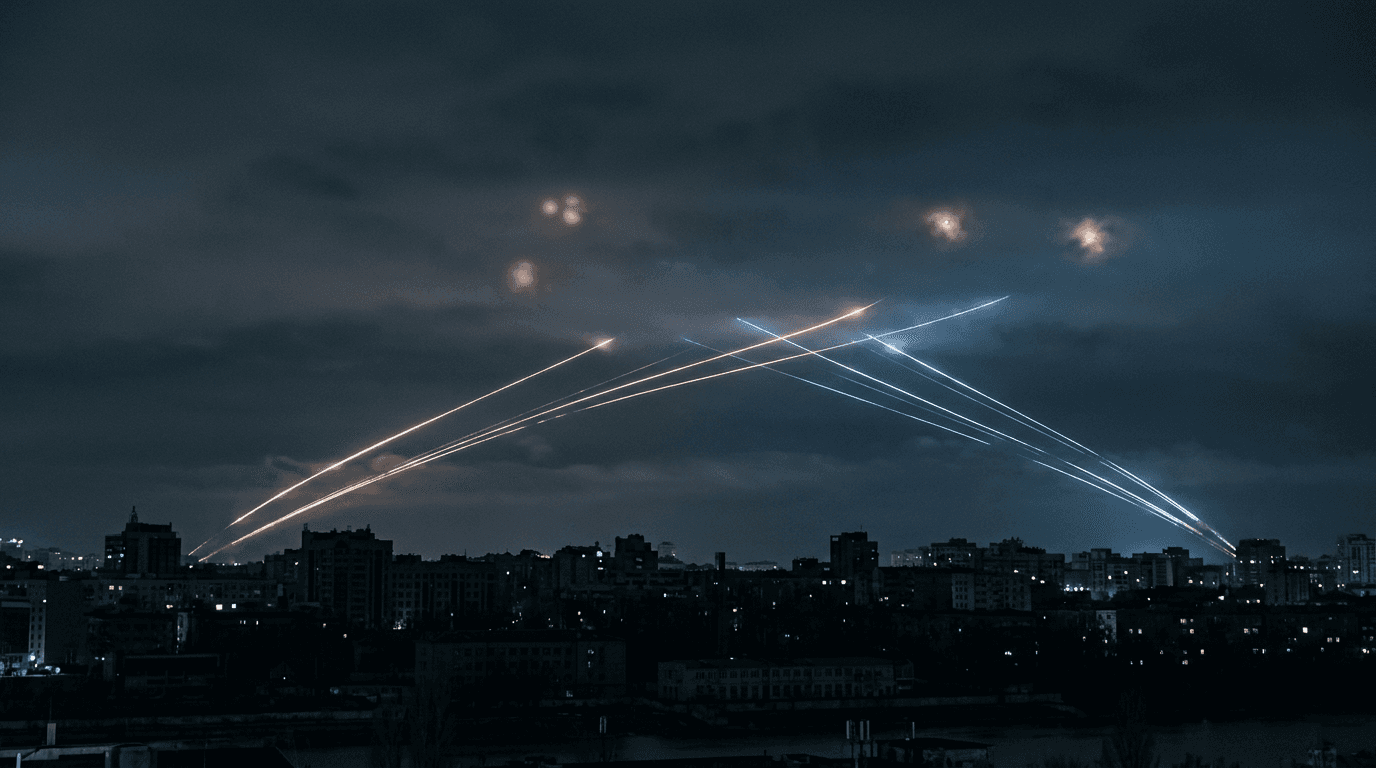
A Ukrainian Mi-8 helicopter crashed near Poltava while on a mission to intercept Russian drones, killing all four crew members, according to a single-source report. The crash occurred during an active interception effort against Russian UAVs.
A single unverified report indicates that a Ukrainian Air Force Mi-8 helicopter crashed near Poltava in central Ukraine around 19:00 Jerusalem time (19:00 local) on Monday, while engaged in intercepting Russian unmanned aerial vehicles. All four crew members — reportedly pilots — were killed in the crash.
The report, which has not yet been corroborated by official Ukrainian or Russian sources, comes amid a sustained Russian aerial campaign against Ukraine. The Zioneer has previously reported on multiple aircraft losses on both sides of the conflict, including the crash of a Ukrainian MiG-29 in the Khmelnytskyi region on June 16 and a Russian Tu-22M3 bomber crash near Irkutsk on the same day. The Mi-8 is a widely-used Soviet-era utility helicopter employed by Ukrainian forces in various roles, including electronic warfare and drone interception.
No further details on the type of drones being intercepted, the exact location, or the cause of the crash have been reported. The claim remains unconfirmed and attributed to a single source.
- StrongTwo Ukrainian drones reportedly downed near passenger aircraft over Moscow region
- DevelopingUkrainian drone reportedly shot down near entrance to Crimea
- Strong9 killed in Russian drone and missile attack on Kyiv overnight
- DevelopingUkrainian Su-24M bomber crashes in Khmelnytskyi region; crew killed
Source and signal
A single-sourced dispatch is never rated Confirmed or Strong. Its Signal strengthens only when a second, independent source corroborates it.
- Internal intake