The New York Times reports that Iran's de facto leader Mojtaba Khamenei approved the final MOU text on Saturday and instructed parliament speaker Mohammad-Bagher Ghalibaf to bring it to a vote in the Supreme National Security Council, which approved it despite at least two hardliner objections. After Israel's Sunday strike on the Dahiyeh, missiles were placed on launchers along Iran's western border and Tehran ordered launches toward Israel around 01:00. The report cites Iranian officials angered by the strike who told Qatari mediators they intended to attack Israel and freeze the MOU, while President Pezeshkian, Foreign Minister Araghchi and Ghalibaf argued the strike was a Netanyahu trap.
The New York Times on Thursday evening published a detailed account of high-stakes internal Iranian deliberations surrounding the US-Iran memorandum of understanding (MOU), citing unnamed Iranian officials and mediators. According to the report, the document's final text was approved on Saturday (June 13) by Mojtaba Khamenei — the son and de facto successor of Supreme Leader Ali Khamenei — who directed parliament speaker Mohammad-Bagher Ghalibaf to bring it to a vote in the Supreme National Security Council. The council approved the MOU, though at least two hardline members opposed.
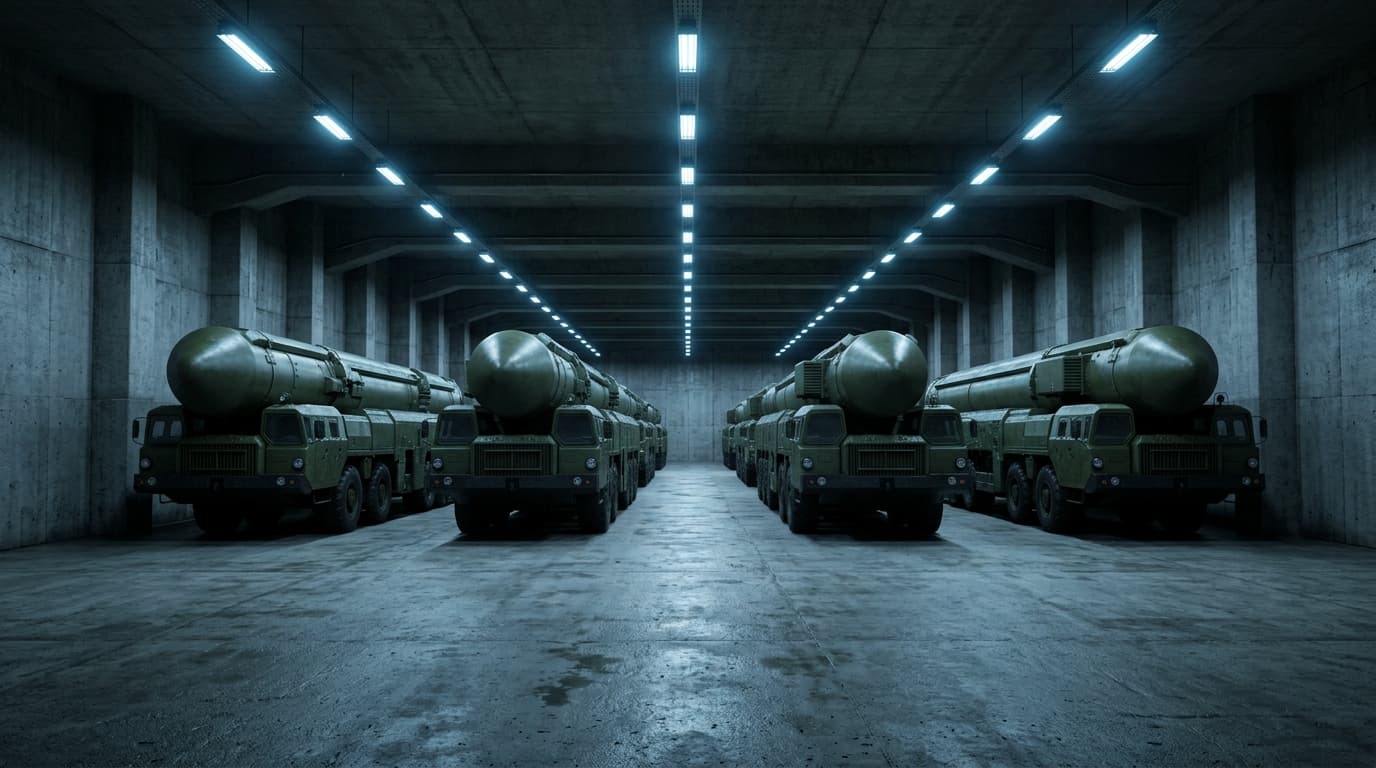
The calculus shifted dramatically after Israel carried out a strike in the Dahiyeh district of Beirut on Sunday (June 14). As The Zioneer has reported, that strike triggered an immediate escalation in Iran's readiness posture. The NYT report states that missiles were placed on launchers along Iran's western border and that orders from Tehran called for launches toward Israel around 01:00 local time. Senior Iranian officials, angered by the Israeli operation, informed Qatari mediators that they intended to attack Israel and freeze the MOU signing.
Qatar intervened to dissuade Foreign Minister Abbas Araghchi and Ghalibaf, warning that an attack would play into the hands of MOU opponents. A split within Iran's leadership emerged: President Masoud Pezeshkian, Araghchi, and Ghalibaf argued that Prime Minister Netanyahu was setting a trap to drag Iran into escalation and collapse the deal, while the hardliners pushed for retaliation. At one point Iran sought last-minute changes to the MOU text, but Qatar refused. As debates dragged on, the Qataris warned Tehran it risked losing President Trump's patience.
The report underscores that the MOU was not merely a diplomatic document but had already triggered military preparations and an internal crisis of decision-making. Several claims in the NYT report — particularly regarding the precise timeline of missile deployment and the exact content of negotiations — are attributed to anonymous sources and remain unverified by independent outlets as of this bulletin. The account nonetheless paints the most detailed picture yet of the volatile intersection between the Dahiyeh strike and the final stages of the US-Iran accord.
- DevelopingIran International: contact cut with Supreme Leader Khamenei since last night, Tehran's missile attack on Israel reportedly launched without his coordination
- DevelopingMojtaba Khamenei: Iran and US have signed a memorandum of understanding
- DevelopingAnalyst: Dahiyeh strike became strategic catalyst for Iran war-ending deal
- DevelopingMojtaba Khamenei: Trump signed Iran MOU 'out of desperation'
Source and signal
- Open-source intake