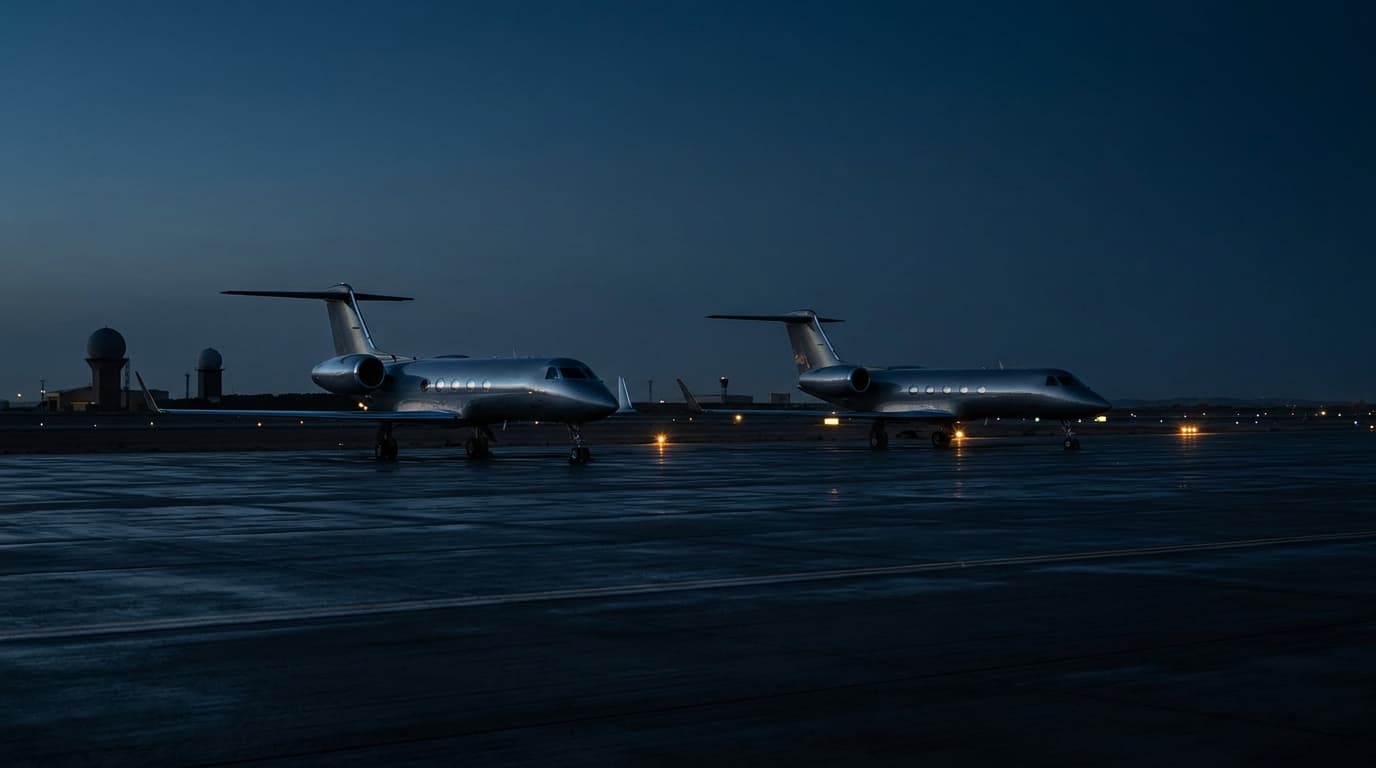
Both of Saudi Arabia's two Saab 2000 AEW&C (AWACS) aircraft are currently airborne, one in the north and one in the south, according to reports. The deployment likely positions the aircraft to monitor separate threats: rockets from Iran-backed militias in Iraq to the north and Houthi drones and missiles from Yemen to the south. Saudi Arabia operates only two such aircraft, meaning the entire fleet is now active.
Both of Saudi Arabia's two Saab 2000 AEW&C (AWACS) aircraft are currently airborne, one operating in the north and one in the south — representing the activation of the entire fleet. Reports indicate that the northern aircraft is likely monitoring rocket threats from Iran-backed militias in Iraq, while the southern counterpart is tracking Houthi drone and missile threats from Yemen.
The deployment follows weeks of heightened tensions. As The Zioneer has previously reported, Houthi forces and Iraqi Shia militias backed by Iran have conducted coordinated strikes against Saudi energy infrastructure, including the Abqaiq oil processing facility. In late July, Iraqi militias joined Houthi operations for the first time, firing drones from Iraqi territory toward Saudi oil targets. The Saudi Air Force has been operating under sustained alert, with recent interceptions of drones and missiles from both fronts.
Activating both AWACS aircraft simultaneously is a significant step, as Saudi Arabia maintains only two such platforms. The Saab 2000 AEW&C, equipped with the Erieye radar system, provides airborne early warning and command-and-control capabilities. Having both airborne at once indicates the kingdom's perception of a simultaneous, multi-directional threat scenario.
No further details on specific interceptions or engagements have been reported at this time.
Source and signal
A single-sourced dispatch is never rated Confirmed or Strong. Its Signal strengthens only when a second, independent source corroborates it.
- Open-source intake