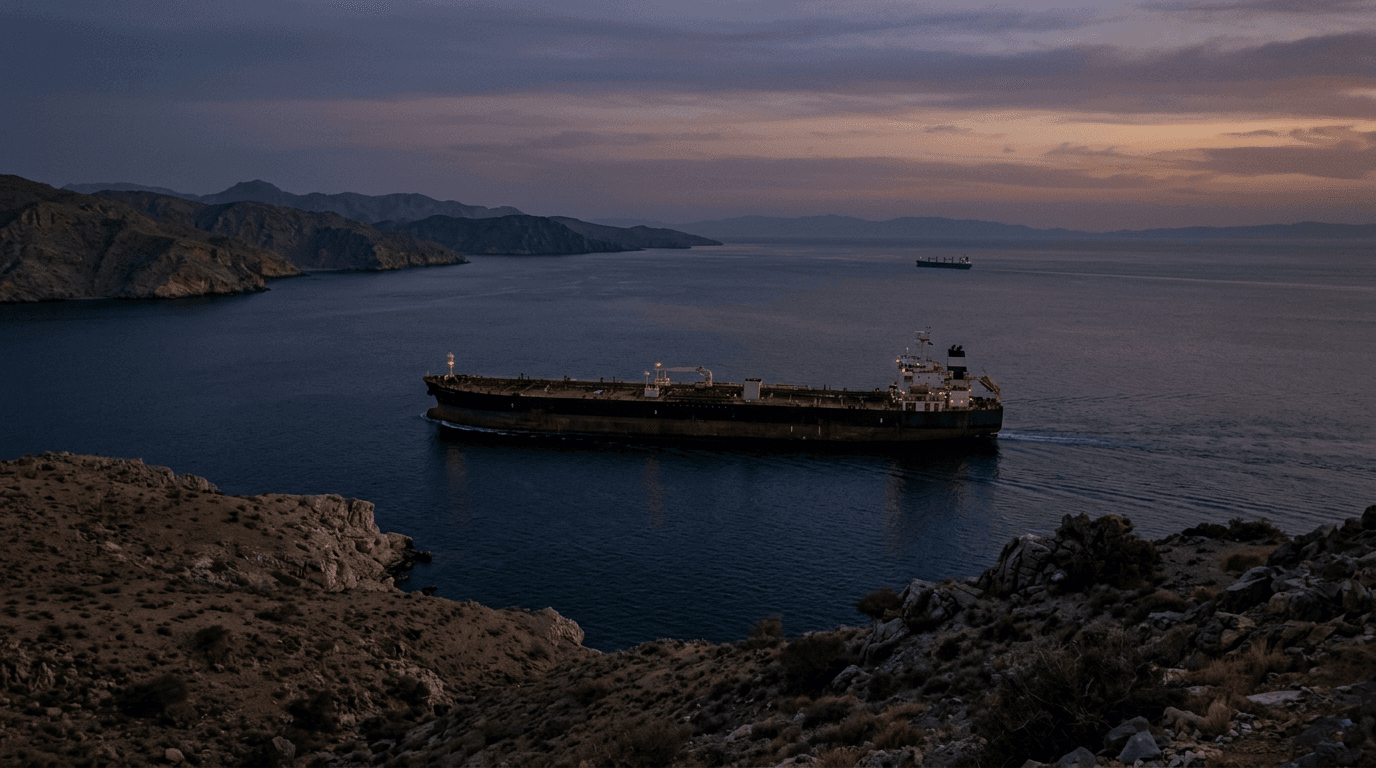
Senator Lindsey Graham shifted his stance Wednesday evening, expressing openness to signing a Memorandum of Understanding with Iran after a conversation with US envoy Steve Witkoff. Graham, previously skeptical of the MOU and considered a hawk on Iran, argued the economic stability from reopening the Strait of Hormuz and ending hostilities could create a path to peace far beyond the Iran conflict.
Senator Lindsey Graham (R-SC) issued a statement Wednesday evening expressing openness to the emerging US-Iran MOU, citing a phone conversation with US Special Envoy Steve Witkoff. Graham argued that economic stability from reopening the Strait of Hormuz and ending hostilities could create a path to broader regional peace. This marks the latest turn in a rapid sequence of reported shifts: earlier Wednesday evening, Israeli media reported that Graham had fully reversed his stance to support the MOU after the call with Witkoff — a shift that came after President Trump warned Graham on Tuesday (15:45 Jerusalem) that he would be in "big trouble" over his skepticism.
The Zioneer first reported on Graham's evolving posture Tuesday (19:21 Jerusalem), when he expressed optimism about US-Iran talks and framed a potential deal as a path to peace via expanded Abraham Accords. By Wednesday evening (21:18 Jerusalem), Graham had written that signing the MOU could be beneficial, citing the potential to open the Strait of Hormuz and end hostilities. The thread shows a progression from general optimism to conditional openness to reported full endorsement — with Trump's warning interleaved on Tuesday afternoon. The corroboration has moved from Graham's own written statements to a reported interview with Israel's Channel 12, though no on-record confirmation from Graham's office beyond his initial written remarks has been published at this hour.
As The Zioneer reported Sunday (June 14, 07:47 Jerusalem), Israel Hayom reported that Trump's push for the MOU is driven by economic concerns over the Strait of Hormuz, and that Israel — though displeased — has refrained from public criticism. Trump affirmed Monday (00:30 Jerusalem) that Prime Minister Netanyahu is "on board" with the deal. Graham's shift thus signals growing US political momentum behind the MOU, even as Israeli commentators continue to debate its implications.
Graham has not released the full text of his statement. It remains unclear whether his expressed support includes specific conditions regarding verifiable nuclear restrictions — a point he himself flagged as uncertain in his earlier written remarks.
5 developments
- ConfirmedIran's Tasnim adds details on US-Iran MOU: last-minute changes, Hormuz opening delayed
- DevelopingSenator Graham: Stop restraining Israel, US should use military force if Iran does not sign deal immediately
- ConfirmedU.S. and Iran reportedly near agreement on nuclear freeze, sanctions relief, and Strait of Hormuz reopening
- StrongIranian source: Strait of Hormuz reopening to begin Friday after MoU signing
Source and signal
- Internal intake