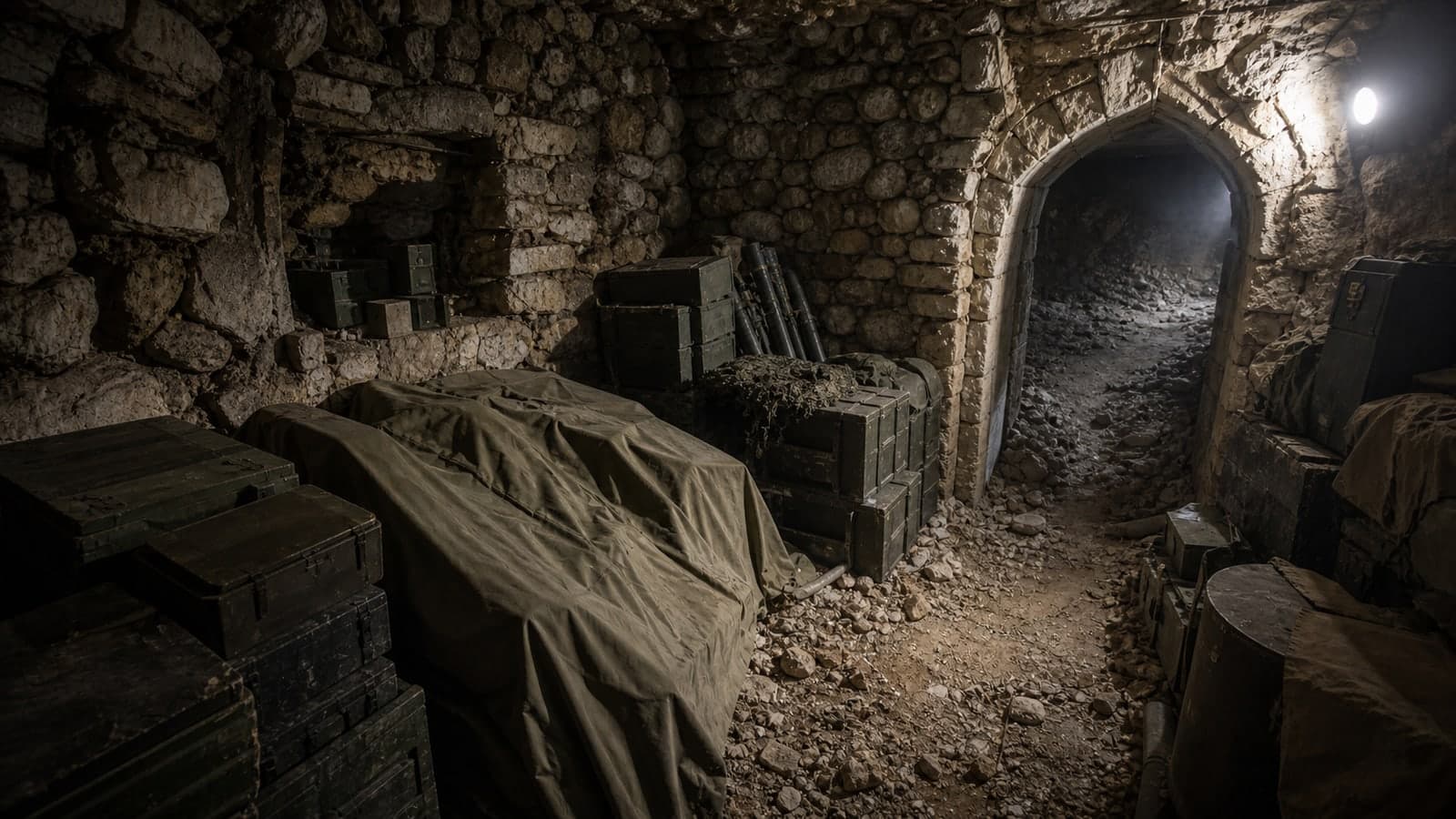
In a commentary, The Zioneer highlights the double standard of UNESCO, which remained silent while Hezbollah turned the 900-year-old Beaufort Castle in southern Lebanon into a military asset near Israel's border, but found its voice once Israel moved against the threat. The piece argues the pattern reflects a broader bias against Israel.
The Zioneer published a commentary Wednesday midday criticizing UNESCO for its inconsistent response to Hezbollah's exploitation of the historic Beaufort Castle in southern Lebanon. The piece notes that the 900-year-old fortress, a UNESCO World Heritage candidate, was used by Hezbollah as a military position near Israel's border, with minimal international scrutiny. Once the IDF moved against the threat, UNESCO reportedly issued statements condemning the Israeli action, drawing accusations of a double standard.
The commentary follows a series of The Zioneer reports on the Beaufort Castle area. On June 13, the IDF released footage of a Hezbollah weapons cache seized at the castle, including anti-aircraft machine guns. On June 27, the IDF announced it had reasserted control of the site and would remain. Earlier this month, IDF Chief of Staff Lt. Gen. Eyal Zamir visited the castle, toured a Hezbollah tunnel network, and called on the Lebanese army to clear the area of Hezbollah fighters.
The Zioneer's editorial frame argues that this pattern — terror groups using protected sites, international bodies staying silent, then blaming Israel for responding — is a recurring double standard that undermines the credibility of institutions like UNESCO. The piece does not provide new operational details but offers a perspective on the broader diplomatic context.
Source and signal
A single-sourced dispatch is never rated Confirmed or Strong. Its Signal strengthens only when a second, independent source corroborates it.
- Internal intake