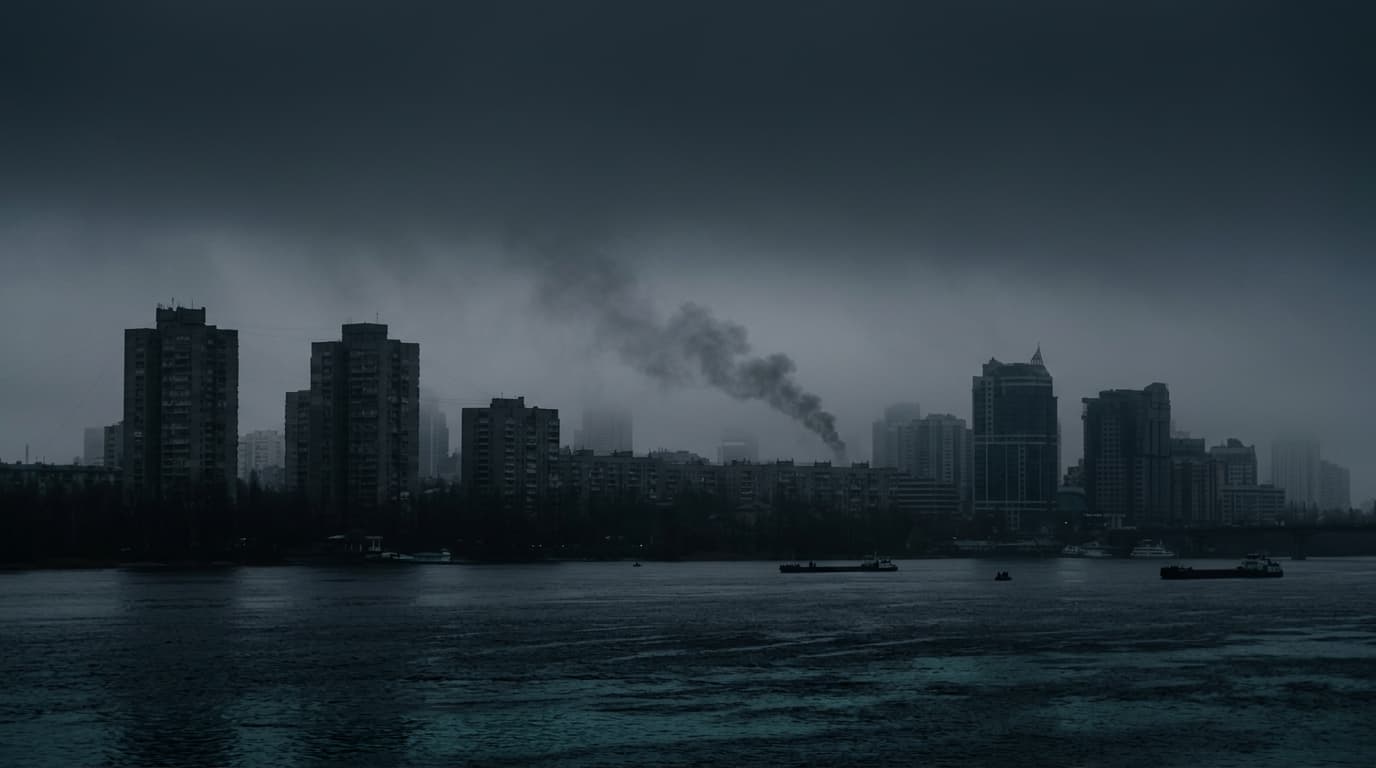
Ukraine's large-scale drone attack on Moscow is ongoing with additional waves reported, according to Telegram sources. The sources describe large fires and heavy smoke at multiple locations in and around the Russian capital. Interception and casualty figures have not yet been reported.
The Ukrainian attack on Moscow reported since the early hours of Thursday continues, with new waves of drones still arriving over the capital, according to reports circulating on Telegram.
The current drone waves follow a same-thread bulletin The Zioneer published earlier today (09:18), which reported that all Moscow airports had grounded flights amid the initial Ukrainian drone attack. A separate same-thread bulletin from 09:47 reported a strike on an oil refinery that had been hit days earlier.
This latest update indicates the attack has not concluded, as fresh drone waves continue to strike targets in the Moscow area. The reports mention large fires and heavy smoke at multiple locations, though specifics on the number of drones, interception rates, or casualties have not yet been provided. The sources are single-channel Telegram reports and remain unverified by independent media.
5 developments
- DevelopingUkraine launches largest drone attack yet on Moscow, sources say
- DevelopingRussia says hundreds of Ukrainian drones targeted Moscow, grounding airports
- DevelopingLarge Ukrainian drone attack targets Crimea infrastructure overnight
- DevelopingRussia strikes Kyiv with missiles and drones overnight
Source and signal
- Internal intake