The Lead
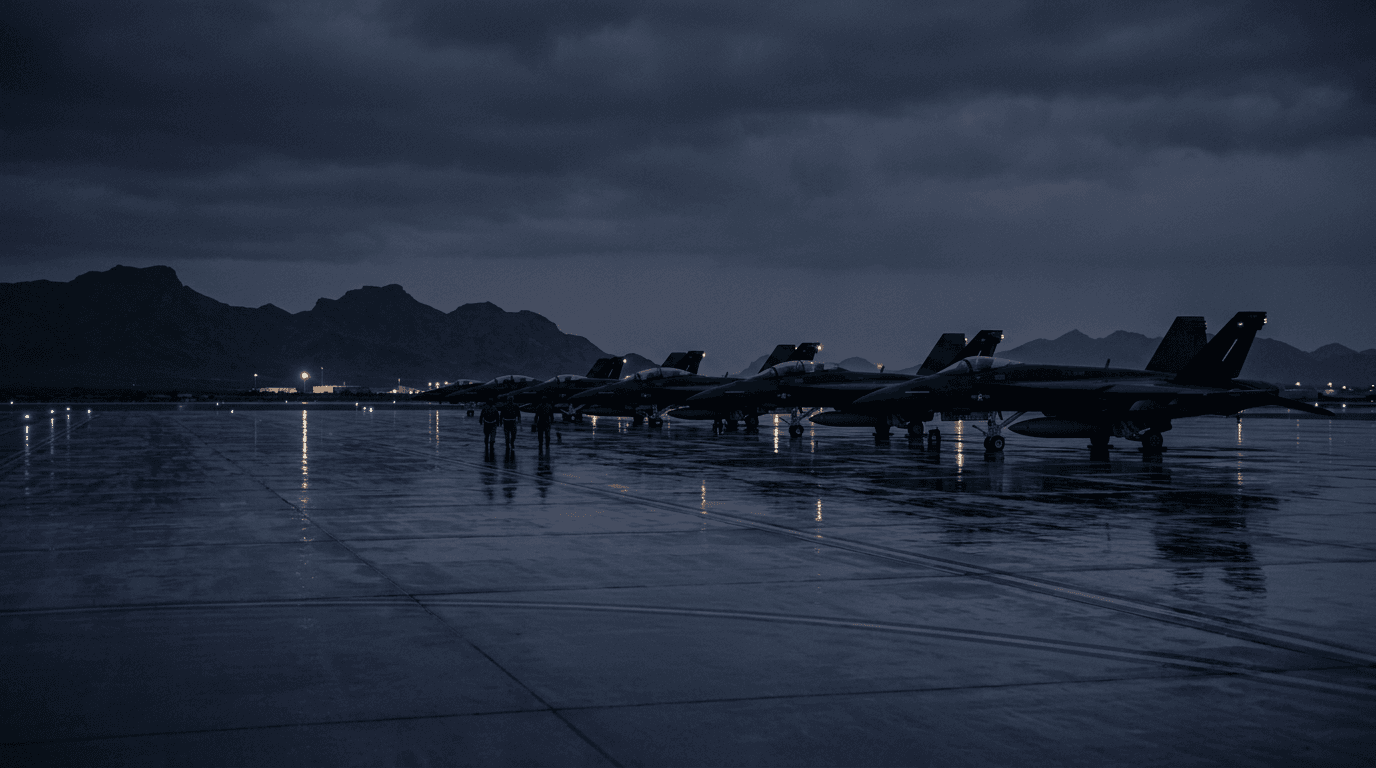
U.S. Central Command (CENTCOM) launched a new wave of strikes against targets in Iran at 22:00 Jerusalem time on Friday, marking the seventh consecutive night of American military operations in the country. According to CENTCOM, the strikes are being conducted under the directive of the commander-in-chief to further degrade Iran's military infrastructure and capabilities.
U.S. Central Command initiated its latest round of aerial operations tonight at 15:00 ET (22:00 Jerusalem), extending an intensive week-long air campaign. This seventh night of strikes follows a series of previous operations that have targeted coastal radar systems, air defenses, and naval assets across various Iranian locations.
Context of the Campaign
The current escalation follows a week of sustained American military pressure. Prior reports from The Zioneer Intelligence Desk have documented strikes on critical Iranian military hubs, including Bushehr, Bandar Abbas, and sites in the Khuzestan and Kurdistan regions. These operations were launched in response to regional tensions and specific provocations, including attacks on maritime traffic and U.S. regional interests. As of earlier this week, the U.S. deployment in the Middle East was estimated at approximately 50,000 service members.
Analysis and Objectives
CENTCOM’s stated objective remains the degradation of Iran's ability to project force and threaten regional stability. While the specific targets of tonight's wave have not yet been detailed, previous nights have focused on precision strikes against drone launch sites and missile infrastructure. The repetitive nature of these strikes—now occurring for seven nights without pause—suggests a systematic effort to dismantle Iranian defensive and offensive layers rather than a singular retaliatory act.
Outlook
The situation remains developing as the extent of tonight's damage and any potential Iranian response are assessed. The continuation of strikes into a seventh night indicates that the U.S. administration is committed to a prolonged period of military pressure. Observers are monitoring for signs of further regional escalation, particularly following earlier reports of Iranian retaliation against neighboring states hosting U.S. assets.
2 developments