The Lead
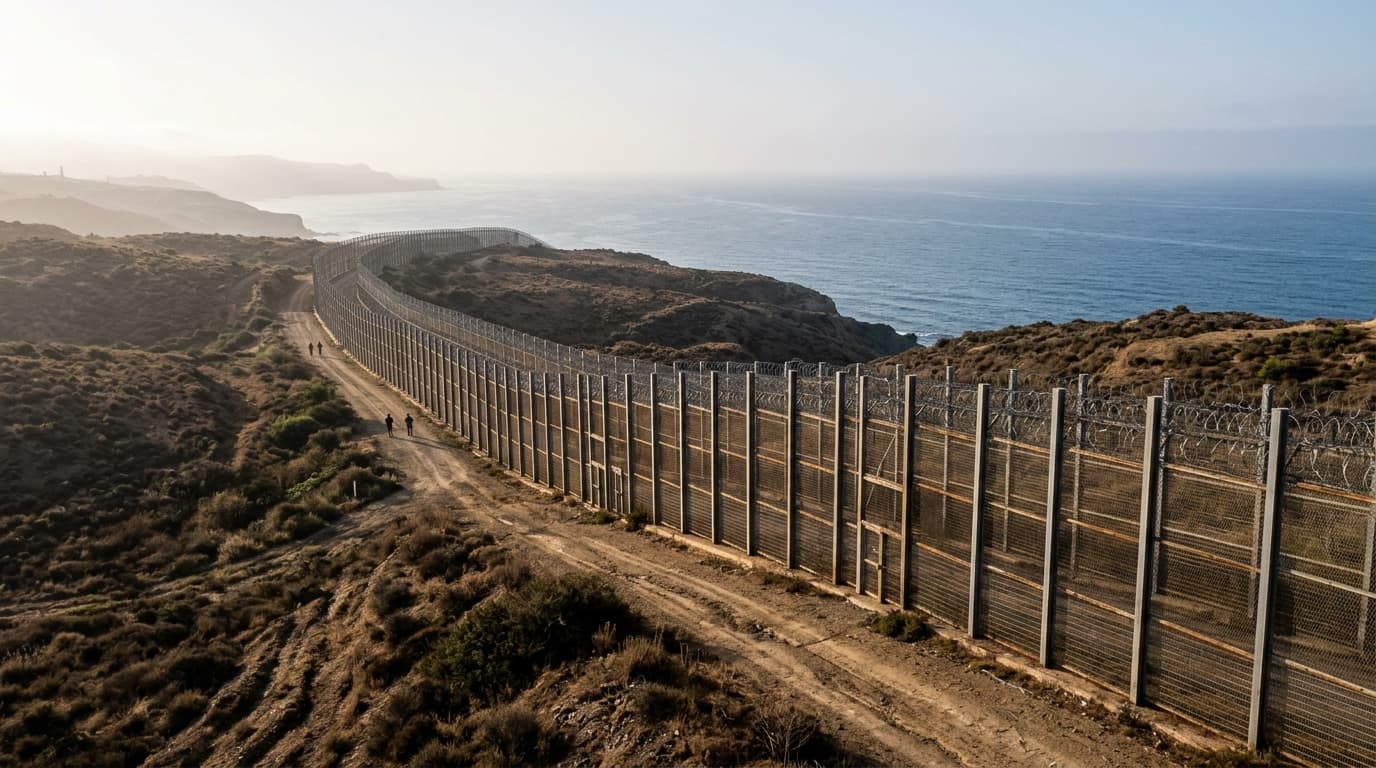
Spanish authorities reported Friday evening that approximately 48,300 of the estimated 50,000 migrants who entered the Ceuta enclave illegally have returned to Morocco. The announcement came as Prime Minister Pedro Sánchez visited the North African territory, condemning the mass influx as a violation of Spain's territorial integrity. The humanitarian cost of the crisis has continued to climb, with the confirmed death toll reaching at least 57 individuals who perished while attempting to cross the border.
The migration crisis in the Spanish enclave of Ceuta has entered a phase of rapid repatriation following a week of unprecedented border instability. According to the Spanish Interior Ministry, the vast majority of those who penetrated the border—estimated at 50,000 to 60,000 people—have now crossed back into Moroccan territory. This mass return follows reports of severe deprivation within the enclave, where local infrastructure was overwhelmed by a population surge of more than 60% in a single day.
Political and Security Response
Prime Minister Pedro Sánchez, facing intense domestic and international pressure, visited Ceuta on Friday to assert Spanish sovereignty. He described the events as a direct challenge to the nation's borders. The visit occurs against a backdrop of significant diplomatic friction; as The Zioneer reported earlier, some European partners, including Italy, have already moved to suspend Schengen agreements with Spain, citing a loss of confidence in Madrid's border management. Within Spain, protesters have held Sánchez personally responsible for the security breach, while local residents in Ceuta described the influx as an "invasion."
Humanitarian Toll and Field Reports
The human cost of the breach is now confirmed at 57 deaths, a sharp increase from earlier estimates. While some fatalities occurred due to the hazardous maritime and land routes, earlier reports also indicated that at least 18 individuals were killed by security forces during the height of the crossing attempts. Migrants who chose to return to Morocco cited "hunger and oppression" within the city, where reception centers were operating at thousands of percent over capacity.
Regional Outlook
While the return of over 48,000 individuals suggests a degree of stabilization, the situation remains fragile. Spanish authorities indicate that approximately 1,800 migrants remain within the enclave. The crisis has highlighted the complexities of European territorial integrity on the African continent and the potential for migration to be used as a tool of regional diplomatic leverage. Madrid continues to coordinate with Rabat on the repatriation of those who have not regularized their status, even as the long-term impact on Spanish-Moroccan relations and EU border policy remains under assessment.
15 developments
- The Zioneer Intelligence Desk
- CBS: US and Israel preparing large-scale strike on Iran's energy infrastructure this weekend
- Report: US-Israel coordinate strike timing to avoid Monday market disruption; Trump yet to approve
- Scholar: Hamas proposal includes 10-year ceasefire, safety for leadership
- Trump: Oil prices dropped when 'we thought we had a deal' with Iran; wants 'real deal'