The Lead
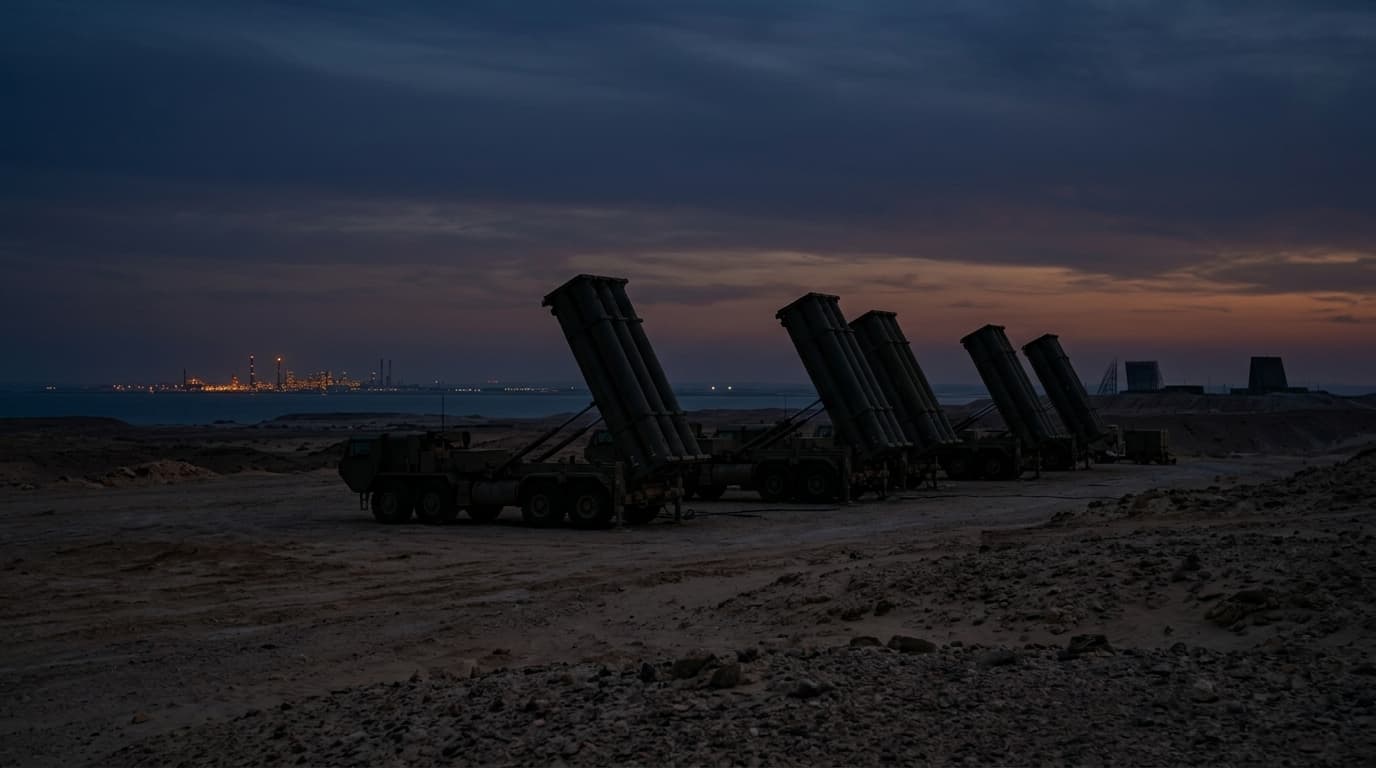
President Donald Trump has ordered the Pentagon to halt a planned wave of strikes against Iranian targets, following urgent warnings from Gulf allies regarding potential retaliation against energy infrastructure and a critical depletion of U.S. missile defense stocks. According to CNN, the U.S. military has exhausted approximately 80% of its pre-war THAAD interceptors and nearly half of its Patriot missile reserves during the ongoing conflict with the Iranian regime.
The decision to pause the air campaign marks a significant shift in the administration's posture toward Tehran. Reports indicate that leaders in the Gulf warned the White House that further major escalations could trigger Iranian strikes against their oil and energy infrastructure. This diplomatic pressure coincides with a stark logistical reality: the high tempo of recent operations has left regional air defenses dangerously short of interceptors.
Interceptor Shortages and Strategic Risk
According to military assessments cited by CNN, the exhaustion of nearly 80% of the THAAD (Terminal High Altitude Area Defense) inventory and 50% of Patriot missiles has altered the risk calculus for U.S. Central Command. The lack of long-range defensive interceptors, combined with a reported shortage of certain attack munitions, means that both offensive and defensive operations have become significantly more costly and risky for U.S. forces stationed in the Middle East.
As The Zioneer reported earlier, this is not the first time logistical constraints have influenced the President's decision-making. In late July, similar warnings regarding the erosion of air defense capabilities led to a temporary freeze on plans to target Iranian coastal radar sites and anti-ship missile launchers. While the President has previously maintained that ammunition stocks were sufficient, the current data suggests a widening gap between political rhetoric and the Pentagon's technical capacity to sustain a high-intensity conflict.
Regional Stability and the Path Ahead
The pause is reportedly intended to mitigate the risk to regional partners who fear being caught in the crossfire of a direct U.S.-Iran confrontation. Despite the current stand-down order, officials emphasize that the option for renewed strikes remains "on the table." The administration appears to be balancing the need to maintain military pressure on the IRGC with the necessity of replenishing critical defensive assets. For now, the focus shifts to whether this operational pause will provide a window for diplomatic channels—which the President has previously signaled an interest in—or if it merely represents a tactical reset while the U.S. military addresses its interceptor shortfall.
2 developments
- Three IDF soldiers in weapon-cocking contest; one seriously wounded by accidental discharge at Jordan Valley base
- Azerbaijan says Israel halted Armenian Genocide recognition after Baku pressure
- Fars: Iran says Hormuz talks only with Oman, no direct US negotiations
- CENTCOM says southern Strait of Hormuz route remains open for all commercial vessels