The Lead
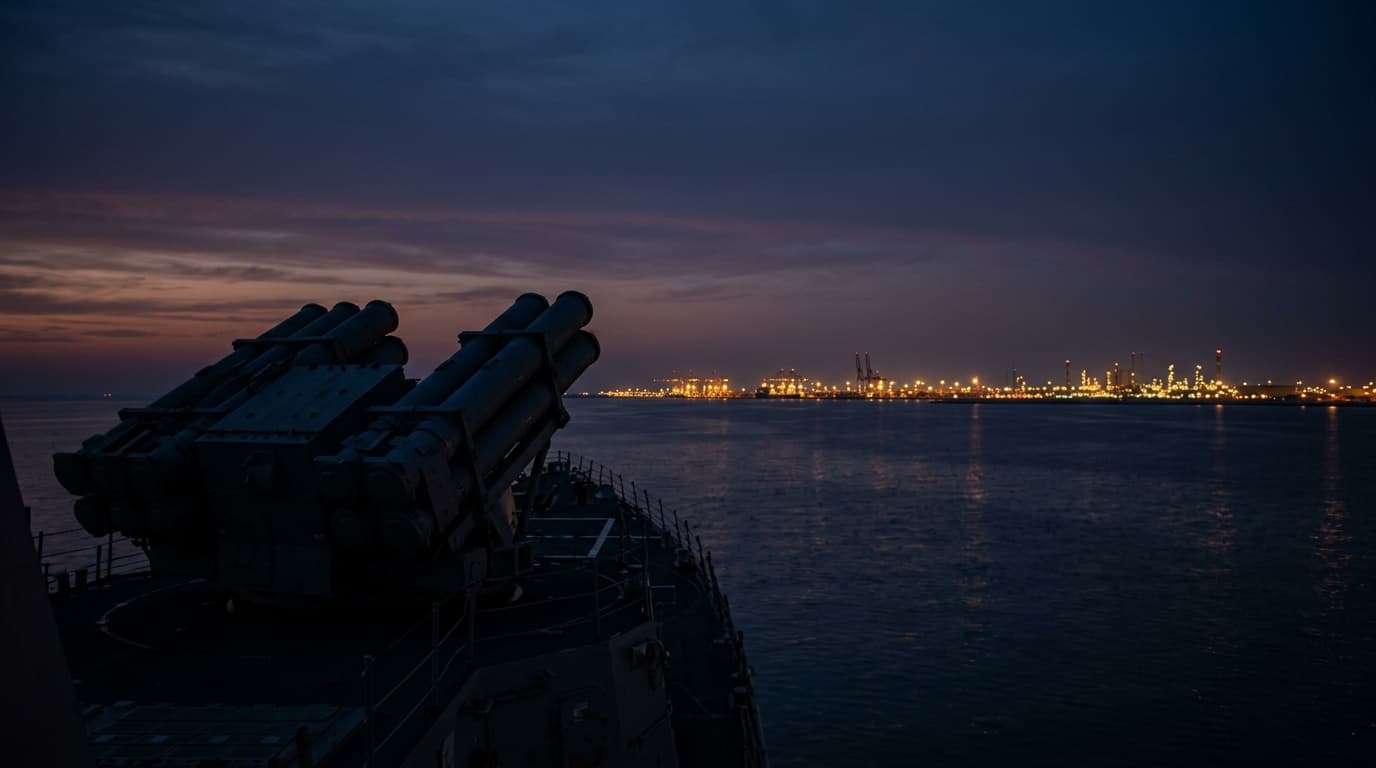
Iran launched a massive aerial assault on Bahrain late Tuesday night, firing more than 30 missiles in what is being described as the largest single attack of the ongoing war. The barrage, which reportedly included Khorramshahr ballistic missiles equipped with cluster warheads, specifically targeted United States military assets and infrastructure within the island kingdom.
The escalation marks a significant intensification of the direct kinetic confrontation between the Iranian regime and U.S. forces in the Persian Gulf. According to reports reviewed by The Zioneer Intelligence Desk, the attack on Bahrain followed a similar missile strike on Kuwait approximately one hour earlier. Residents across Bahrain reported hearing massive, consecutive explosions that caused windows to rattle in several districts, signaling the intensity of the incoming fire.
Advanced Weaponry and Regional Targets
Iranian-affiliated channels have highlighted the use of the Khorramshahr missile during this operation. This specific weapon system is known for its heavy payload capacity; in this instance, reports indicate the use of submunitions or cluster warheads designed to saturate a target area. The primary objective appears to be U.S. strategic assets, which have been under increasing pressure since the collapse of the 'Islamabad' memorandum earlier this month.
Context of the Escalation
This barrage occurs against the backdrop of a reinstated U.S. naval blockade of Iran and ongoing American strikes against military targets in southern Iran. The Zioneer has previously tracked multiple smaller-scale attempts by Iran to target Bahrain and U.S. naval vessels in the region, but the scale of tonight's 30-missile salvo represents a shift toward high-intensity conflict. While Iranian sources are claiming direct hits, the full extent of the damage and the effectiveness of regional air defense systems remain under assessment.
Strategic Outlook
The situation remains highly volatile. The use of cluster munitions against a sovereign Gulf state hosting major U.S. naval facilities—including the headquarters of the U.S. 5th Fleet—places the region on the precipice of a broader conflagration. Observers should watch for a formal U.S. Central Command (CENTCOM) response and potential retaliatory measures against the launch sites in Iran, as the maritime and aerial theater in the Gulf continues to expand.
8 developments
- The Zioneer Intelligence Desk
- Trump: U.S. to hit Iran's power plants and bridges next week if talks fail
- Trump: US will keep Iranian energy targets for last, continue strikes until he says 'enough'
- Trump says his representatives held contacts with Iran today, warns of 'nothing left' if no deal
- New explosions reported in Iran's Khuzestan province