The Lead
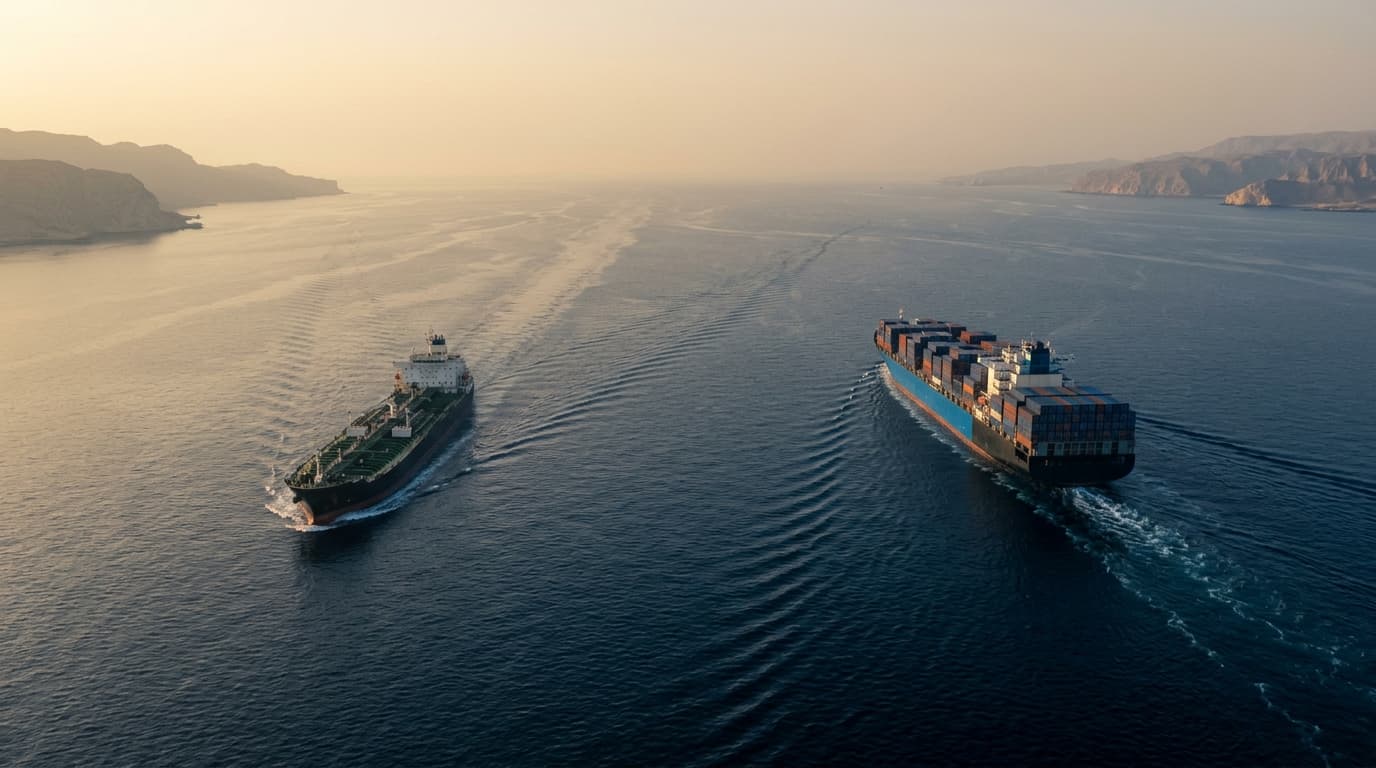
Iranian Foreign Minister Abbas Araghchi agreed overnight to a Qatari-US compromise proposal for reopening the Strait of Hormuz, according to reports citing two diplomats. The proposal establishes a dual-routing system where vessels entering the Gulf pass through Iranian waters while those exiting use Omani waters. This diplomatic progress reportedly influenced President Trump's decision to cancel a planned strike on Iran, though mediators are still working to secure the support of the Islamic Revolutionary Guard Corps (IRGC).
The Compromise Framework
According to details reported by N12, the proposed arrangement for the Strait of Hormuz seeks to resolve the maritime deadlock through a specific geographic division of traffic. Under the terms agreed to by Foreign Minister Abbas Araghchi, the strategic waterway would be managed by routing inbound vessels through Iranian territorial waters, while outbound traffic would be directed through Omani waters. This framework aims to restore the flow of global energy supplies while addressing Iranian claims to sovereignty over the passage.
Internal Iranian Friction
While the diplomatic echelon in Tehran has signaled its approval, the implementation of the deal remains contingent on the Islamic Revolutionary Guard Corps (IRGC). Qatari mediators are currently engaged in ongoing discussions to ensure the IRGC—which has historically exercised operational control over the Strait—will not disrupt the understandings. As The Zioneer has previously reported, the IRGC has expressed significant internal frustration over prior diplomatic tracks, viewing them as strategic disadvantages. The success of this new compromise depends on whether the paramilitary organization will align with Araghchi’s commitment.
Strategic Implications
The diplomatic breakthrough is cited as a primary factor in the Trump administration's decision to halt a planned military strike against Iranian targets. The Strait of Hormuz, a critical chokepoint for approximately one-fifth of the world's oil consumption, has been the subject of intense negotiation following its formal closure in June. For Israel and the broader region, the reopening of the Strait under these terms represents a significant de-escalation, though security officials remain cautious regarding the IRGC's ultimate compliance and the potential for renewed maritime disruptions.
2 developments
- Oman agrees to Hormuz compromise routing, demands IRGC support for Araghchi agreementEditorially linked
- Iranian Speaker Qalibaf, FM Araghchi Meet Oman's Sultan Haitham in MuscatEditorially linked
- Nabavian: US-Iran Draft Brings Oman into Strait of Hormuz Management, Crossing Khamenei's Red LineEditorially linked
- Iranian sources: Omani FM's visit to Tehran a decisive step toward joint Strait of Hormuz declarationShared subject
- IDF eliminates senior Hamas commander Farah Hamed in Gaza strike
- Defense attorneys: baby puree sedation suspect is known mental health patient, will weigh next steps after indictment
- Houthis capture strategic port city of Mocha, tightening grip on Red Sea and Bab el-Mandeb
- CSIS satellite analysis indicates construction surge at Iran's Mount Makosh site near Natanz