The Lead
Spain's Interior Ministry estimates that approximately 49,000 migrants crossed from Morocco into the Spanish enclave of Ceuta over the past 24 hours. The figure, if confirmed, represents a massive escalation of a crisis that has already strained the territory's infrastructure to its limits and prompted an emergency repatriation agreement between Madrid and Rabat.
The Spanish enclave of Ceuta is facing an unprecedented humanitarian and security challenge following a surge of migrant arrivals that has overwhelmed local authorities. According to estimates released by the Interior Ministry on Friday morning, nearly 50,000 individuals entered the city in a single day, many by jumping the border fence or swimming from neighboring Morocco. Reports from the ground describe thousands of people running through the city's streets as night fell, seeking shelter and basic necessities.
Context and Background
Ceuta, along with Melilla, serves as a unique geopolitical flashpoint where European Union territory meets North Africa. As The Zioneer reported earlier this week, the enclave has been under significant pressure throughout July 2026, with reception centers for unaccompanied minors operating at thousands of percent over capacity. The current surge follows a period of heightened tension and reports of at least 18 migrant deaths during attempted crossings, highlighting the extreme risks taken by those attempting to reach European soil.
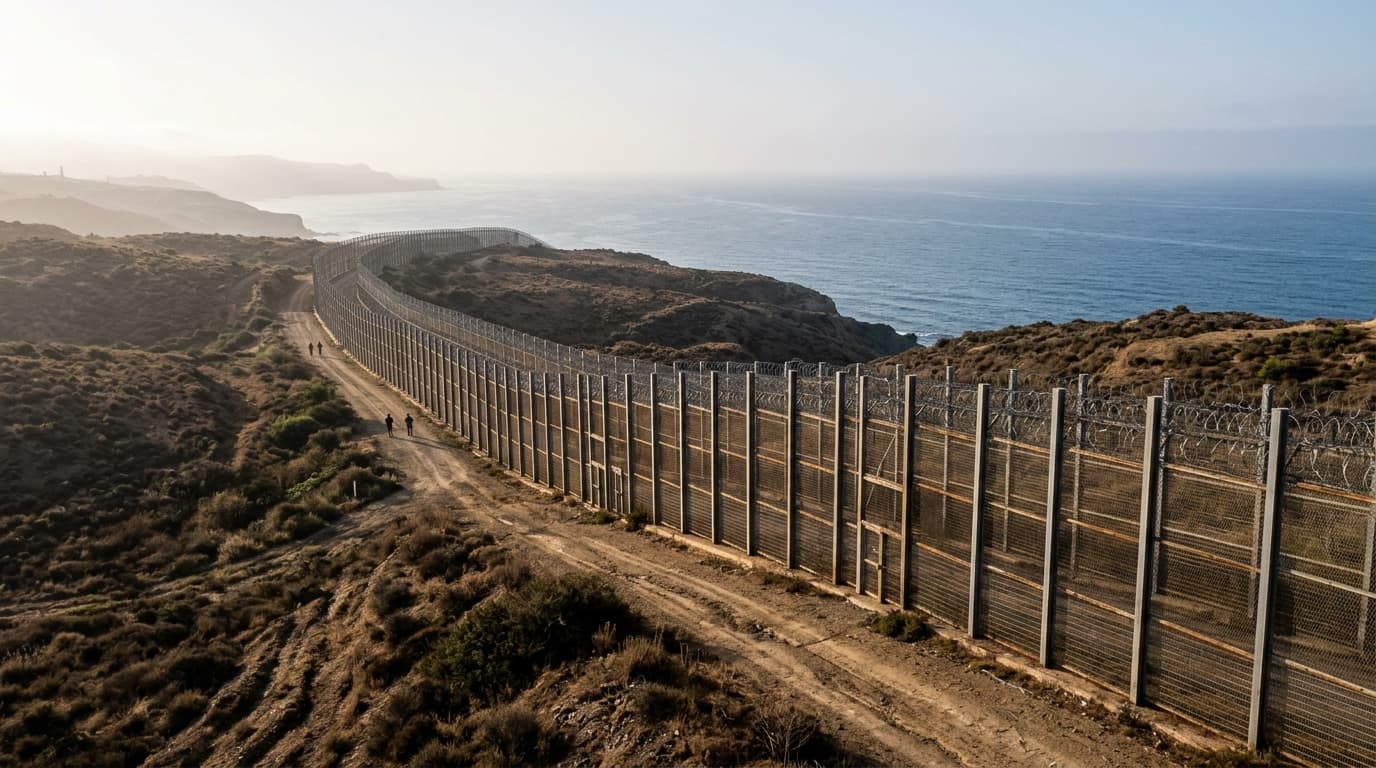
Historically, such spikes in migration at the Ceuta border have often been linked to the state of bilateral relations between Spain and Morocco. The enclave is separated from Moroccan territory by a double fence system, which has proven porous during mass crossing attempts. Earlier this week, the Spanish government rejected calls to declare a national emergency, opting instead to rely on police reinforcements and existing legal frameworks.
Analysis and Response
While the Interior Ministry's estimate of 49,000 is substantial, officials have noted that the figure remains a preliminary assessment that is difficult to verify in real-time due to the chaotic nature of the arrivals. In response to the escalating situation, Spain and Morocco have reportedly reached an agreement to repatriate individuals who arrived in recent days and have not regularized their legal status. This diplomatic coordination suggests an effort by both nations to stabilize the border and prevent a total collapse of the enclave's administrative functions.
Critics of the Spanish government, including leaders of the Vox party, have characterized the surge as an "invasion" and blamed Prime Minister Pedro Sánchez's policies for the crisis. Conversely, reports indicate that some migrants have been heard chanting in support of the Prime Minister upon their arrival. These competing narratives underscore the deep political divisions within Spain regarding migration policy and national sovereignty.
Outlook
The immediate priority for Spanish authorities is the restoration of order and the processing of the tens of thousands of new arrivals. The success of the repatriation agreement with Morocco will be a critical factor in determining whether the pressure on Ceuta can be alleviated in the coming days. For the broader Mediterranean region, the situation in Ceuta remains a significant case study in the challenges of border security and the management of mass migration in an era of global instability.
7 developments
- The Zioneer Intelligence Desk
- Iran claims it struck two tankers under US air escort in Strait of Hormuz
- The Telegraph: US, Israel Discuss Imposing Land Blockade on Iran
- Givati commander sentences 14 Sde Teiman rebellion leaders to 30 days, combat dismissal; 80 others face weekend discipline
- Additional US refueling aircraft en route to Israel; Ben Gurion warns of severe disruptions