The Lead
President Donald Trump has extended his immediate deadline for a formal understanding regarding the Strait of Hormuz, stating that if an agreement is not reached by the end of today, Tuesday, the window will remain open until Wednesday. While maintaining a threat of a "devastating attack" against Iranian targets should negotiations fail, the President signaled a possible shift toward further dialogue, remarking that if no deal is struck by tomorrow, "we'll talk."
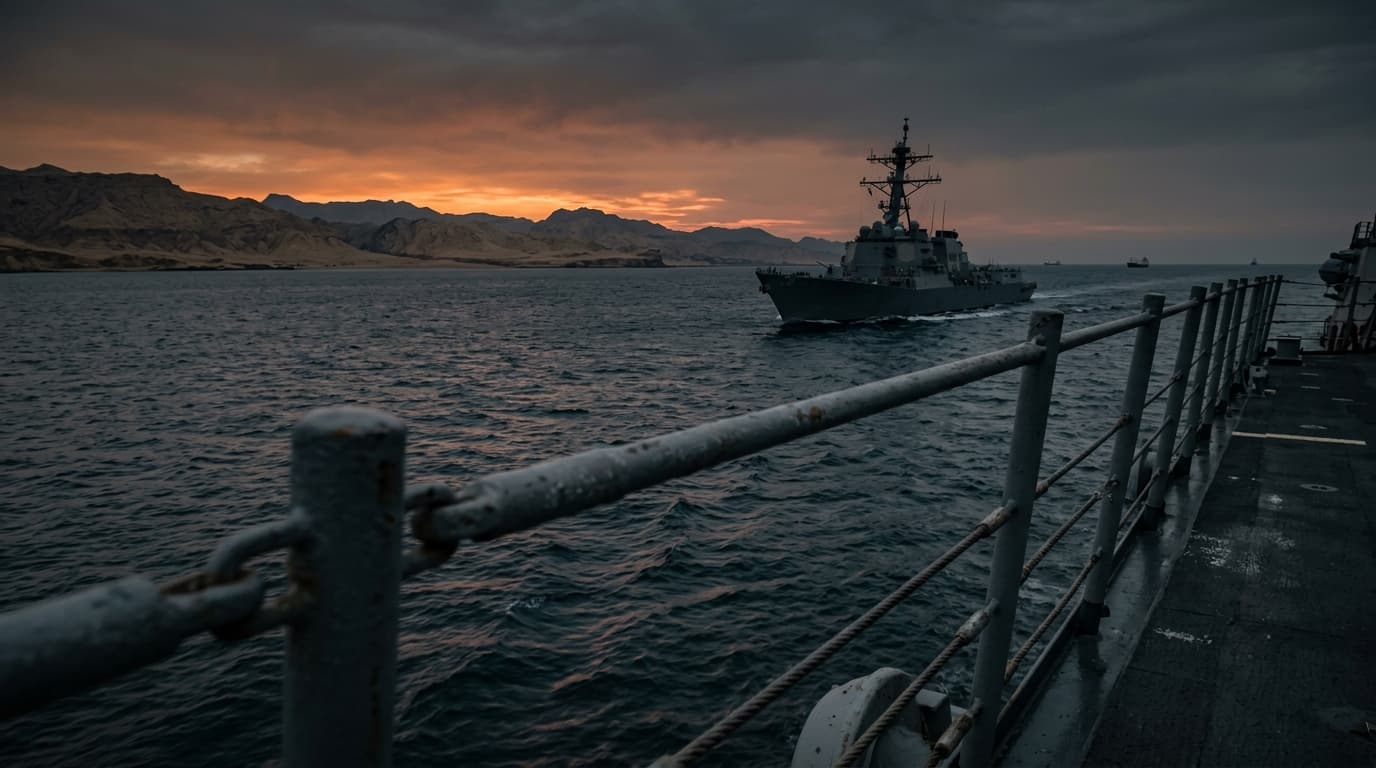
The current diplomatic friction centers on the Strait of Hormuz, a critical global energy artery that has seen intense kinetic confrontation throughout 2026. According to a Bloomberg report, the Trump administration is exerting maximum pressure on the Iranian regime to finalize a maritime regulatory framework. This follows the President's earlier warnings that the U.S. military was prepared for what could have been the largest military operation against Iran since World War II.
Diplomatic Maneuvering and Deadlines
U.S. Treasury Secretary Scott Bessent confirmed the ongoing nature of these high-stakes discussions. Speaking to CNBC, Bessent noted that there is a tangible chance for a deal to reopen the Strait and transition to a "more normal position" in the conflict as early as today or Wednesday. The Secretary attributed the current Iranian willingness to negotiate directly to the scale of the military threat issued by President Trump last week.
This development follows a period of extreme volatility. As The Zioneer reported earlier, the administration had previously set Tuesday as a firm deadline, with the President characterizing it as Iran's "last chance" before a devastating strike. The extension to Wednesday suggests a tactical flexibility intended to exhaust diplomatic options while keeping the U.S. military in a state of high readiness.
Analysis: The 'We'll Talk' Signal
The President's remark that "we'll talk" if the Wednesday deadline passes introduces a layer of ambiguity to the U.S. posture. Analysts suggest this may indicate that the administration is prepared to move beyond a binary "deal or strike" framework toward a more prolonged negotiation phase, provided the maritime situation does not deteriorate. However, the threat of force remains the primary leverage point. The administration has consistently linked the reopening of the Strait to broader objectives, including the dismantling of Iran's nuclear program and curbing regional aggression.
Regional Stakes and Outlook
For Israel, the outcome of these talks is critical. While the current focus is on maritime stability, senior Israeli officials have emphasized the challenge of keeping the Iran negotiations separate from the ongoing conflict in Lebanon. The Israeli security establishment remains wary of any agreement that might grant Tehran regional relief without addressing the threats posed by its proxies. As the deadline shifts to Wednesday, the international community remains focused on whether the Iranian leadership will accept the proposed terms or risk the "devastating" military consequences threatened by Washington.
4 developments
- Iranian analyst claims Iran to impose Strait of Hormuz service fees, Iraqi ships exempt
- Politico: US has expanded intelligence assets in Cuba, sent spies to pressure regime
- Saudi Arabia pursues behind-the-scenes diplomacy with Houthis, prepares military options
- 75-year-old man seriously wounded in stabbing on Levinsky Street in south Tel Aviv