The Lead
President Donald Trump stated Wednesday that the Strait of Hormuz is “sort of open” and expressed renewed optimism regarding a potential nuclear agreement with Iran. Amid these diplomatic signals, the White House issued a formal denial of reports suggesting a clash between the President and Defense Secretary Pete Hegseth over a reported munitions shortage.
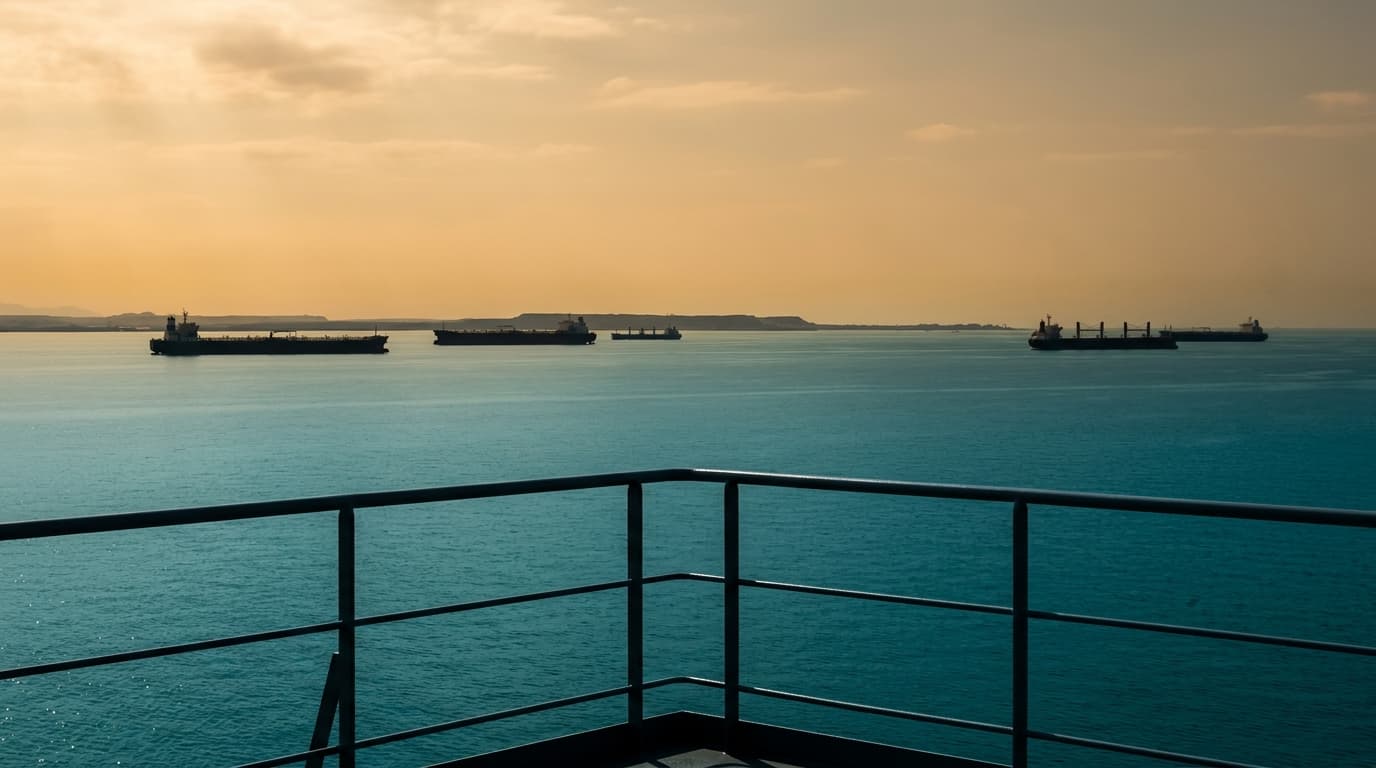
President Donald Trump has provided a fresh update on the status of the Strait of Hormuz, characterizing the strategic waterway as "sort of open" following months of high-stakes negotiations. Speaking on Wednesday, the President indicated that he remains personally involved in the diplomatic efforts and suggested that a formal agreement with the Iranian regime "could happen soon."
Diplomatic Optimism and Maritime Status
The President’s remarks follow a series of shifting timelines regarding the reopening of the strait, a critical chokepoint for global energy supplies. As The Zioneer has previously reported, the administration has maintained a strategy of "peace through strength," utilizing military positioning in the Persian Gulf as leverage for a new diplomatic framework. While Trump’s latest assessment of the waterway being "sort of open" suggests a partial de-escalation, the situation remains fluid, as previous projections for a full reopening have faced delays.
Internal Denials and Security Context
Parallel to the diplomatic track, the White House moved to suppress reports of internal discord within the administration’s national security team. Officials denied claims that President Trump and Defense Secretary Pete Hegseth had argued over a lack of munitions in the wake of the recent conflict with Iran. This denial comes at a sensitive time, as the administration seeks to project a unified front while balancing military readiness with diplomatic outreach.
Analysis and Regional Stakes
For Israel, the prospect of a new deal with Tehran remains a subject of intense scrutiny. Israeli officials have consistently emphasized the need to ensure that any maritime or nuclear agreement does not allow Iran to leverage concessions into increased support for its regional proxies. The President’s optimism signals a potential shift toward a formal resolution, but the specific terms—particularly regarding nuclear restrictions and the release of frozen assets—remain unconfirmed. The international community is now looking for a formal acknowledgment from Tehran to verify if the President’s optimism is shared by the Iranian leadership.
3 developments
- The Zioneer Intelligence Desk
- Pakistan, Turkey, and Saudi Arabia to sign tripartite defense pact, Reuters reports
- Saudi official to CNN: Riyadh braces for coordinated attacks by Iraqi militias and Houthis
- Israeli Foreign Ministry cites UNICEF survey: Gaza nutrition better than regional neighbors
- Man arrested for arson in Spokane wildfires that destroyed over 700 homes