The Lead
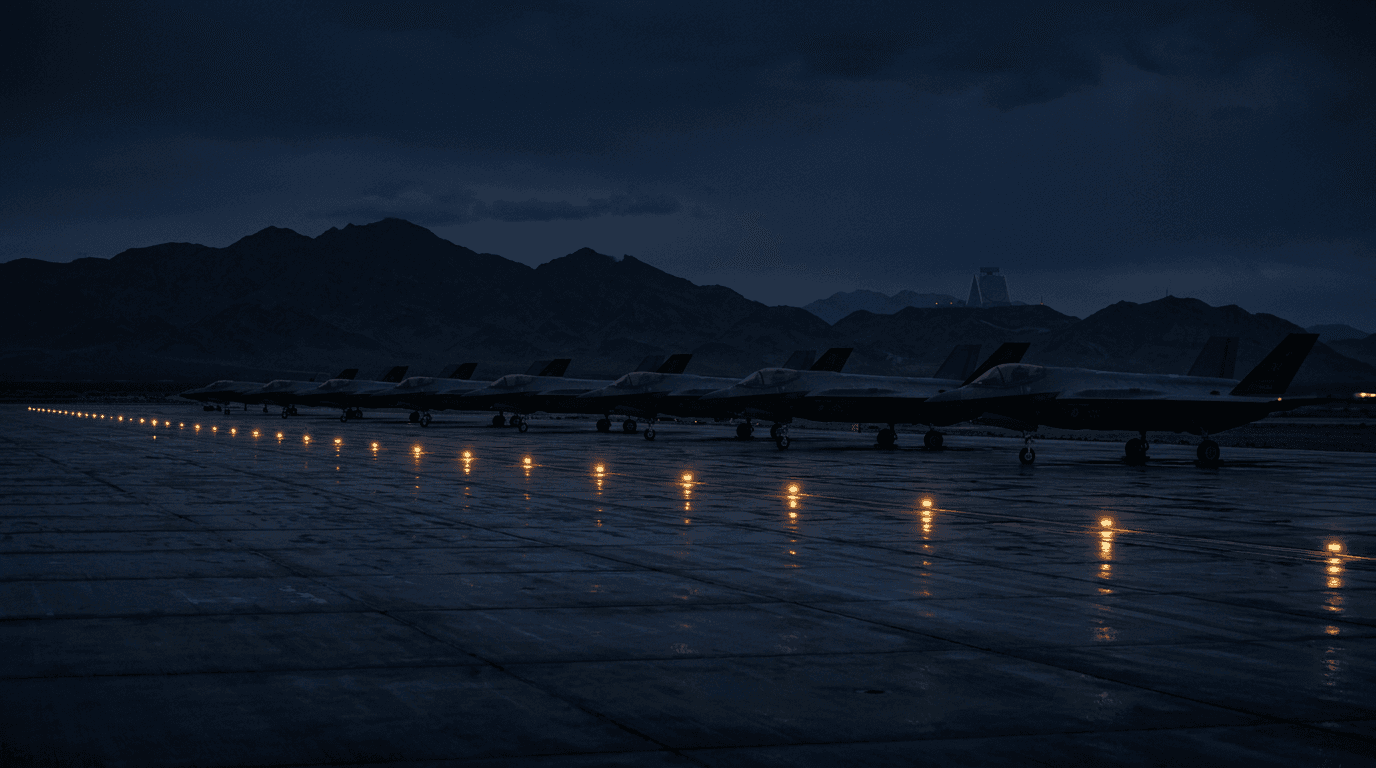
The United States military has launched a third consecutive night of strikes against Iranian targets, as President Donald Trump issued a direct personal warning to the regime in Tehran. In a statement attributed to the President and military officials, Trump declared, "Tell Tehran that we are coming," signaling a sustained and intensifying kinetic campaign following the closure of the Strait of Hormuz and the collapse of prior diplomatic understandings.
Most-used research source domains
SourcesAs of Jul 13, 2026, 10:21 PM
| Label | Sources |
|---|---|
| youtube.com | 632 sources |
| facebook.com | 560 sources |
| instagram.com | 485 sources |
| timesofisrael.com | 176 sources |
| bbc.com | 119 sources |
| jpost.com | 96 sources |
| ynetnews.com | 84 sources |
| x.com | 81 sources |
| reuters.com | 79 sources |
| aljazeera.com | 75 sources |
| iranintl.com | 70 sources |
| cbsnews.com | 60 sources |
| pbs.org | 57 sources |
| cnn.com | 51 sources |
The U.S. Central Command (CENTCOM) confirmed that the latest wave of operations began at 16:45 Eastern Time (00:45 Jerusalem time) on Tuesday. According to military statements, these strikes are designed to degrade Iranian capabilities and impose a "heavy price" on the regime's forces. The primary objectives include protecting innocent civilians and ensuring the safety of commercial shipping in the Strait of Hormuz, which has become a central flashpoint in the current escalation.
Strategic Context and Escalation
This third night of strikes follows a rapid deterioration of regional security. As of July 2026, the Islamic Republic has entered a state of direct kinetic war with the United States. This shift occurred after the collapse of the 'Islamabad' memorandum and the subsequent Iranian decision to close the Strait of Hormuz, a move that the U.S. has met with a naval siege and massive strikes against strategic infrastructure. Prior waves of attacks have targeted missile depots, drone storage facilities, and coastal radar sites.
Analysis of the Campaign
While the U.S. military describes the strikes as a response to Iranian aggression and threats to maritime trade, the rhetoric from the White House suggests a broader objective. President Trump's direct warning—"we are coming"—indicates that the administration may be moving beyond limited retaliatory strikes toward a more comprehensive military campaign. The Zioneer Intelligence Desk notes that while the U.S. has confirmed the commencement of these strikes, the full extent of the damage and the specific targets hit in this third wave remain under assessment.
What it Means
The continuation of nightly strikes suggests that the U.S. is maintaining a daily operational tempo to prevent the IRGC from regrouping or effectively retaliating. For Israel and the wider region, this represents the most significant direct U.S. military intervention against Iran to date. The situation remains highly volatile; as the U.S. military continues its operations, the international community is watching for any signs of a broader Iranian response or a potential return to the negotiating table, though the current trajectory points toward further escalation.
5 developments