The Lead
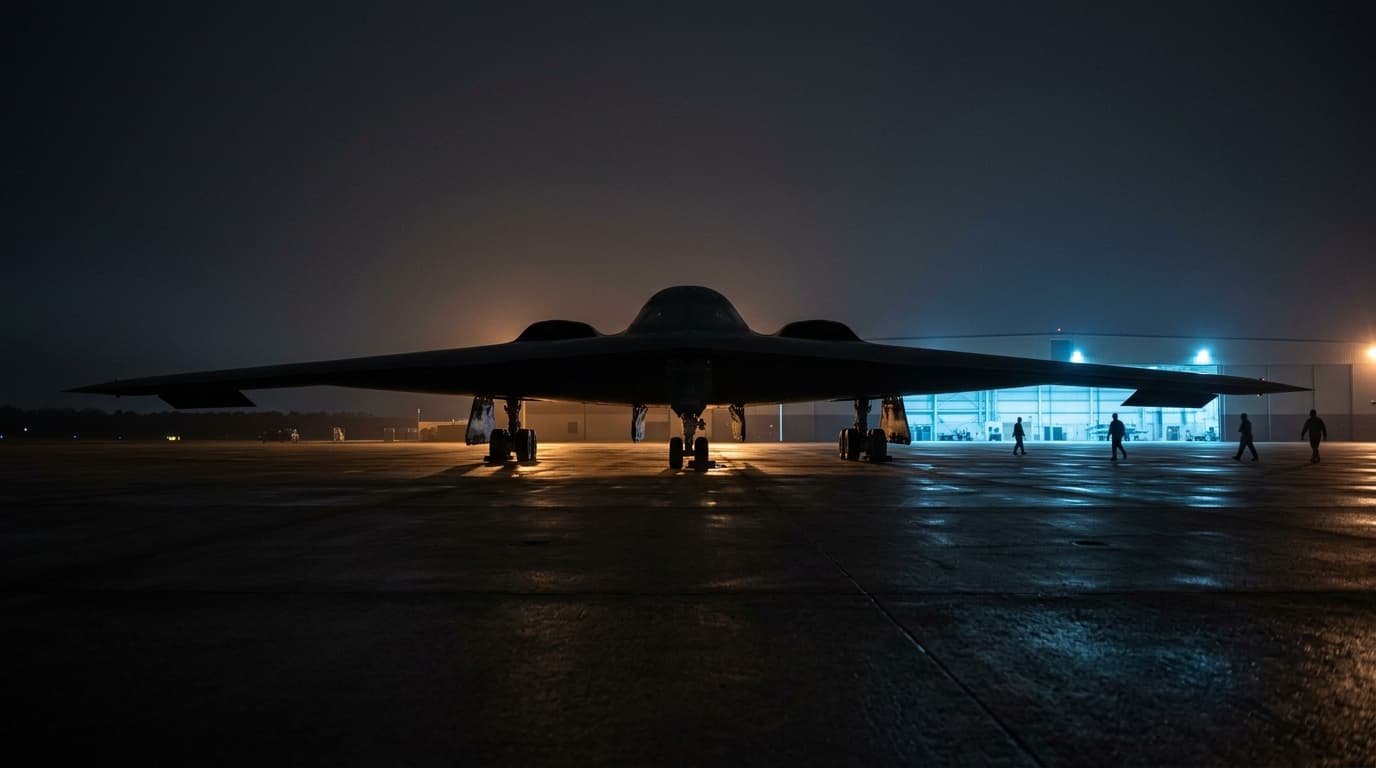
President Donald Trump announced late Monday night that the United States will strike Iran "very hard" tonight and tomorrow, explicitly naming Mount Pikaks—Tehran's deepest underground nuclear facility—as a potential target for a major operation. The declaration follows the President's assessment that the recent memorandum of understanding (MOU) with the Iranian regime was a "test" that Tehran has failed.
Most-used research source domains
SourcesAs of Jul 13, 2026, 10:21 PM
| Label | Sources |
|---|---|
| youtube.com | 632 sources |
| facebook.com | 560 sources |
| instagram.com | 485 sources |
| timesofisrael.com | 176 sources |
| bbc.com | 119 sources |
| jpost.com | 96 sources |
| ynetnews.com | 84 sources |
| x.com | 81 sources |
| reuters.com | 79 sources |
| aljazeera.com | 75 sources |
| iranintl.com | 70 sources |
| cbsnews.com | 60 sources |
| pbs.org | 57 sources |
| cnn.com | 51 sources |
President Trump’s remarks signal a significant escalation in the direct kinetic confrontation between Washington and Tehran. Characterizing the 'Islamabad' memorandum as a failed experiment, the President stated that the U.S. is now prepared to strike strategic assets. "We are going to eliminate Mount Pikaks," Trump reportedly said, adding that the facility could be the target of a "big, fat, and beautiful attack." He warned the Iranian leadership to "be ready."
Reports of Active Strikes
As the President issued his warning, reports began to surface at approximately 00:25 Jerusalem time regarding a wave of strikes in southern Iran. Initial accounts reviewed by The Zioneer Intelligence Desk indicate activity in the areas of Qeshm, Bandar Abbas, and Bushehr. While the scale of these strikes remains unconfirmed, they align with the President's vow of immediate action following the collapse of diplomatic efforts.
The Strategic Significance of Mount Pikaks
The mention of Mount Pikaks is particularly consequential. As Iran's most fortified and deepest underground nuclear site, it has long been considered a primary challenge for conventional military planners. Prior analysis by The Zioneer has noted that the site's depth makes it largely immune to standard bunker-buster munitions, suggesting that any successful attempt to "eliminate" the facility would require specialized capabilities or a significant shift in tactical approach.
Outlook
The transition from the diplomatic framework of the 'Islamabad' agreement to active kinetic operations marks a new phase in the conflict. With the U.S. already maintaining a naval blockade in the Persian Gulf, the expansion of targets to include hardened nuclear infrastructure suggests a policy aimed at the permanent degradation of Iran's strategic capabilities. Observers are now watching for the Iranian response and the extent of the promised "tomorrow" strikes.
2 developments
- The Zioneer Intelligence Desk