The Lead
The United States and Iran are reportedly discussing an accelerated timeline to sign a memorandum of understanding (MOU) as early as tonight, Wednesday. The move, which would shift the signing from its previously expected Friday date, could lead to the immediate reopening of the Strait of Hormuz and the lifting of the U.S. naval blockade.
Reports emerging Wednesday evening suggest a significant acceleration in the diplomatic track between Washington and Tehran. According to material reviewed by The Zioneer Intelligence Desk, the two parties, along with mediating countries, are exploring the possibility of finalizing the agreement electronically tonight. This development follows earlier signals from Barak Ravid (N12) indicating that an accelerated signing process was under discussion.
Strategic Implications for the Gulf
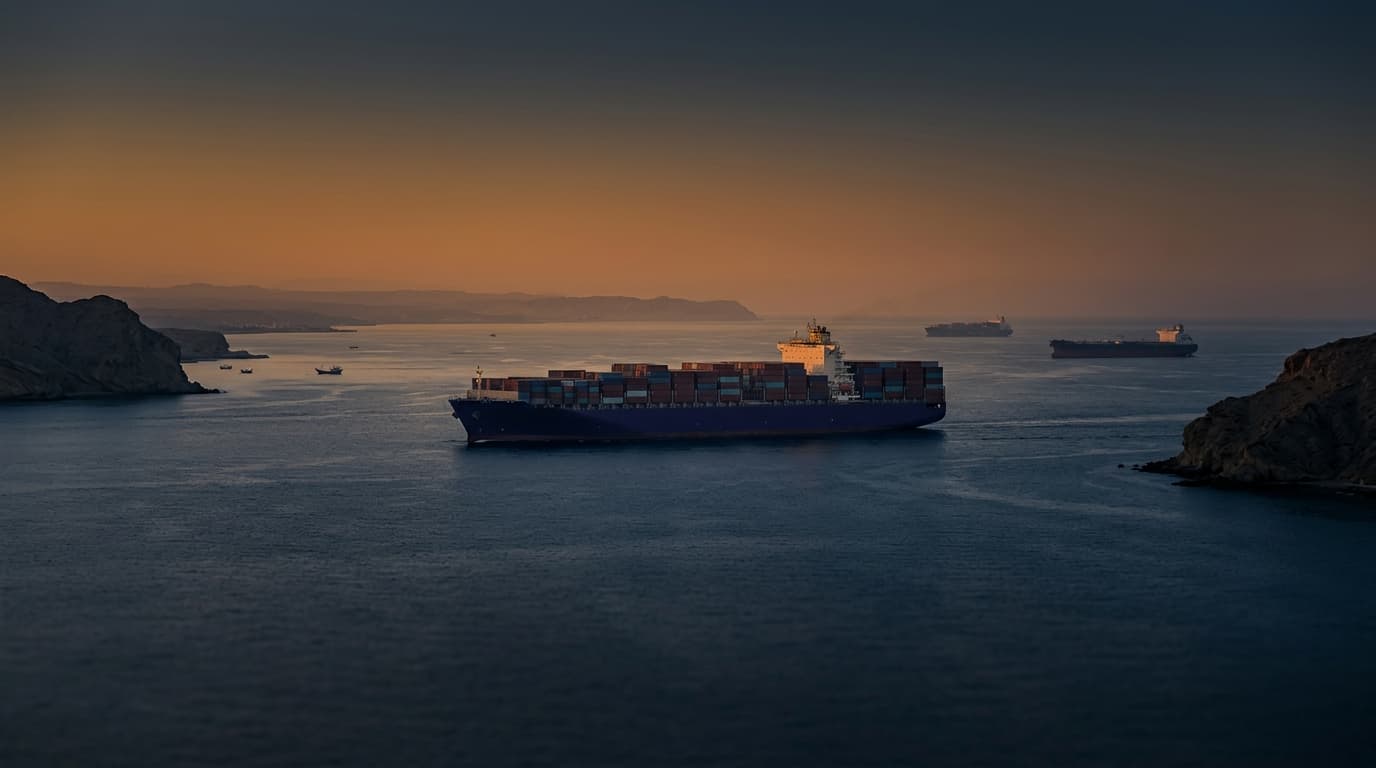
The primary immediate consequence of an early signing would be the status of the Strait of Hormuz. The report indicates that the clauses pertaining to the strategic waterway would enter into force immediately upon signing, triggering the removal of the U.S. naval blockade. This follows a period of intense maritime tension and direct kinetic confrontation in the region, which had previously led to the closure of this critical global energy chokepoint.
Context of the 'Islamabad Agreement'
This MOU is part of a broader framework often referred to as the 'Islamabad Agreement.' Previous reports from The Zioneer archive noted that the deal was expected to include a 60-day ceasefire and sanctions relief in exchange for Iranian commitments regarding its nuclear program and regional conduct. While the signing was widely anticipated for Friday, the sudden shift to a possible Wednesday night conclusion suggests a high degree of urgency from both administrations.
Analysis and Outlook
At this stage, the reports of a Wednesday night signing remain developing and are based on a limited number of sources. It is not yet confirmed if the final technical hurdles have been cleared or if the electronic signing protocol has been formally agreed upon by all parties. For Israel, the immediate reopening of the Strait of Hormuz and the formalization of this agreement represent a major shift in the regional security architecture, potentially leaving Jerusalem to navigate a new diplomatic reality with Iran while maintaining its own independent military readiness.
7 developments
- Trump: Netanyahu 'great guy,' told him to be 'gentler' with Lebanon — Hezbollah drone intercepted as he speaks
- Trump: Peace deal 'will be the start of something bigger'; Iran needs ballistic missiles
- IDF eliminates two Hamas operatives who infiltrated Israel on October 7 in central Gaza strike
- Trump again suggests Syria should handle Hezbollah, saying they'd be 'happy to do it'