The Lead
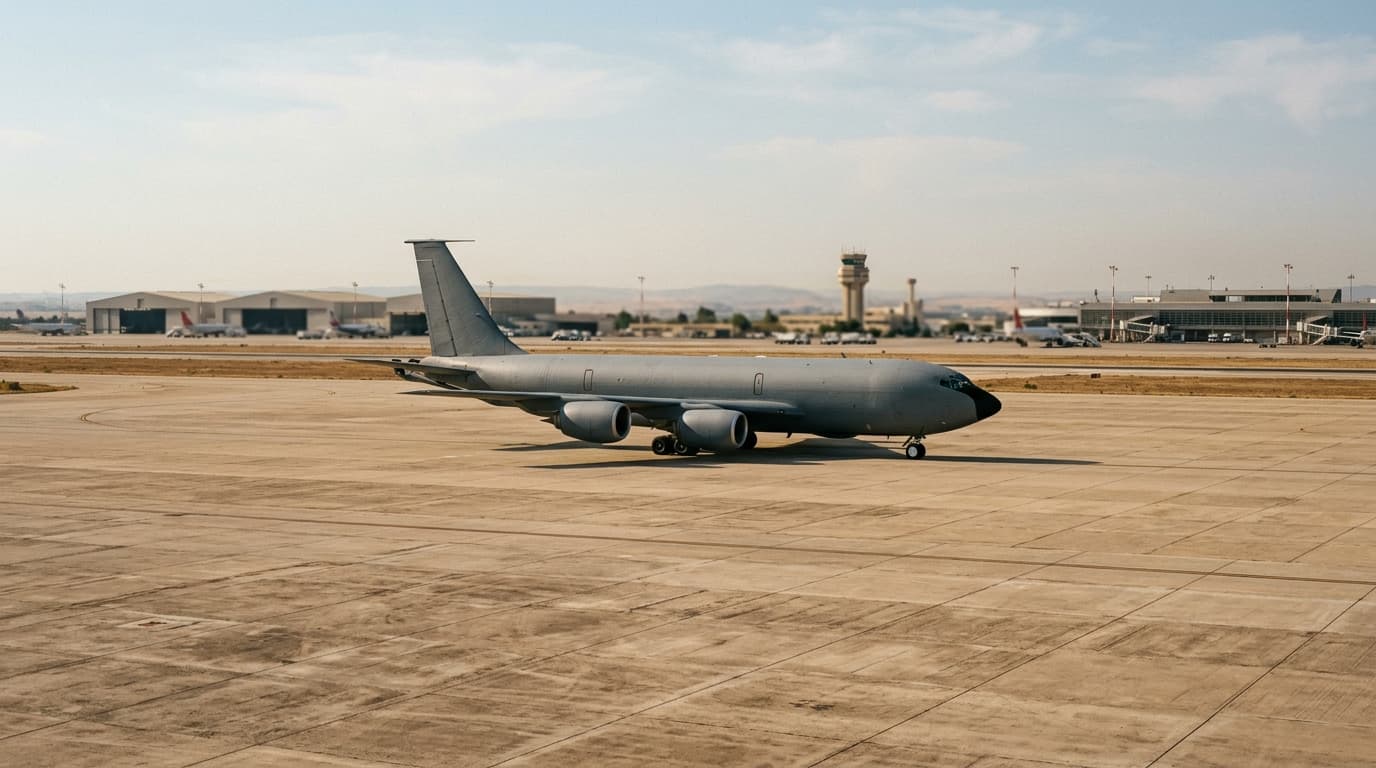
The United States military is preparing to relocate approximately 20% of its aerial refueling aircraft currently stationed at Ben Gurion Airport, according to reports Tuesday. The redeployment, first reported by Nir Dvori (N12), appears linked to a developing agreement with Iran and efforts to alleviate civil aviation congestion at Israel's primary international gateway.
Strategic Realignment
The US military is initiating a partial withdrawal of its strategic assets from Ben Gurion Airport, involving roughly 20 aircraft. This relocation follows weeks of intense logistical activity at the site, which has served as a critical hub for American refueling operations during the recent regional escalation. According to material reviewed by The Zioneer, the move is being framed as a response to a reported diplomatic agreement with Iran, though the specific terms of such a deal remain unconfirmed.
Operational and Civil Impact
Beyond the geopolitical context, the relocation addresses a growing domestic crisis regarding airport infrastructure. The presence of dozens of American military aircraft has led to a severe shortage of parking space, threatening to disrupt commercial flight schedules during the peak summer season. Reports indicate that the aircraft being moved from Ben Gurion will likely be transferred to Israeli Air Force (IAF) bases to maintain regional readiness while freeing up civilian gates. This follows public calls from Israeli officials to reduce the military footprint at the airport to prevent flight cancellations.
Analysis and Outlook
The redeployment reflects a delicate balancing act between maintaining a high state of military readiness and preserving Israel's civil aviation routine. While the relocation of 20% of the fleet suggests a slight de-escalation or a shift in operational posture, the remaining 80% of the US refueling contingent continues to provide a significant strategic umbrella. Observers are closely watching for the formal announcement of the reported Iran deal, which would provide the definitive context for this logistical shift. For now, the primary immediate effect will be the easing of congestion at Ben Gurion, potentially encouraging the return of foreign carriers that had been deterred by the militarized state of the terminal.
5 developments
- The Zioneer Intelligence Desk
- US Official: Trump Briefed on Israel-Iran Escalation; Ben Gurion Airport Closed Amid Military ActivityEditorially linked
- Airport chief warns 100,000 July passenger tickets at risk of cancellationEditorially linked
- US military prepares attack options, deploys fighter jets as Trump weighs wider Iran strikesShared subject
- Two Separate Rescues as Israelis Stray Into Judea and Samaria Palestinian CitiesEditorially linked