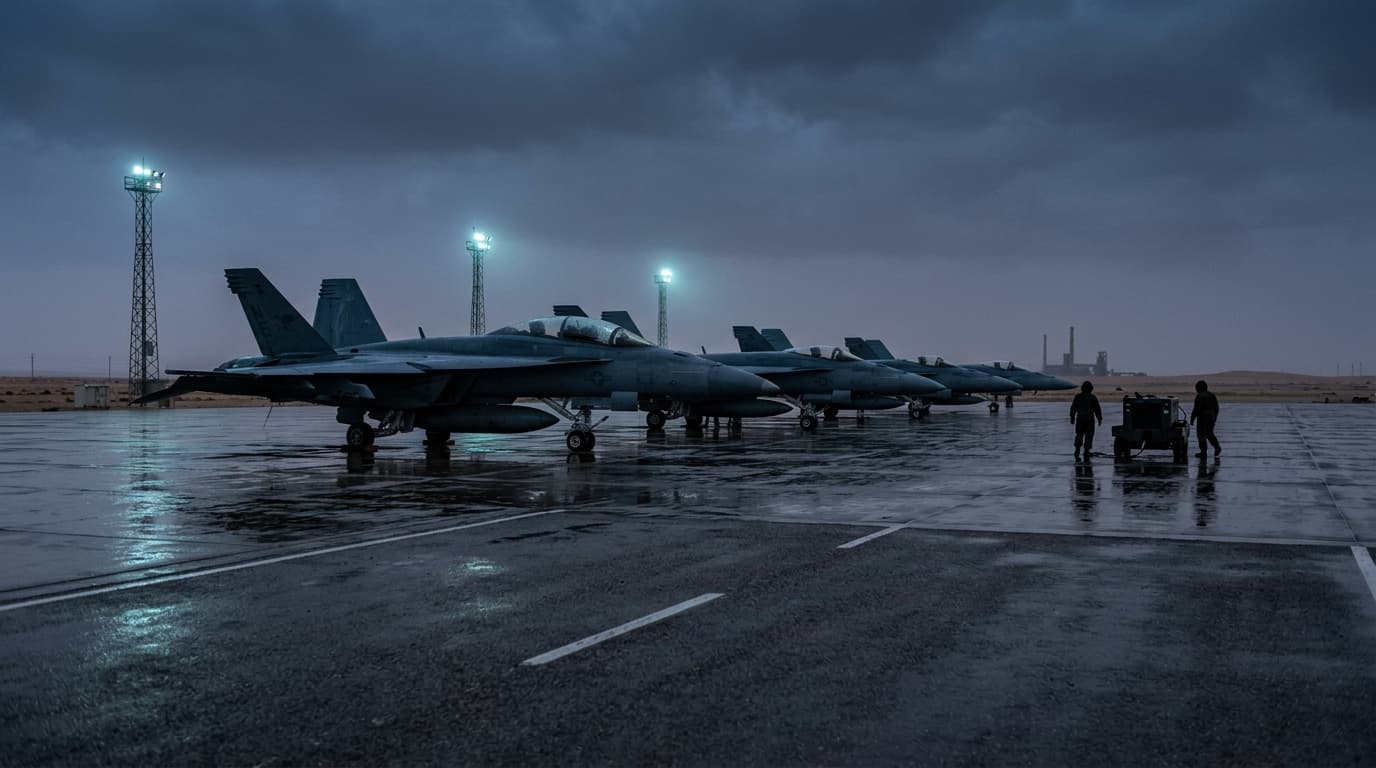
30 American soldiers have been wounded in Iranian attacks across the Middle East over the past week, according to a single source. The number has not been independently verified, and no further details on the locations or severity of injuries have been provided.
A single source reported early Sunday morning that 30 US soldiers have been wounded in Iranian attacks across the Middle East over the past week. The figure, which emerged at around 01:08 Jerusalem, is higher than any previously disclosed casualty count and has not been independently verified. No details on the locations or severity of the injuries have been provided, and no official US statement has been issued.
The new report adds to a rapidly evolving picture of US casualties. At 19:57 on Saturday, July 18, the Pentagon released a breakdown of 13 wounded service members — 10 soldiers and three sailors. Hours later, at 23:44 Jerusalem, The Zioneer reported that the New York Times, citing American officials, had initially put the number at 12 wounded, then updated that figure to “dozens” of wounded alongside damage to multiple helicopters. At 00:31 Jerusalem Sunday, another NYT report reiterated that dozens of soldiers had been wounded. By 00:58 Jerusalem, unconfirmed reports emerged of three killed and dozens wounded in a ballistic missile strike on a Jordanian base.
Amid these conflicting figures, The Zioneer has also reported on casualty claims from the Iranian side: on July 15, the Iranian government said 30 civilians were killed in US strikes in southern Iran, a number that remains unverified. The broader US-Iran hostilities have featured a series of strikes and counterstrikes, with the Pentagon confirming operations against more than 90 Iranian targets on July 9.
The 30-soldier figure remains uncorroborated. The single source has not been named, and no official US or allied confirmation has followed. The scope and timeline of the reported attacks — whether they encompass the Jordan strikes, the earlier Pentagon-confirmed casualties, or additional incidents — remain unclear.
4 developments
Source and signal
- Internal intake