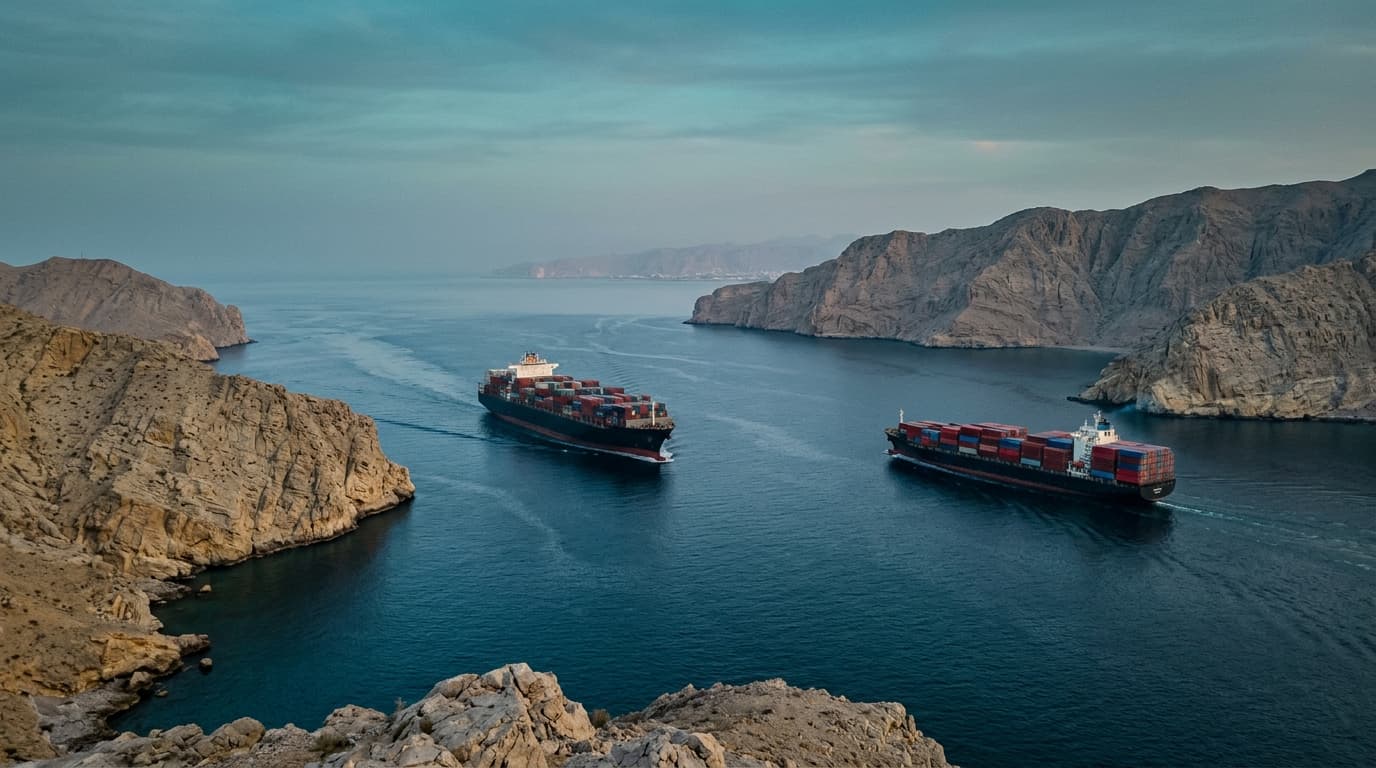
Iran announced that understandings reached with Omani mediation regarding the Strait of Hormuz will not lead to a full reopening of the waterway, but rather to a new model in which Tehran retains control and influence, according to a Washington Post report. Under the reported arrangement, inbound ships will pass through Iranian territorial waters and outbound ships through Omani waters. The United States opposes any restriction on freedom of navigation, and American officials warned Iran is using the issue as leverage in negotiations.
The latest development in the ongoing Strait of Hormuz crisis comes as Iran has confirmed that the Omani-mediated diplomatic track will not result in a full restoration of free navigation. According to a Washington Post report, Iran and Oman have agreed that inbound vessels will pass through Iranian territorial waters and outbound vessels through Omani waters — a framework that effectively grants Iran continued influence over the strategic chokepoint. Iranian Deputy Foreign Minister Kazem Gharibabadi described the arrangement as a 'new model' involving coordination between the two countries and oversight of shipping. The United States has rejected any arrangement that limits freedom of navigation, with American officials warning that Iran is leveraging the Hormuz issue to extract concessions in bilateral talks. As The Zioneer has reported, the Trump administration has repeatedly threatened military action if the strait is not fully reopened, and has declared the U.S. would 'take over' the waterway to ensure the flow of global energy supplies. The economic stakes are high: continued disruption in the strait risks severe damage to global oil prices and trade, as noted in the Washington Post report.
2 developments
- DevelopingIranian military source: Strait of Hormuz closure to continue until US halts 'aggressive actions'
- DevelopingIranian parliamentary committee chairman warns vessels ignoring Hormuz rules will face 'firm response'
- StrongIran threatens indefinite Hormuz closure, blocks IAEA inspections as Israeli officials warn of shifting U.S. support
- StrongIranian Strait of Hormuz authority says movement not possible due to US activity
Source and signal
A single-sourced dispatch is never rated Confirmed or Strong. Its Signal strengthens only when a second, independent source corroborates it.
- Open-source intake