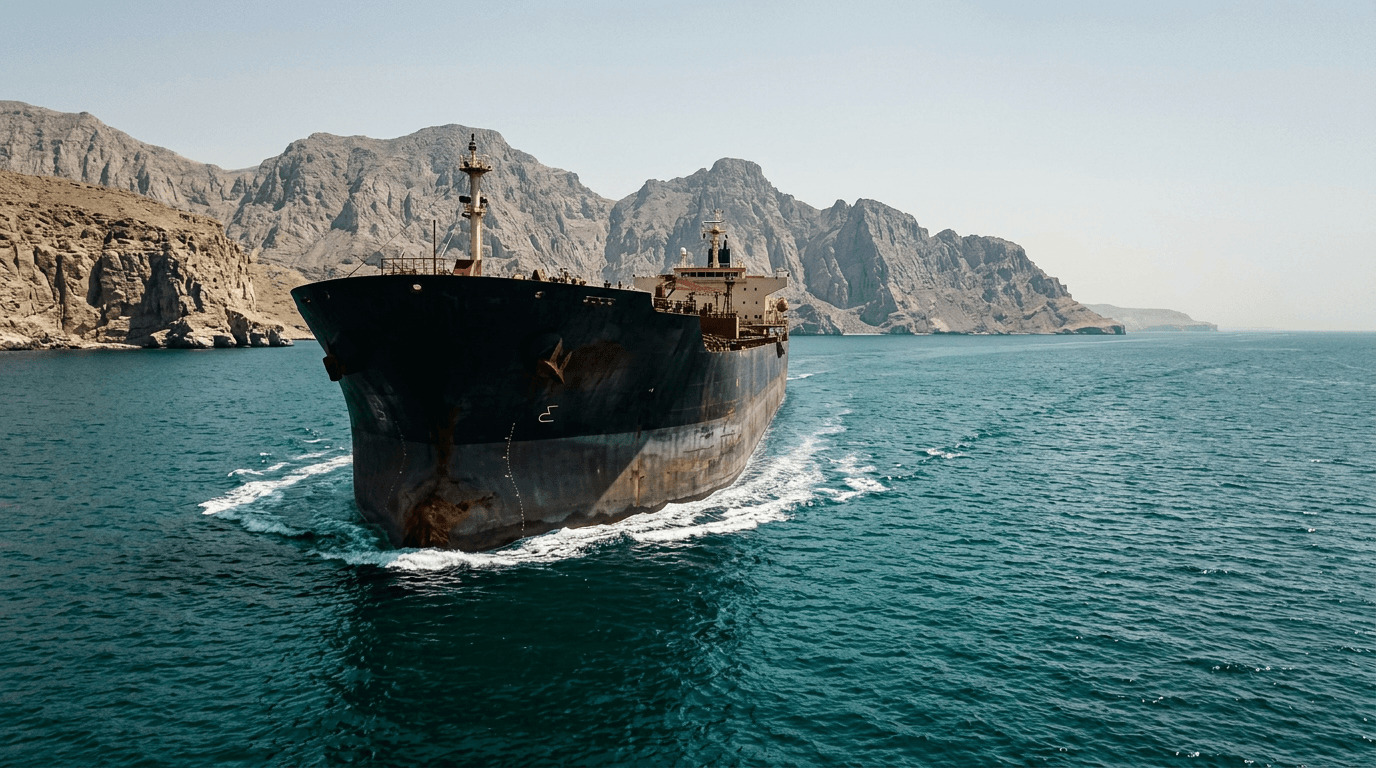
Iran has rejected an American ultimatum demanding the reopening of the Strait of Hormuz, according to Iranian reports. The rejection signals a hardening of Tehran's stance amid ongoing tensions over the strategic waterway.
Iran has formally rejected the US ultimatum demanding the reopening of the Strait of Hormuz, according to Iranian reports. The rejection, which signals a hardening of Tehran's stance, comes just hours after the expiration of a deadline set by the Trump administration. The Zioneer reported earlier today (Saturday at 13:41 Jerusalem) that a senior Trump official told ABC News Iran had until evening local time to declare the strait open and accept all ceasefire conditions, warning of a 'sad day' for Tehran if it failed to comply. Minutes later, the New York Times, citing American officials, reported that failure to issue a statement confirming the reopening would carry consequences not in Iran's favor. A third update at the same time revealed that the US demand includes a formal commitment not to fire at commercial vessels, and described an internal power struggle in Iran over the next steps in negotiations. The rejection now appears to escalate the standoff, though no further details on the ultimatum's content or Iran's response have been provided.
Earlier this week, The Zioneer reported on the diplomatic efforts leading up to this ultimatum. On July 5, Iran reportedly rejected an Omani proposal for an alternative southern route under US supervision. On June 15, Iran's Tasnim news agency detailed last-minute changes to the US-Iran memorandum of understanding, including a delay in the reopening of the strait. Throughout June, Iranian state-linked media and officials issued contradictory statements about the strait's status, denying a closure while threatening indefinite closure unless Israel withdrew from southern Lebanon. Iran also dismissed earlier threats by President Trump to blow up the nuclear talks as empty, as The Zioneer reported on June 28.
The rejection is based solely on Iranian reports; no independent confirmation from US or other sources has been received. It remains unclear whether the US deadline has passed and what consequences, if any, the Trump administration will now pursue. The internal power struggle in Iran over the MOU and negotiations, noted by US officials, may also influence Tehran's next moves.
4 developments
- DevelopingIran reportedly rejects Omani plan for alternative southern route to Hormuz under US supervision
- StrongIran issues new direct threat to US over Strait of Hormuz, warns of 'immediate' retaliation
- StrongIran says final agreement talks to start in coming days, Hormuz closure denied
- StrongIran refuses to reverse Hormuz Strait policy, won't commit to deal even in second phase
Source and signal
- Internal intake