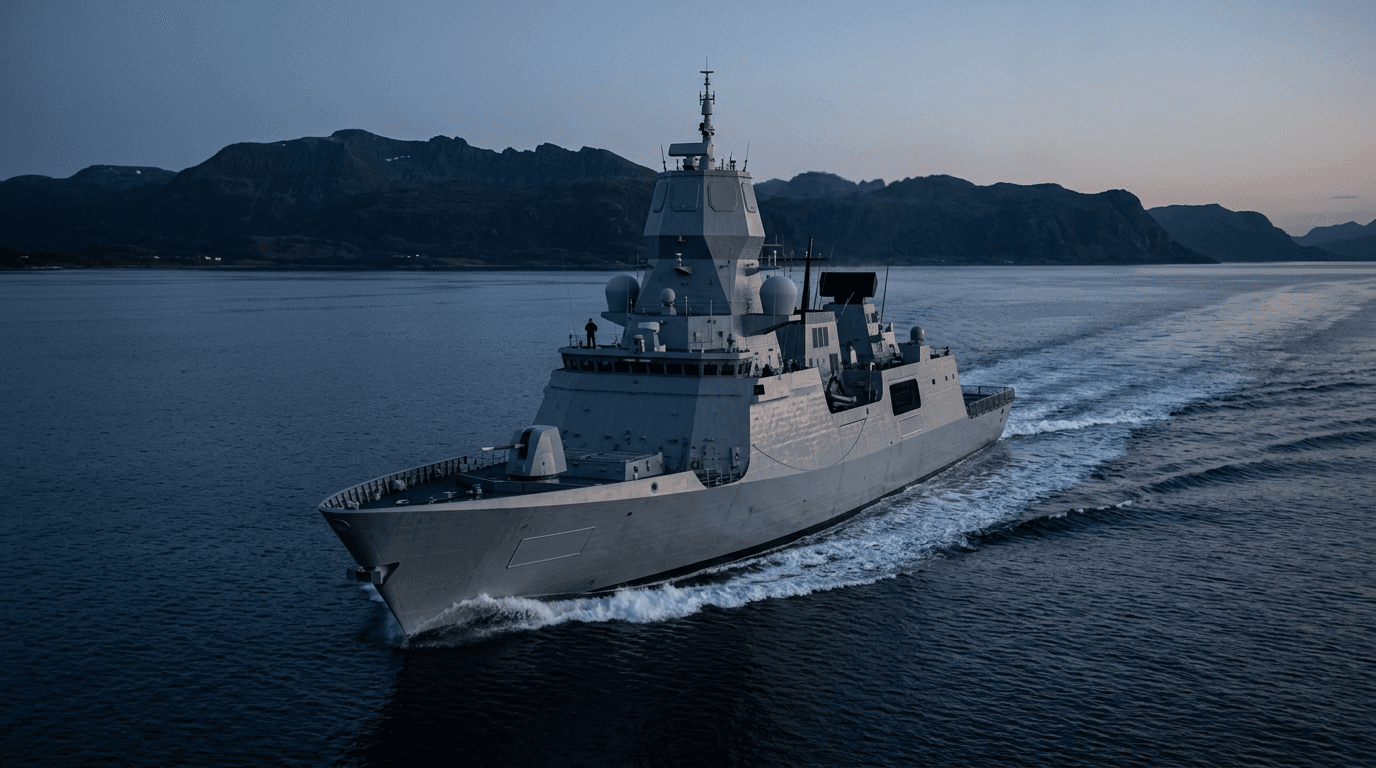
The United States reinstated the naval blockade on maritime traffic to and from Iranian ports, following President Trump's announcement. CENTCOM confirmed the blockade went into effect on July 14, targeting only Iranian vessels and customers, while allowing other countries free passage. The move reverses the lifting of the blockade under the June 18 US-Iran Memorandum of Understanding.
The United States has reinstated its naval blockade on maritime traffic to and from Iranian ports, with CENTCOM confirming the measure went into effect at 16:00 EST on July 14. The blockade, which President Trump announced on July 13, targets only Iranian vessels and customers, allowing all other countries free passage through the Strait of Hormuz. The U.S. will now be known as 'the Guardian of the Strait of Hormuz' and will collect a 20% levy on all cargo shipped through the strait to cover security costs.
The reinstatement reverses the lifting of the blockade under the June 18 US-Iran Memorandum of Understanding, which had opened the strait following a 60-day ceasefire. During the initial blockade period from April 13 to June 18, CENTCOM diverted over 140 vessels, disabled nine non-compliant ships, and allowed more than 50 humanitarian vessels to pass. The new blockade takes effect immediately, with the process and formation to begin at once, according to the president's statement.
The move has been framed as a unilateral security measure, with the U.S. assuming the role of guarantor of the strait's security. The 20% cargo fee is intended to reimburse the U.S. for the costs of maintaining safety in the volatile region. Israeli officials have not yet commented on the development.
14 developments
- DevelopingSenior Iranian source: US naval blockade on ports has been lifted
- ConfirmedUS military maintains blockade on Iranian ports until Friday deal signing; Strait of Hormuz remains closed
- StrongCENTCOM says it has fully lifted the naval blockade on Iran
- DevelopingUS re-imposes sanctions on Iran, renews naval blockade after Iran rejects Hormuz proposals
Source and signal
- Internal intake