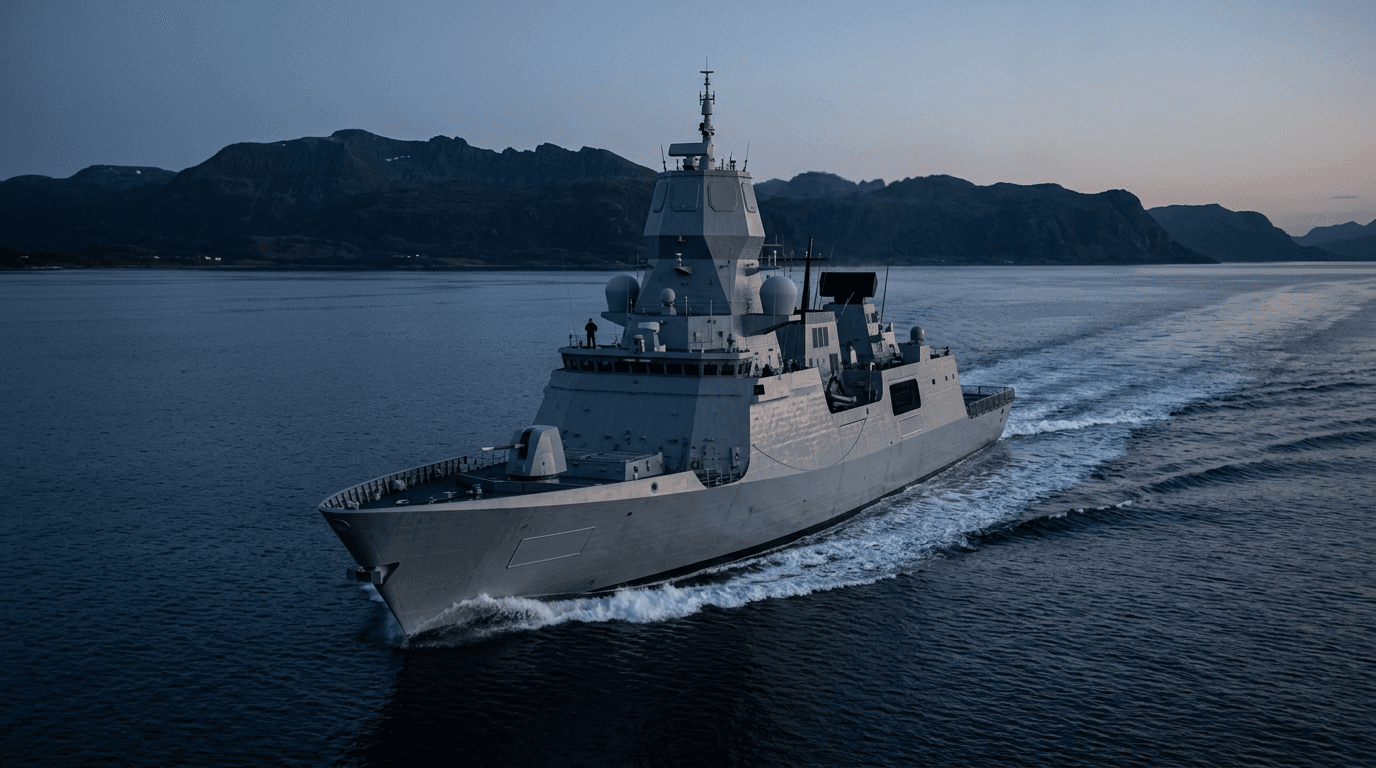
The Lead
The United States has officially reinstated a total naval blockade on maritime traffic to and from Iranian ports, marking a decisive end to the brief diplomatic thaw established in June. US Central Command (CENTCOM) confirmed that the enforcement regime, which specifically targets Iranian vessels and their customers while maintaining passage for other nations, went into effect on July 14 at 16:00 EST (23:00 Jerusalem time).
The reinstatement of the naval blockade serves as the operational fulfillment of President Donald Trump's recent declaration, effectively terminating the US-Iran Memorandum of Understanding signed on June 18. Under the new directive, the United States has assumed the title of 'Guardian of the Strait,' establishing a maritime enforcement zone in the strategic Strait of Hormuz. This policy includes a mandatory 20% reimbursement fee on all cargo transiting the waterway to cover the costs of U.S. security operations in the region.
Operational Enforcement and Scope
CENTCOM has instructed its forces to intercept and divert any vessels attempting to trade with Iranian ports. According to military protocols, the blockade is 'selective' in its targeting: it is designed to isolate the Iranian economy by stopping only Iranian-owned ships or those carrying cargo for Iranian customers. All other international maritime traffic is granted 'fair and open use' of the strait, provided they comply with the newly established transit fees. This mirrors the operational structure utilized during a previous blockade period between April and June, during which CENTCOM reported diverting over 140 non-compliant vessels while allowing humanitarian aid to pass.
Strategic Reversal
This move represents a total reversal of the de-escalation efforts seen last month. The June 18 memorandum had briefly allowed the Iranian economy to return to maritime function, but the collapse of those understandings has led Washington back to a posture of 'maximum pressure.' By controlling the Strait of Hormuz—the world's most critical energy chokepoint—the U.S. aims to exert direct leverage over Tehran's primary revenue streams. Analysts at The Zioneer note that the immediate implementation of the 20% cargo fee signals a shift toward a self-funding security model in the Persian Gulf, where international shipping is expected to compensate the U.S. for maintaining regional stability.
14 developments
- The Zioneer Intelligence Desk
- Times of Israel
- IDF kills Hamas military security chief for Central Jabaliya Battalion, three operatives in Gaza strike
- High Court gives legal effect to settlement on Israel Land Authority appointment; Eliyahu's term to end, government may reappoint him as acting
- PM's office says Netanyahu's US trip to include Trump meeting, Graham memorial
- Tasnim: US strike on Chabahar port hit maritime control center, no casualties