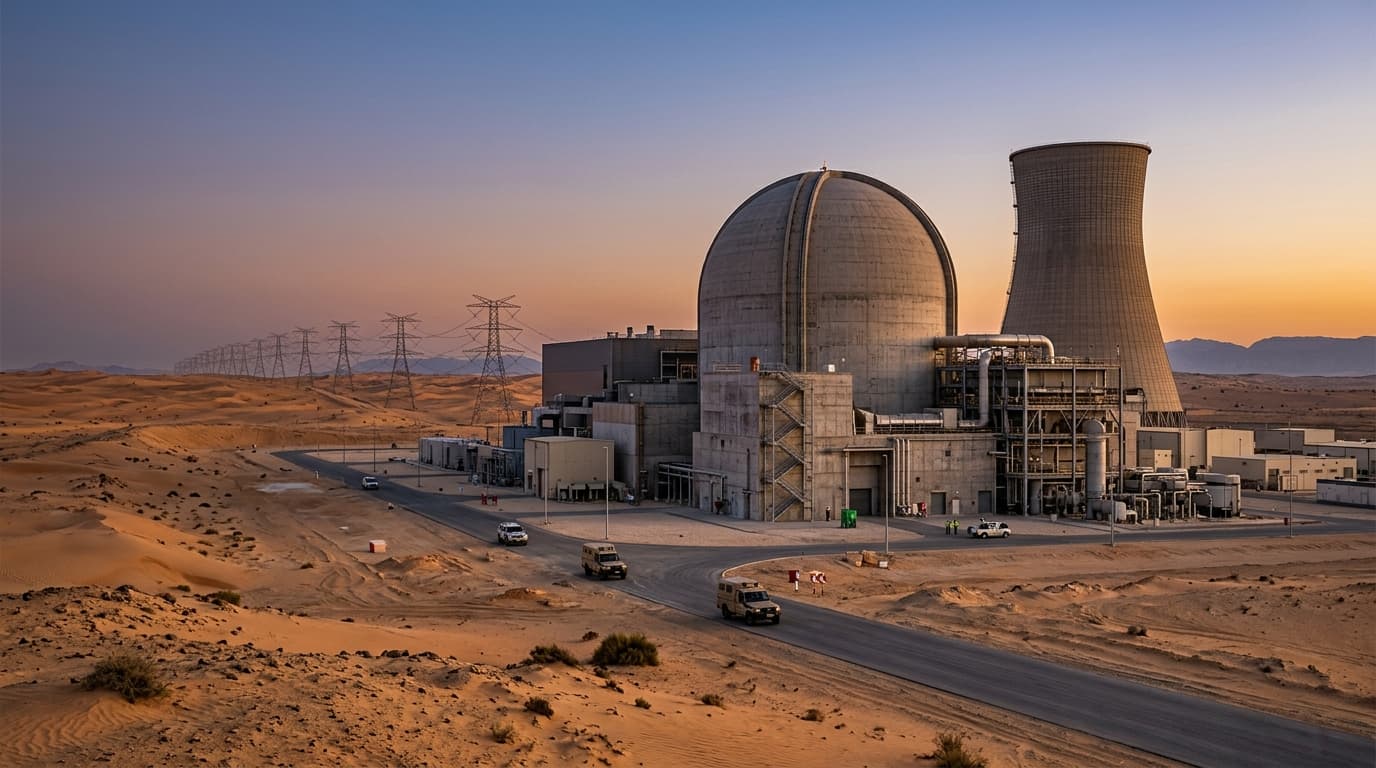
The Zioneer analyzes the implications of the US-Saudi civilian nuclear deal, arguing that the inclusion of uranium enrichment capacity on Saudi soil, even under a US-operated 'black box' mechanism, poses significant proliferation risks. The analysis warns that the deal could trigger a regional nuclear arms race and undermine Israel's leverage for normalization with Riyadh.
The Zioneer's editorial analysis Wednesday examines the recently confirmed US-Saudi civilian nuclear deal, which permits uranium enrichment on Saudi soil. The deal, announced by President Trump and confirmed by US officials, makes no mention of normalization with Israel, according to earlier reports. The analysis outlines the technical and strategic concerns: while the enrichment is to be conducted by US companies under a 'black box' arrangement intended to prevent technology transfer, the capability to enrich uranium to 5% for civilian use can be extended to weapons-grade 90% enrichment. The location of the enrichment facility—whether above or below ground—is critical for potential military action. The analysis also warns of political fallout: the deal may trigger a regional nuclear arms race involving Egypt, Turkey, and others, and removes a key incentive for Saudi normalization with Israel. It notes that the current Saudi leadership is relatively stable, but a future regime change could pose existential risks.
- StrongTrump confirms approval of US-Saudi civilian nuclear deal, enabling domestic uranium enrichment
- DevelopingIsrael Hayom reports new details of Trump-Saudi nuclear deal, confirms uranium enrichment on Saudi soil
- DevelopingAnalyst: Trump-Saudi nuclear deal, if confirmed, is a 'severe blow' to Israel without full normalization
- DevelopingDraft US-Saudi agreement may allow Saudi uranium enrichment without full international safeguards
Source and signal
- Internal intake