The Lead
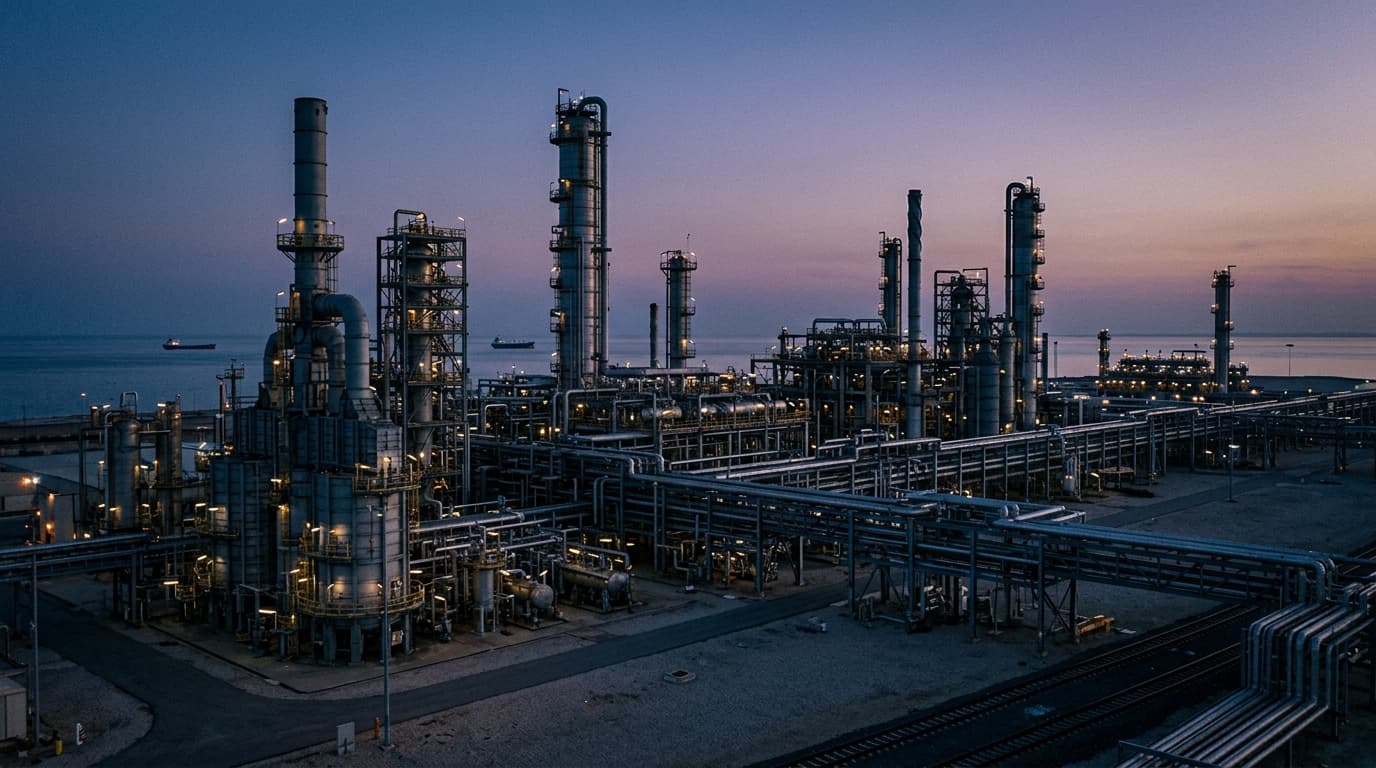
The Trump administration is actively considering a major escalation in its kinetic campaign against the Iranian regime, with reports from CBS News and Axios indicating that the U.S. and Israel are preparing strike options for Iran's energy infrastructure. These operations, which could be initiated as early as this weekend, represent a strategic shift from previous strikes that focused primarily on military and air defense targets toward broader economic and dual-use infrastructure.
Strategic Shift in Targeting
Multiple major American news outlets reported early Saturday that President Donald J. Trump is weighing a significant expansion of military operations against Tehran. According to CBS News, the United States and Israel are currently coordinating on a range of options that specifically target the Iranian energy sector. This development follows months of sustained U.S. pressure, but marks a transition toward hitting the economic lifelines of the Islamic Republic. While previous waves of strikes—as reported by The Zioneer in June and July—focused on missile depots, drone storage, and coastal radar installations, the current planning involves high-value infrastructure that could have immediate global market implications.
Coordination and Readiness
U.S. officials speaking to ABC News indicated that planning for these strikes is in "advanced stages," though they cautioned that plans remain subject to change. The involvement of Israel in the planning process underscores the high level of strategic alignment between Washington and Jerusalem in the current confrontation. Axios reports that the administration views these potential strikes as a necessary lever to increase pressure on Tehran, particularly as diplomatic efforts have reached what officials describe as a deadlock. The reports suggest that if the order is given, the strikes could occur within the current weekend window.
Analysis and Regional Stakes
Analysts note that targeting energy infrastructure—such as oil refineries or power grids—represents a move toward "total pressure." By degrading Iran's ability to produce or export energy, the U.S. aims to force a fundamental recalculation in Tehran regarding its regional aggression and nuclear non-compliance. However, such an escalation carries the risk of Iranian retaliation against regional energy hubs or international shipping, which the U.S. has already sought to mitigate through an ongoing naval siege and the deployment of strategic assets within the CENTCOM area of responsibility.
Outlook
As of 03:06 Jerusalem time, no final decision has been announced by the White House. The situation remains developing, with the immediate focus on whether the administration will authorize the strikes before the end of the weekend. The Zioneer has previously tracked President Trump's warnings that military action would become "larger and more powerful" if a formal agreement was not reached; the current reports suggest the administration is now prepared to act on those warnings by moving beyond tactical military targets to the core of Iran's economic infrastructure.
2 developments
- Senior Iranian official threatens to target Israeli, US energy infrastructure if struck
- Migrants launch second attack on Melilla border fence, cross into Spain tonight
- Fox News: Pentagon interceptor stocks declining, weighing future of limited Iran strikes
- West Nile virus found in mosquitoes in southern Israel; ministries urge public to report hazards