The Lead
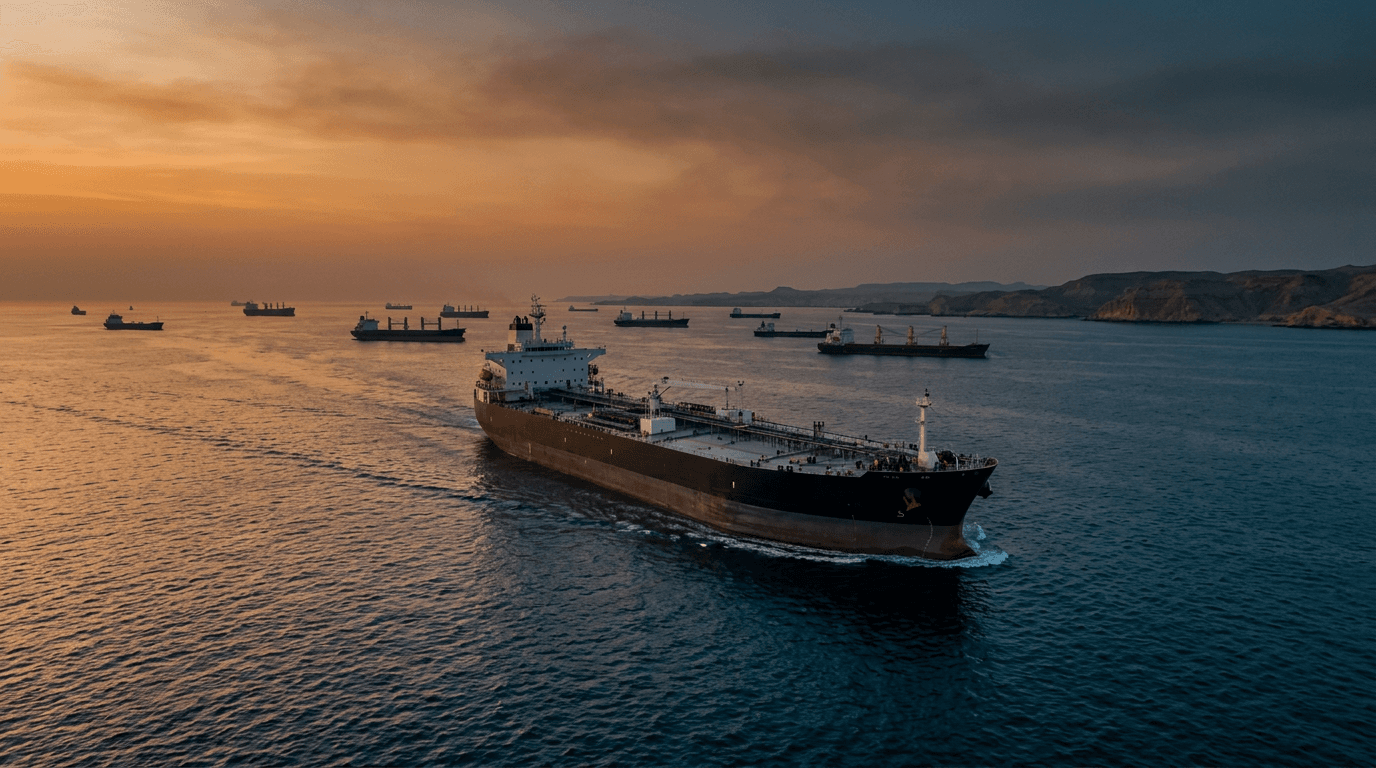
U.S. Central Command (CENTCOM) reported on Saturday that commercial shipping traffic through the Strait of Hormuz has increased, with 55 merchant vessels successfully transiting the waterway. The ships carried a combined cargo including more than 17 million barrels of oil to global markets, directly contradicting Iranian claims that the strategic passage had been closed.
The statement from CENTCOM highlights a significant volume of maritime activity in one of the world's most critical energy chokepoints. According to the military command, American forces remain present and vigilant in the region to support freedom of navigation and ensure that the safe passage of commercial goods continues without interruption. This surge in traffic follows a period of heightened tension and conflicting reports regarding the status of the strait.
Strategic Context and Verification
The reported transit of 55 ships in a single day represents a notable recovery in traffic levels. For context, earlier reports in mid-June indicated daily counts as low as 25 vessels. The current figures suggest that despite the Iranian government and IRGC's declarations of a closure, the maritime corridor remains operational under international and U.S. protection. CENTCOM emphasized that its forces are monitoring the area to ensure all aspects of existing agreements with Iran are maintained.
Analysis of Competing Claims
The situation remains a "Developing" story due to the sharp divergence between Iranian rhetoric and observed maritime data. While Tehran has utilized the threat of a blockade as a geopolitical lever, the physical movement of 17 million barrels of oil indicates that the blockade is not being enforced or is being effectively bypassed by U.S.-led security efforts. The Zioneer Intelligence Desk notes that the presence of American naval assets serves as the primary guarantor for commercial operators who might otherwise avoid the high-risk zone.
Outlook for Global Markets
The continued flow of energy resources through the Strait of Hormuz is vital for global price stability. As the U.S. and Iran navigate a complex diplomatic and security environment, the ability of merchant fleets to transit the strait serves as a real-time barometer of regional stability. Observers should watch for any Iranian attempts to harass individual vessels, which would test the "vigilance" promised by CENTCOM in today's briefing.
- The Zioneer Intelligence Desk
- Abu Ali Express: Suspect in Trump assassination plot arrested three days ago, found with hollow-point ammunition
- Shia-affiliated media report overnight explosions in Jebel Ali; sources assess Houthi missile launched toward UAE
- Overnight: Iran court sentences four Turkish-Azeri activists to combined 40 years
- IDF demolishes Hezbollah tunnel in Srebbine; Kfir, Kiryati brigades seize weapons caches