The Lead
U.S. Central Command (CENTCOM) announced Friday morning the completion of its 13th consecutive night of airstrikes against Iranian military targets. The operation focused on degrading the Islamic Revolutionary Guard Corps (IRGC) infrastructure, specifically targeting command centers, UAV storage facilities, and naval capabilities to reduce threats to commercial shipping in the Strait of Hormuz.
Sustained Pressure on IRGC Assets
The 13th wave of American strikes, which began late Thursday night, targeted a broad array of military installations across southern and western Iran. According to CENTCOM, the mission successfully hit military command centers, communication networks, and coastal surveillance sites. The primary objective remains the degradation of the Islamic Revolutionary Guard Corps (IRGC) and its ability to disrupt international maritime traffic. Reports from the region indicate that the strikes were particularly intense in the strategic hub of Ahvaz, where residents reported dozens of explosions. Other confirmed strike locations include the port of Bandar Abbas, Qeshm Island, Jask, Konarak, and Khorramabad.
Strategic Capabilities and Air Defenses
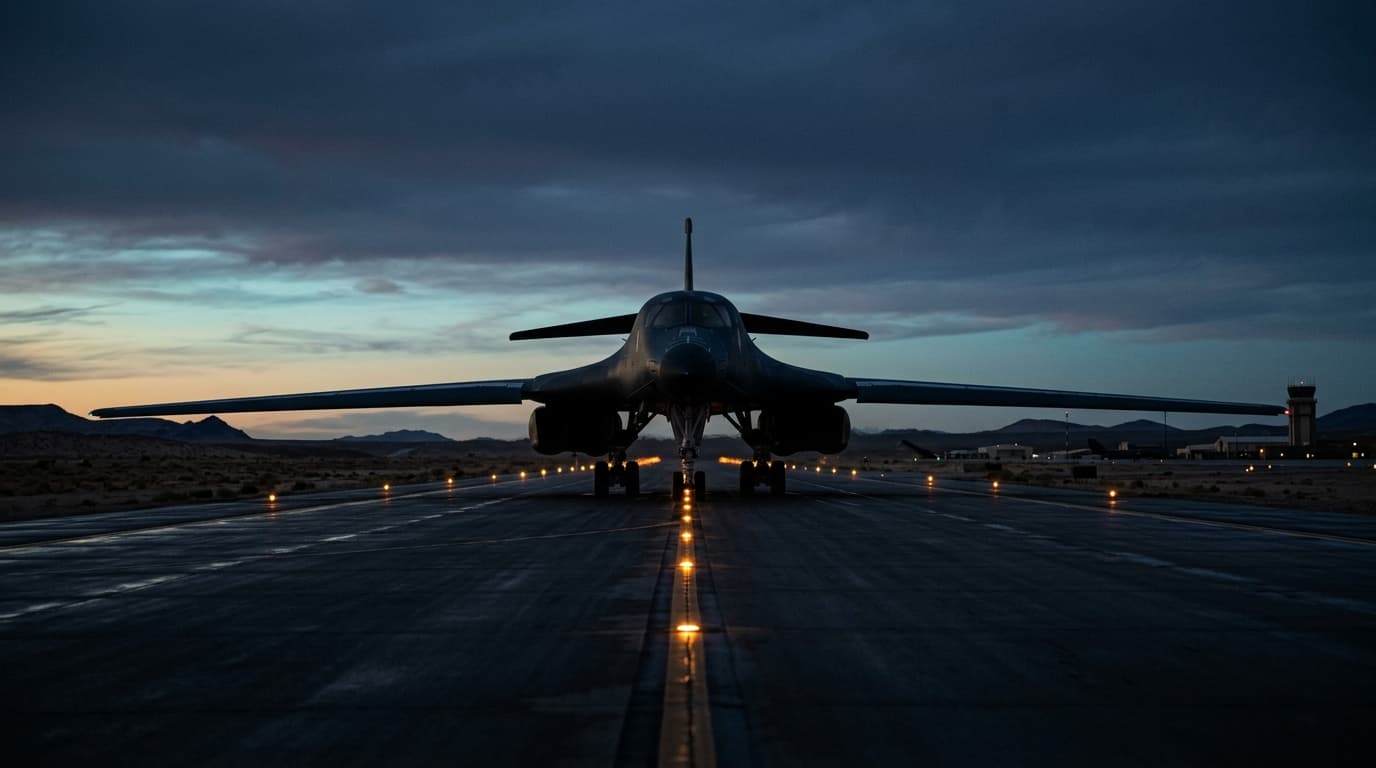
Security analyst Yair Goldblatt noted that the scale of this wave appeared exceptionally heavy, with reports suggesting the involvement of B-1 Lancer strategic bombers. While CENTCOM has not officially detailed the specific airframes used, the targeting of hardened UAV depots and naval assets aligns with a strategy of systematic attrition. In response to the bombardment, air defense systems were reportedly activated in Tehran, although no strikes were confirmed within the capital itself. Iranian-linked channels claimed to have hit a U.S. aircraft over Qeshm Island prior to the main wave, though these claims remain unverified and follow a pattern of unconfirmed Iranian reports regarding Western losses.
Regional Outlook
The ongoing campaign underscores the collapse of previous diplomatic frameworks and the transition to a direct kinetic confrontation. Despite the strikes, the U.S. military emphasized that the Strait of Hormuz remains open to commercial shipping, supported by the presence of over 50,000 U.S. service members currently deployed in the Middle East. As the operation enters its 14th day, the focus remains on whether the IRGC will attempt a significant retaliatory escalation or if the sustained degradation of its coastal and command infrastructure will force a shift in Tehran's maritime posture.
9 developments
- The Zioneer Intelligence Desk
- Iran threatens to strike Tel Aviv, close Bab el-Mandeb if Trump attacks, NYT reports
- US imposes new tariffs on 60 trading partners, including Israel, citing forced labor
- As if the earth swallowed him: Concern grows for missing 4-year-old Yuval Kogan
- Yedioth report accuses senior justice officials of torpedoing terrorist deportation law